Your digging level
Description
Grave wave is a modern, goth-leaning strain of darkwave and synth-driven post-punk that emerged in the early 2010s. It blends the icier textures of 1980s coldwave and minimal wave with pulsing drum machines, brooding basslines, and spectral vocals drenched in reverb.
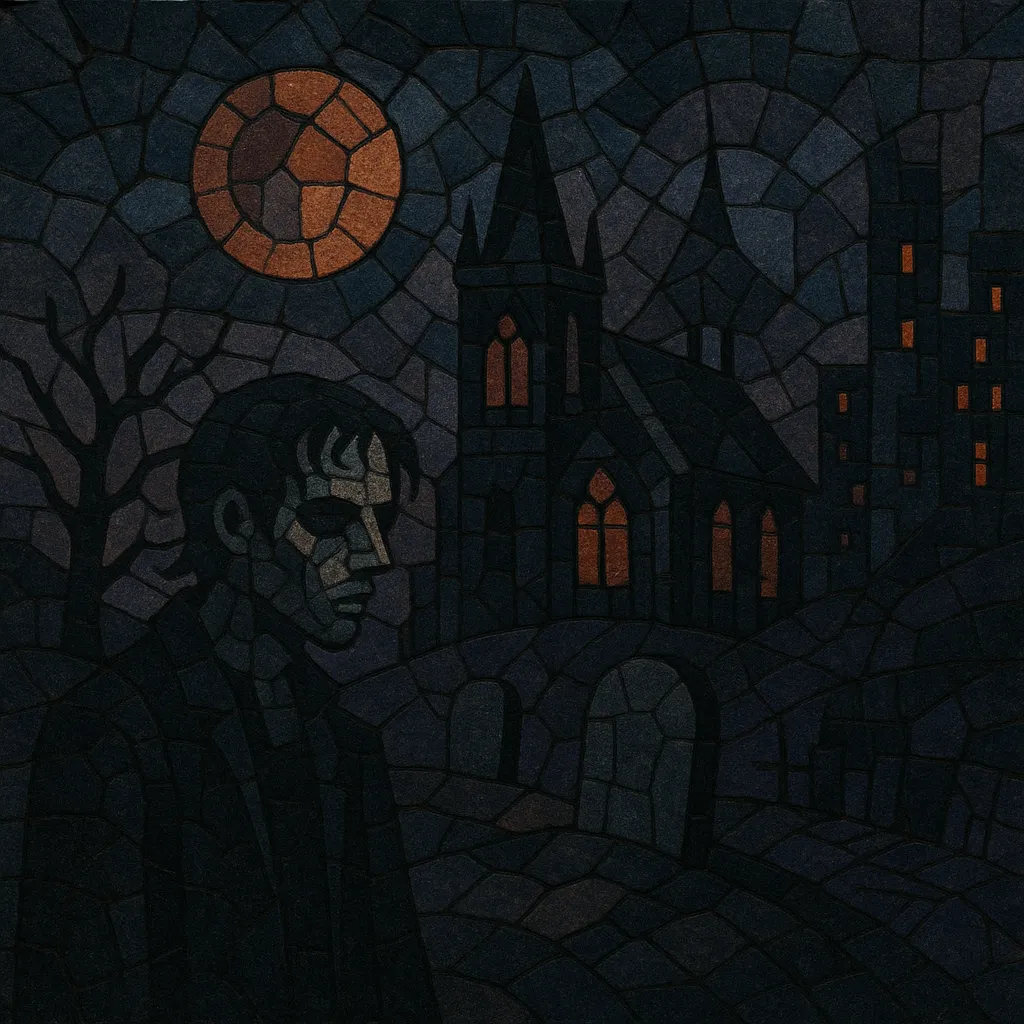
The style favors analog and retro-styled synthesizers, chorus-laden guitars, and tightly programmed rhythms that evoke nocturnal cityscapes, underground clubs, and cinematic horror aesthetics. Lyrically it leans toward themes of alienation, desire, memory, and the uncanny—often delivered in low, detached croons or ethereal whispers.
Sonically, grave wave sits between darkwave and synth-pop: more driving and danceable than pure coldwave, but more shadowy and melancholic than mainstream synth-pop. Its atmosphere is moody yet propulsive, making it equally at home on a dim dancefloor or in headphones on a late-night walk.
History
Grave wave took shape in the early 2010s as a generation of DIY artists revisited the darker edges of 1980s post-punk, coldwave, and minimal wave. Enabled by affordable analog-modeling hardware and DAWs, they fused skeletal drum-machine patterns, moody bass synths, and chorus-soaked guitars with a contemporary sense of space and low-end weight. The name itself nods to "chillwave" while signaling a graver, goth-forward temperament.
Independent labels and scenes in the United States (notably Los Angeles, New York, and the Bay Area) and across Europe helped the sound congeal. Visuals often drew on VHS-era horror, neon noir, and minimalist black-and-white photography. The stylistic DNA—darkwave’s atmosphere, coldwave’s minimalism, post-punk’s bass-forward hooks, and synth-pop’s pulse—gave grave wave both underground credibility and club utility.
As artists refined production, the genre’s defining traits crystallized: hypnotic drum programming, prominent melodic bass, icy pads, and intimate yet distant vocals. Touring circuits, boutique festivals, and online platforms amplified the sound, placing it alongside adjacent styles like witch house, minimal synth, and modern dark synthpop.
Grave wave remains a fertile, transatlantic micro-genre that bridges goth clubs and synth-pop audiences. Its influence is audible in darker shades of contemporary synthpop and in the resurgence of moody, minimal, and danceable post-punk aesthetics.

Top albums