Your digging level
Description
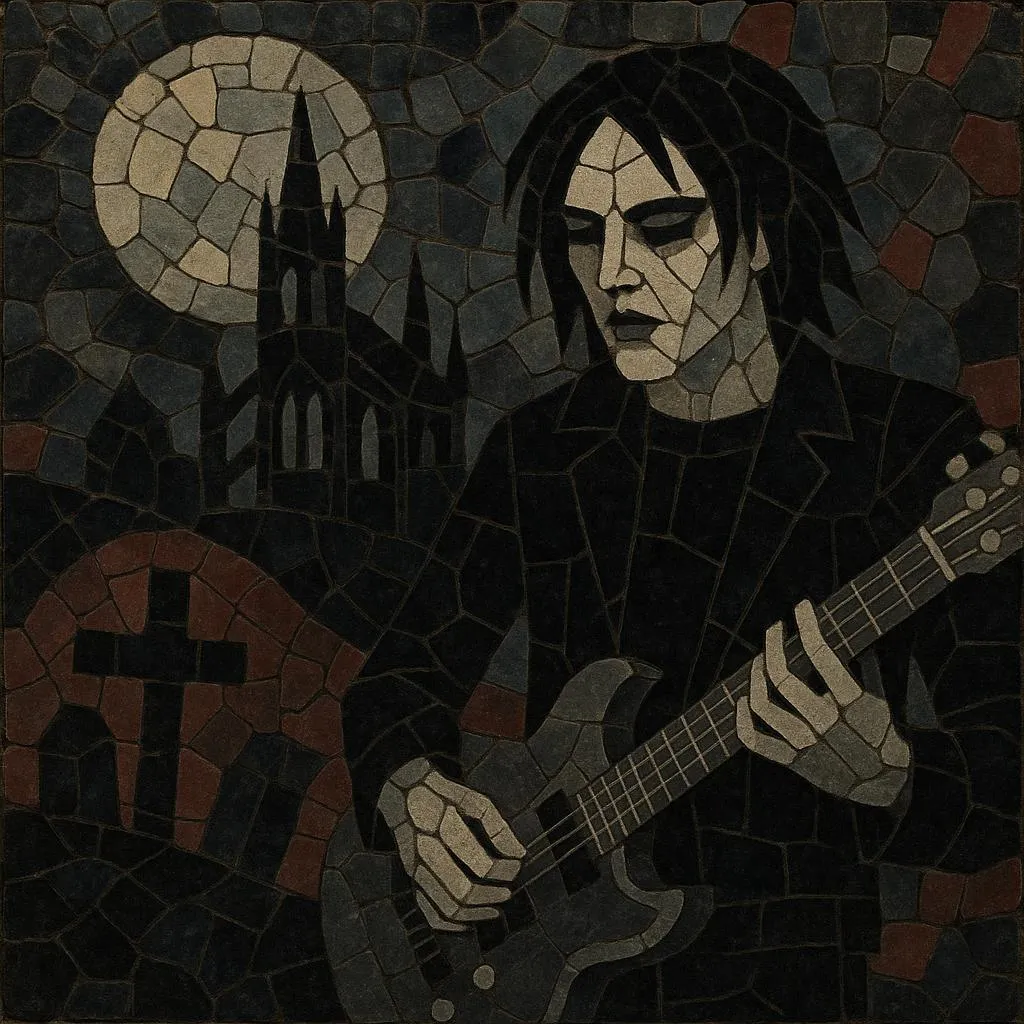
Modern darkwave is a contemporary revival and update of 1980s darkwave, post-punk, and goth-influenced synth music.
It typically blends moody, minor-key synth textures with rock-band attitude: pulsing electronic basslines, tight drum-machine grooves, and melodic vocals that range from detached and baritone to dramatic and reverbed.
Compared with classic darkwave, the “modern” strain often sounds cleaner and heavier at once: larger low end, brighter synth timbres, more club-ready mixing, and occasional cross-pollination with EBM, minimal wave, and dark pop aesthetics.

History
Modern darkwave draws its core vocabulary from post-punk and goth’s minimalist bass-and-drum urgency, plus the 1980s darkwave and synth-pop tradition of melancholic melody, reverb-heavy atmospheres, and nocturnal themes.
A new generation of artists revived these earlier sounds with contemporary production: louder sub-bass, tighter transient shaping on drums, and more polished vocal processing.
This period also reconnected darkwave to club culture, with DJ-friendly tempos and arrangements that favor steady, hypnotic momentum.
Modern darkwave now exists as an international scene spanning underground clubs, goth festivals, and streaming-era micro-communities.
It commonly intersects with modern synthpop, dark pop, and lighter EBM, while retaining a strong visual and cultural linkage to goth aesthetics and post-punk performance energy.





Top albums