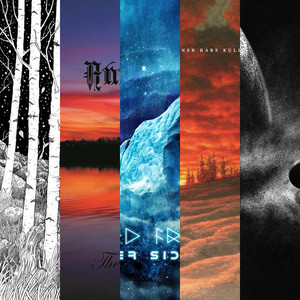
Your digging level
Description
Instrumental black metal is a vocal‑free offshoot of black metal that preserves the genre’s tremolo-picked guitar textures, icy harmonies, blast‑beat propulsion, and windswept atmosphere while removing harsh vocals to foreground mood, melody, and sound design.
Without shrieks or growls, the music leans toward expansive, cinematic forms: long crescendos, layered guitars that shimmer or blur, and rhythm sections that oscillate between relentless blasts and meditative, mid‑tempo surges. Many projects hybridize black metal’s harmonic language with ambient drones, post‑rock dynamics, field recordings, and synth pads, yielding a widescreen, nature‑evoking sound that can feel both frigid and luminous.
The result is a style that invites immersive listening—equal parts feral and reflective—where timbre, space, and arrangement carry the emotional narrative usually handled by vocals.
History
Instrumental black metal grows out of the second‑wave black metal tradition of the early 1990s, especially the Scandinavian scene that established the genre’s harmonic vocabulary (modal, often minor with added seconds and dissonances), tremolo picking, and blast‑beat intensity. Early atmospheric and ambient integrations within black metal hinted that vocals were not strictly necessary for the style’s core affect.
In the 2000s, a wave of atmospheric and post‑leaning black metal acts began issuing fully (or largely) instrumental releases. The decision to omit vocals was both aesthetic (to heighten immersion and texture) and practical (solo studio projects focusing on composition and soundscapes). Synthesizers, field recordings (wind, rain, forests), and spacious production helped codify a sound that could read as simultaneously raw and cinematic.
Through the 2010s, instrumental black metal diversified globally. Artists folded in post‑rock’s quiet‑loud arcs, dark ambient’s drones, and blackgaze’s textural haze. The style flourished as a studio‑driven form, often by multi‑instrumentalists, and became common on split releases and EPs. Today it remains a niche but recognizable stream within atmospheric and post‑black metal circles, prized for its transportive, lyric‑free storytelling.
The genre spans two production poles: (1) lo‑fi, frostbitten recordings that foreground grainy guitar over cymbal‑washed drums, and (2) hi‑fi, expansive mixes with layered guitars, deep low‑end, and wide stereo fields. In both, the lack of vocals leaves more frequency and spatial headroom for guitars, synths, and environmental sounds to shape the narrative arc.
-
•
Sketch modal motifs and pedal points.
•Arrange textural layers (clean vs. distorted guitars, pads, field recordings) to map a narrative arc.
•Program or track drums to trace energy contours (blast—groove—silence).
•Refine transitions with swells, cymbal washes, and sub‑drops.
•Mix for immersion: balance density with clarity so the absence of vocals feels intentional and expressive.