Your digging level
Description
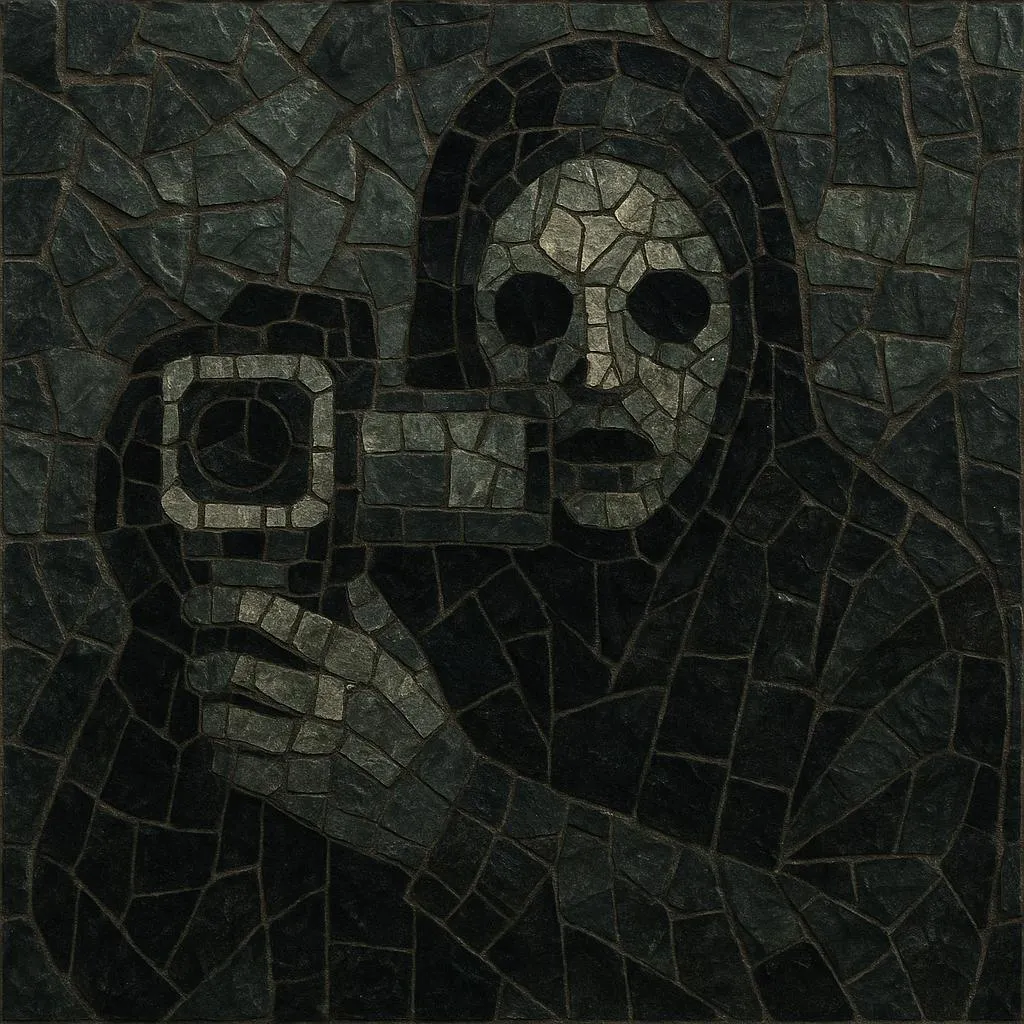
Found footage horror is a horror subgenre built around the conceit that what the audience is seeing (and hearing) was recorded by the characters themselves on consumer equipment. Musically, this yields a distinctive "anti-score": long stretches of room tone, mic clipping, tape hiss, HVAC hums, and environmental noises replace traditional cues. When non‑diegetic music appears at all, it is sparse—often low drones, sub‑bass rumbles, metallic scrapes, or degraded cassette/VHS textures that feel like artifacts inside the fiction rather than an external soundtrack.
Because the camera is usually handheld and the audio is captured "on the mic," the sonic language overlaps with dark ambient and electroacoustic practice: reality-based sound, abrupt dynamic jumps, silence-as-tension, and found sounds processed into dread. Iconic examples (from Cannibal Holocaust to The Blair Witch Project, Paranormal Activity, REC, Cloverfield, and Host) codified a palette where sound design carries the horror as much as music does.

History