Your digging level

For this genre
0/8
🏆
Sign in, then listen to this genre to level up

Description

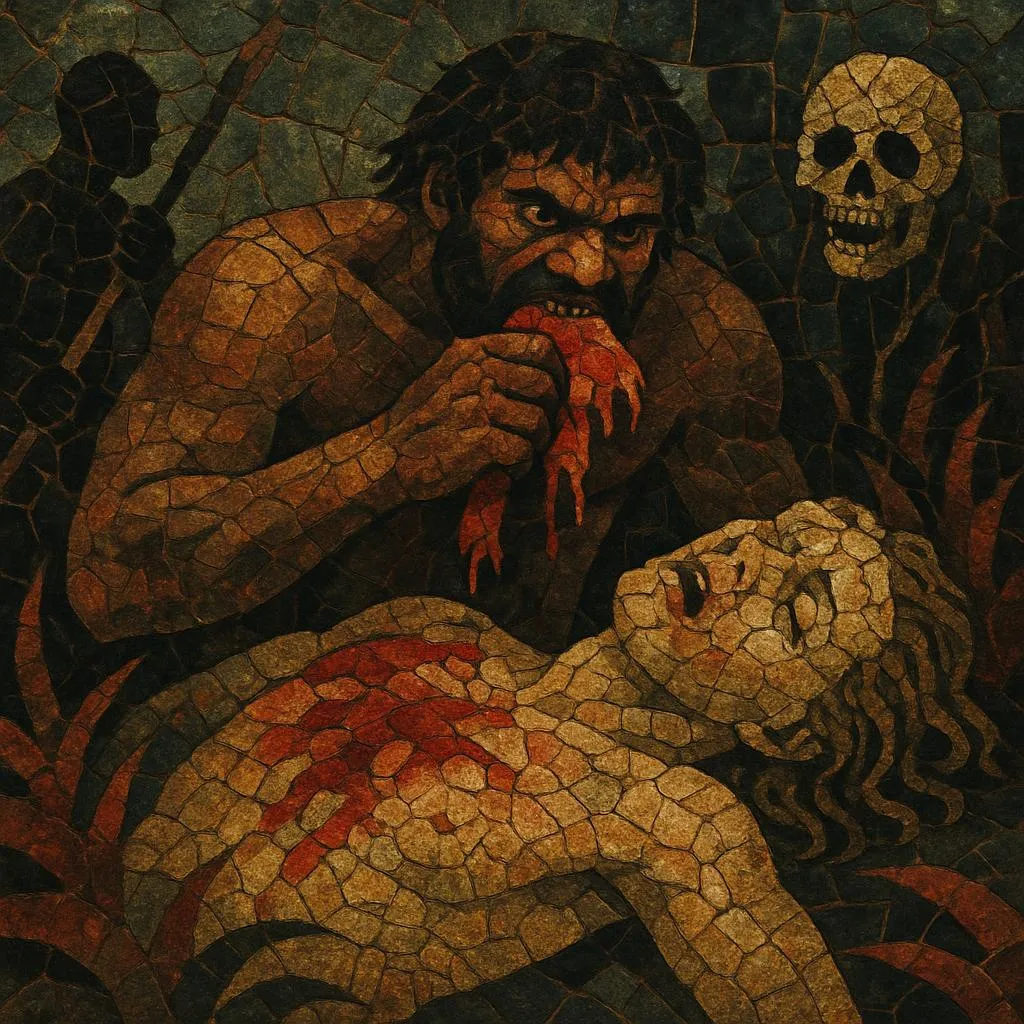
Cannibal is a niche soundtrack-anchored genre tag tied to the Italian “cannibal” exploitation film cycle that peaked from the mid‑1970s to early 1980s. Musically, it blends lush European library/easy‑listening orchestration, prog‑rock rhythm sections, jazz/funk instrumentation, and so‑called “tribal” percussion and flutes, set against dark, suspenseful harmonic beds.

Its aesthetic aims for high shock value consistent with the films’ violent and transgressive subject matter, juxtaposing deceptively beautiful themes with dread, ambient dissonance, and percussive ritual cues. Contemporary dark electronic and extreme metal acts sometimes reference this palette to evoke jungle survivalism, taboo, and visceral tension.


Sources: Spotify, Wikipedia, Discogs, RYM, MB, user feedback and other online sources

History

Origins (1970s)

The cannibal cycle took shape in Italy in the mid‑1970s, part of a broader wave of exploitation cinema that sought maximum shock value through graphic violence and taboo themes. Composers steeped in Italian library music, jazz, and progressive rock were tapped to score these films, crafting music that could pivot from pastoral beauty to terror within a cue.

Aesthetic and Scoring Practices

Scores typically combined memorable, almost pop‑like main themes with darker, textural underscoring. Acoustic guitars, strings, woodwinds, and mellotrons coexisted with electric bass vamps, drum kits, ethnic hand percussion, and wordless vocals. The contrast between lyrical themes and grim suspense music became a defining hallmark.

Peak and Controversy (late 1970s–early 1980s)

High‑profile titles—most famously Cannibal Holocaust (1980) and Cannibal Ferox (1981)—cemented the sonic template: bittersweet melodies against oppressive drones, jungle ambience, and ritual percussion. The films’ notoriety propelled the soundtracks into cult status for collectors, even as the movies drew criticism for sensationalism and ethics.

Reappraisal and Influence (1990s–present)

With the soundtrack renaissance of the 1990s–2000s, reissues and crate‑digging elevated these scores alongside giallo and zombie film music. Elements of the cannibal palette informed dark ambient, witch‑house, dungeon synth, and the atmospherics of extreme metal, while neoproggish and synth‑centric artists referenced its tension between beauty and brutality.

How to make a track in this genre

Core Palette
•   Combine a lyrical, memorable main theme (acoustic guitar, strings, flute, or synth/mellotron) with darker underscore cues built from drones, low strings, and bowed metals. •   Use a small rock rhythm section (electric bass, drum kit, congas/bongos/shakers) alongside orchestral colors and woodwinds for a hybrid library‑music feel.
Harmony & Melody
•   Alternate consonant diatonic themes (often in minor) with chromatic clusters, pedal‑point tension, and modal touches (Aeolian/Phrygian). •   Lean on half‑step shifts, tritone relationships, and ostinati that slowly accrete dissonant layers beneath a pretty tune.
Rhythm & Groove
•   For “expedition/jungle” cues, use tom‑led patterns, hand percussion, and 6/8 or 12/8 ostinati; for suspense, thin the groove to heartbeat‑like pulses. •   Interleave library‑funk vamps (70–100 BPM) with rubato ambient passages for contrast.
Form & Motifs
•   Establish a main theme, then present darker “ritual” and “pursuit” motifs; reprise the theme in a stripped or minor‑inflected variant to heighten irony. •   Employ diegetic textures (rain, insects, distant calls) as musical layers or rhythmic punctuation.
Production & Texture
•   Favor analog warmth: tape saturation, spring reverb, plate reverb on flutes/voices, and subtle tape delay on percussion. •   Foley/field recordings (forest ambiences) can glue cues into a unified sound world without overpowering harmony.
Ethical/Context Note
•   The historical films pursued shock through violent and taboo imagery. Modern homages can evoke the sonic language—contrast, tension, nature textures—without replicating exploitative tropes, focusing instead on survival, awe, and environmental atmospheres.

Top tracks

Locked
Share your favorite track to unlock other users’ top tracks

Upcoming concerts

in this genre
Influenced by
Has influenced

Download our mobile app

Get the Melodigging app and start digging for new genres on the go
© 2026 Melodigging
Melodding was created as a tribute to Every Noise at Once, which inspired us to help curious minds keep digging into music's ever-evolving genres.
Buy me a coffee for Melodigging