Your digging level

For this genre
0/8
🏆
Sign in, then listen to this genre to level up

Description

Raw black metal is a deliberately lo‑fi, abrasive substyle of black metal that emphasizes hostile timbres, primitive riffing, and minimal production aesthetics. Its sound foregrounds scathing high‑gain guitars, frenetic or caveman‑simple drumming, and caustic shrieks buried in murky mixes.

The production is typically tape‑saturated, hissy, and under‑EQ’d, favoring immediacy and atmosphere over fidelity. Songs oscillate between relentless tremolo-driven blasts and hypnotic, mid‑tempo dirges. The aesthetic—sonically and visually—embraces DIY ethics, underground tape-trading culture, and a stark, misanthropic mood.


Sources: Spotify, Wikipedia, Discogs, Rate Your Music, MusicBrainz, and other online sources

History

Origins (early–mid 1990s)

Raw black metal coalesced during the second wave of black metal in Norway and adjacent European scenes. Building on the first wave’s chaotic extremity and thrash/death’s speed and aggression, bands embraced purposefully crude recording methods: 4‑tracking, rehearsal‑room mics, and tape saturation. The approach was a reaction against polish, elevating aura and hostility over clarity.

Tape Culture and Global Spread (late 1990s–2000s)

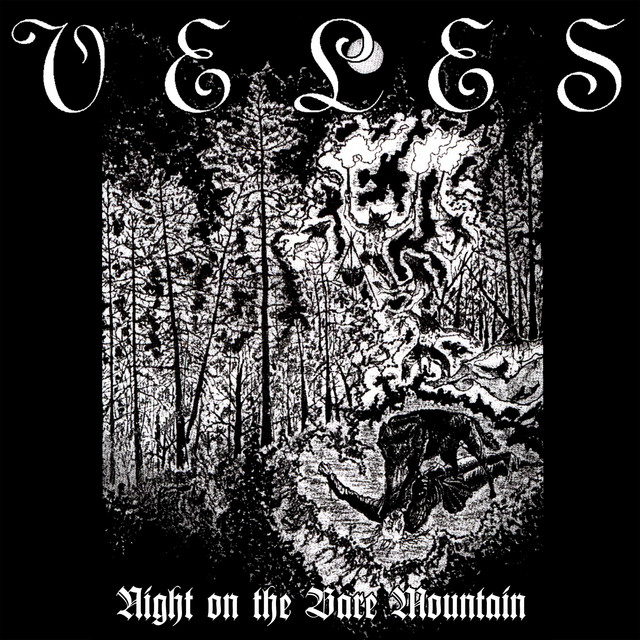
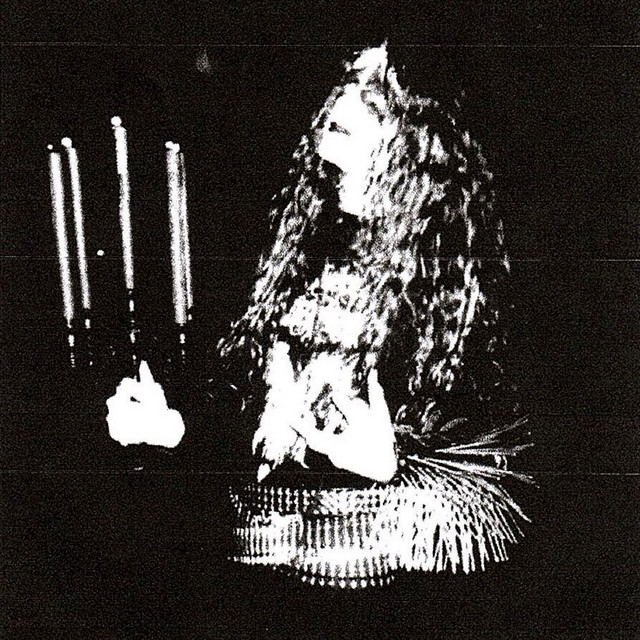
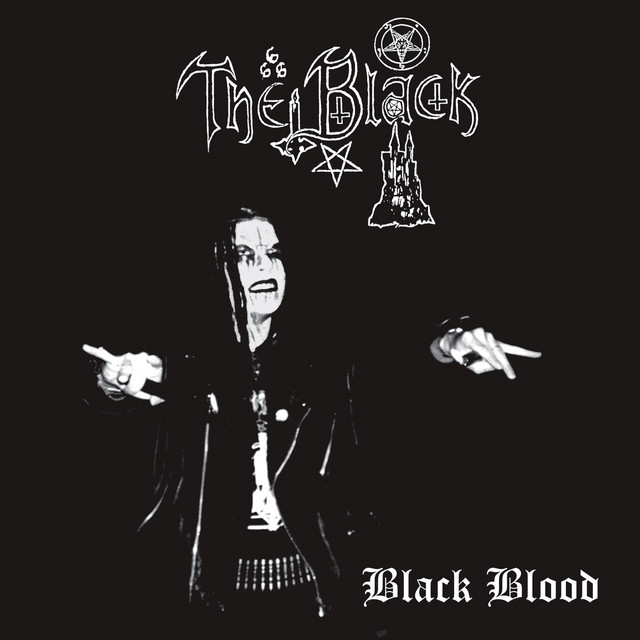
As underground tape trading and small labels proliferated, the raw aesthetic spread across Europe and North America. Projects often operated solo, recording at home or in rehearsal spaces, keeping costs low and creative control high. This period cemented the genre’s defining production values—clipping cymbals, smeared guitars, low vocal placement—and its cult visual language (photocopied covers, monochrome design).

Persistence and Renewal (2010s–present)

A new wave of artists fused the raw template with atmospheric, folk, or punk impulses while retaining the abrasive core. Digital distribution paradoxically strengthened the lo‑fi ethos by making intentionally degraded sonics a conscious choice rather than a budget constraint. Today, raw black metal remains a vital underground current, prized for its intensity, trance‑like repetition, and anti‑gloss stance.
How to make a track in this genre

Core Sound and Production
•   Record with intentional lo‑fi methods: limited mic setups, minimal overdubs, and light or no mastering. Embrace tape hiss, saturation, and room bleed. •   Keep mixes guitar‑forward and abrasive: narrow EQ, high mids, and moderate-to-high gain with tremolo picking.
Riffs, Harmony, and Structure
•   Use tremolo‑picked minor-key motifs, parallel motion, and modal color (natural minor, Phrygian, occasional dissonant seconds). •   Favor repetition and long-form cycles (6–10 minute tracks) to induce a trance‑like state. •   Insert primitive, chant‑like chord drones or single‑note pedals to anchor blast sections.
Rhythm and Drums
•   Alternate between blasting (blast beats or D‑beats at 180–230 BPM) and stomping mid‑tempo 4/4. •   Keep fills sparse and raw; let cymbals wash and clip slightly for a corrosive sheen.
Vocals and Lyrics
•   Employ high, rasped shrieks, mixed low or partially buried for atmosphere. •   Themes: misanthropy, nature’s harshness, occultism, and bleak introspection. Avoid verbosity—use stark imagery and refrain-like lines.
Arrangement and Aesthetics
•   Limit layers: two guitar tracks, bass doubling root motion, single vocal line. •   Artwork and presentation: monochrome, minimal, DIY—reflecting the music’s austerity.

Top tracks

Locked
Share your favorite track to unlock other users’ top tracks
Has influenced
Challenges
Digger Battle
Let's see who can find the best track in this genre

Download our mobile app

Get the Melodigging app and start digging for new genres on the go
© 2026 Melodigging
Melodding was created as a tribute to Every Noise at Once, which inspired us to help curious minds keep digging into music's ever-evolving genres.
Buy me a coffee for Melodigging