Your digging level
Description
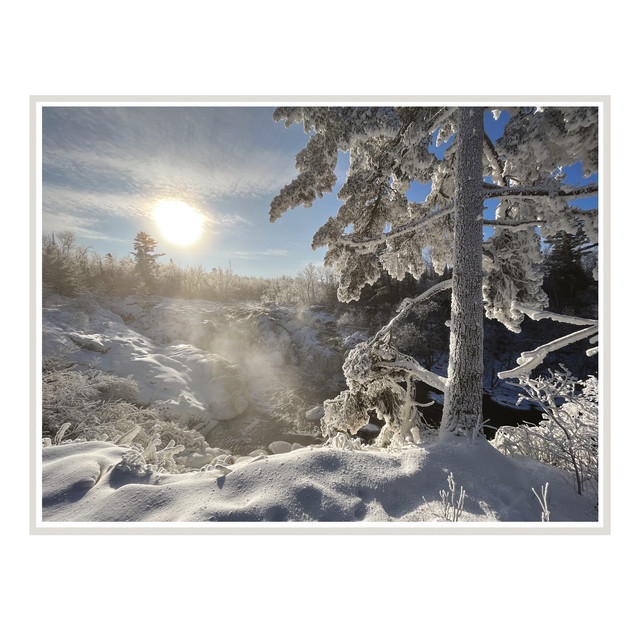
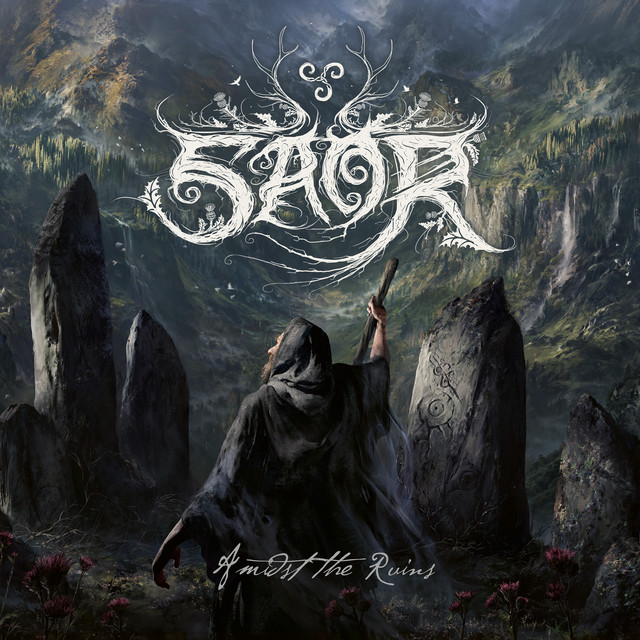
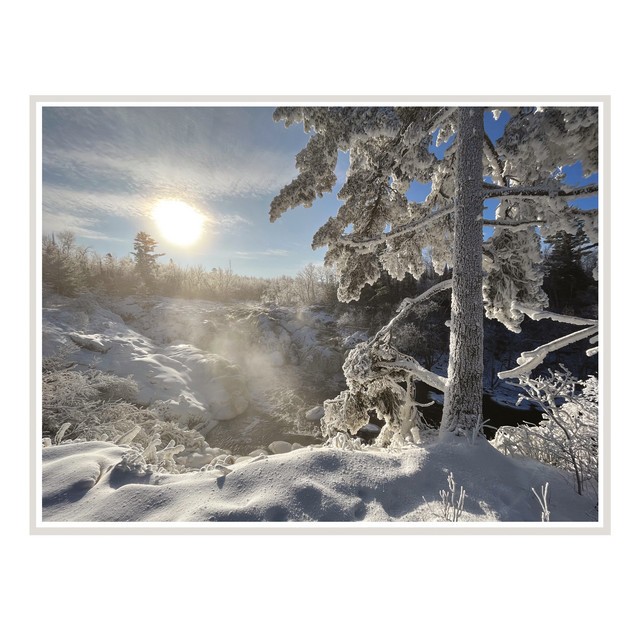
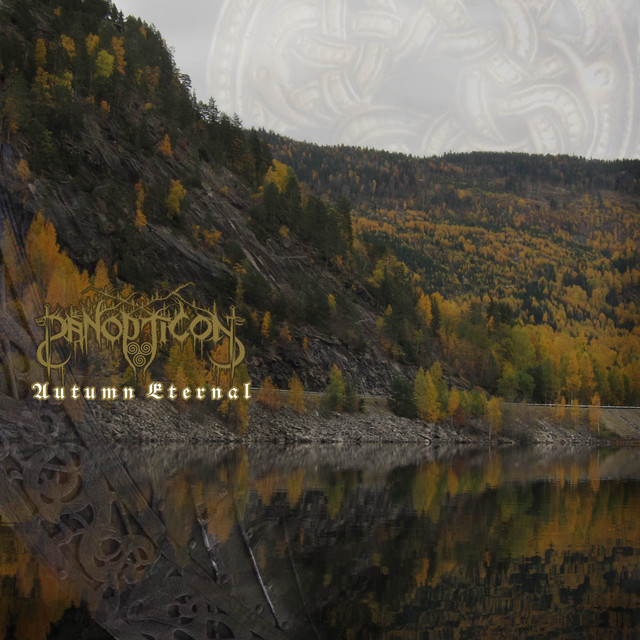
Forest black metal is a nature-immersive offshoot of black metal that emphasizes atmosphere, spaciousness, and “woodland” imagery.
Musically it retains black metal’s icy tremolo-picked riffs and blast beats, but it leans more heavily on melodic repetition, layered ambience, and long-form song structures that evoke forests, mist, winter landscapes, and pagan or folkloric themes.
Compared to more orthodox or aggressive black metal, forest black metal often feels less urban and more panoramic, using synth pads, field-recording-like textures, and reverberant production to create the sense of being surrounded by trees and wind.
History
Forest black metal grows out of the 1990s Scandinavian black metal explosion, especially the atmospheric and pagan-leaning strands that prioritized mood and landscape over pure shock value.
Key early blueprints came from bands that wrote long, repetitive, hypnotic pieces with strong melodic identity and overt nature/pagan aesthetics.
In the 2000s, a wave of projects—particularly in Northern and Eastern Europe—leaned harder into “forest” iconography and expanded the sound with thicker ambient layers, more prominent keyboards, and cleaner, wider mixes.
At the same time, internet-based tape trading and small labels helped unify the idea of nature-focused atmospheric black metal into a recognizable niche.
From the 2010s onward, forest black metal increasingly overlaps with broader atmospheric black metal and post-black metal audiences, while still maintaining its distinct thematic fixation on wilderness.
Modern releases frequently incorporate higher-fidelity ambience, occasional folk instrumentation, and more explicit sound-design elements (wind, birds, distant thunder) while keeping the core black metal riff language intact.
Write tremolo-picked riffs that repeat and evolve gradually; repetition is a feature, not a flaw, because it creates trance-like immersion.
•Favor minor keys, modal colors (especially natural minor, Dorian, and Phrygian flavors), and simple harmonic movement.
•Build long arcs (6–12 minutes is common):
•Establish a primary motif.
•Introduce a counter-melody or harmony line.
•Expand into an atmospheric bridge (clean guitar/synth/drone).
•Return to the main motif with intensified drumming or a thicker guitar stack.