Your digging level

For this genre
0/8
🏆
Sign in, then listen to this genre to level up

Description

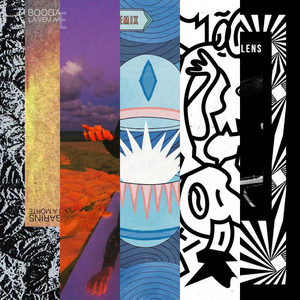
Neo-psicodelia brasileira (Brazilian neo-psychedelia) is a contemporary wave of Brazilian artists who revive and reinvent classic 1960s/70s psychedelic aesthetics through today’s indie-rock, dream-pop, shoegaze, and experimental production.

Marked by shimmering guitars drenched in reverb and fuzz, hypnotic grooves that often nod to Brazilian rhythmic DNA (from Tropicália’s eclecticism to samba, baião, and maracatu pulses), and kaleidoscopic synth textures, the style pairs vintage tones with modern bedroom-studio craft. Portuguese lyrics frequently blend surreal imagery with everyday urban poetics, creating a sound that is at once nostalgic and forward-looking.

This scene flourished around DIY venues, independent labels, and digital communities across Brazil, with a particularly strong footprint in cities like São Paulo, Goiânia, Belo Horizonte, and Recife. The result is a colorful, exploratory ecosystem that treats psychedelia not as pure retro revival but as a living vocabulary.


Sources: Spotify, Wikipedia, Discogs, RYM, MB, user feedback and other online sources

History

Roots (1960s–1990s)

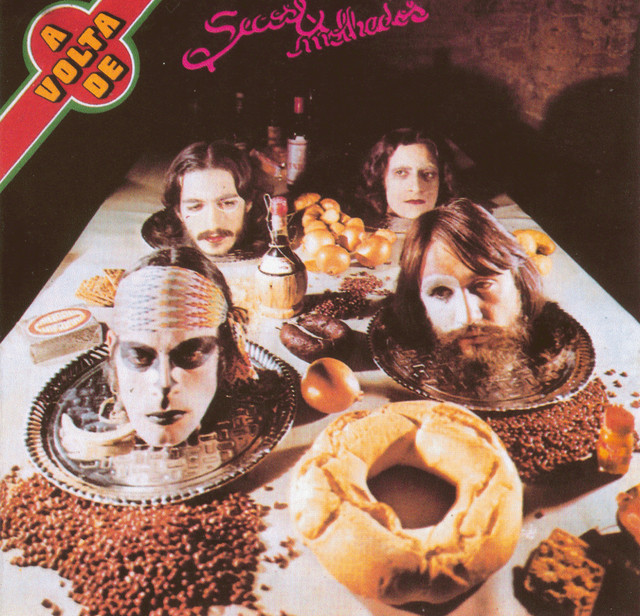
Brazil’s original psychedelic spark came via Tropicália in the late 1960s, when artists folded garage rock, psychedelia, and avant-garde ideas into MPB and Brazilian rhythms. Despite political repression, the experimental ethos left a lasting imprint. Through the 1990s, cult figures in the South and Southeast revisited psychedelic rock in Portuguese, laying quiet foundations for a future resurgence.

Precursors and the Blog/DIY Era (2000s)

With affordable recording gear and the rise of blogs and netlabels, Brazilian indie networks embraced lo-fi experimentation. Bands mixed lush guitar pedals, tape-like saturation, and analog synths with regional grooves. This period normalized self-produced psychedelia in Portuguese and English, connecting local scenes to global neo-psych and shoegaze revivals.

Consolidation and Expansion (2010s)

The 2010s crystallized neo-psicodelia brasileira as a recognizably modern movement. Independent labels, festivals, and touring circuits fostered cross-pollination among scenes (SP, Goiânia, BH, Recife). Artists adopted both hi-fi and lo-fi aesthetics: shimmering dream-pop, motorik-tinged jams, fuzzed-out garage-psych, and ambient-leaning textures all coexisted. Streaming platforms helped export the sound, while collaborations with visual artists and producers sharpened its identity.

Diversification and Global Visibility (2020s)

The 2020s brought deeper production sophistication and stylistic breadth—more synth-forward dreamscapes, krautrock-inspired repetition, and psych-pop with dancefloor sensibility. Even as artists embrace modular synths and granular effects, the Brazilian core—melodic warmth, rhythmic elasticity, and poetic Portuguese—remains intact, situating the scene as a vital South American voice in global neo-psychedelia.

How to make a track in this genre

Core Sound Palette
•   Guitars: Combine clean, chorus-tinged arpeggios with fuzzed leads; employ tremolo, vibrato, spring reverb, tape echo, and slow phaser/flanger sweeps. •   Synths/Keys: Warm analog pads, Mellotron- or organ-like timbres, and simple arpeggiators to build a hazy bed. •   Bass & Drums: Round, melodic basslines; drums sit slightly behind the beat with roomy overheads and gentle saturation.
Harmony & Melody
•   Favor modal colors (Mixolydian, Dorian, Lydian) and extended chords (maj7, add9, sus2/4) over diatonic triads. •   Embrace chromatic voice-leading and borrowed chords for dreamlike detours; use melodic hooks that feel sung yet fluid.
Rhythm & Groove (Brazilian DNA)
•   Start with straight indie/psych backbeats (85–120 BPM), then layer Brazilian swing: subtle samba ghost notes on snare, maracatu accents on low drum, or baião-like syncopation in the bass. •   Consider motorik/kraut pulses for sections that require trance-like propulsion.
Arrangement & Texture
•   Build in layers: clean arpeggio + pad + counter-melody + reverb trails. Introduce and release density to simulate a psychedelic “breathing” mix. •   Contrast A/B sections: fuzzy, overdriven choruses vs. spacious, pastel verses; include instrumental codas or ambient interludes.
Production Moves
•   Soft-saturation on buses (tape emulation), slapback or plate reverbs on vocals, occasional reverse reverb swells and tape-stop moments. •   Double-track vocals for width; use gentle wow/flutter, filter sweeps, and ping-pong delays for motion.
Lyrics & Vocal Delivery
•   Portuguese (often) with surreal, imagistic lines balanced by concrete everyday scenes; themes of inner life, memory, nature, city drift. •   Intimate, airy vocal tone; close miking with light compression to nestle the voice within the haze.
Song Forms & Progressions (Examples)
•   Cyclical vamps (e.g., I–IV–V with modal color) or neo-psych clichés like I–♭VII–IV for a rolling, anthemic feel. •   Bridges that pivot with borrowed chords or key modulations to heighten the psych lift.
Live & Performance
•   Pedal choreography (reverb/echo swells into fuzz peaks), long outros for hypnotic jams, immersive lights or projections to extend the psychedelic narrative.

Main artists

Top tracks

Locked
Share your favorite track to unlock other users’ top tracks

Upcoming concerts

in this genre
Influenced by

Download our mobile app

Get the Melodigging app and start digging for new genres on the go
© 2026 Melodigging
Melodding was created as a tribute to Every Noise at Once, which inspired us to help curious minds keep digging into music's ever-evolving genres.
Buy me a coffee for Melodigging