Your digging level

For this genre
0/8
🏆
Sign in, then listen to this genre to level up

Description

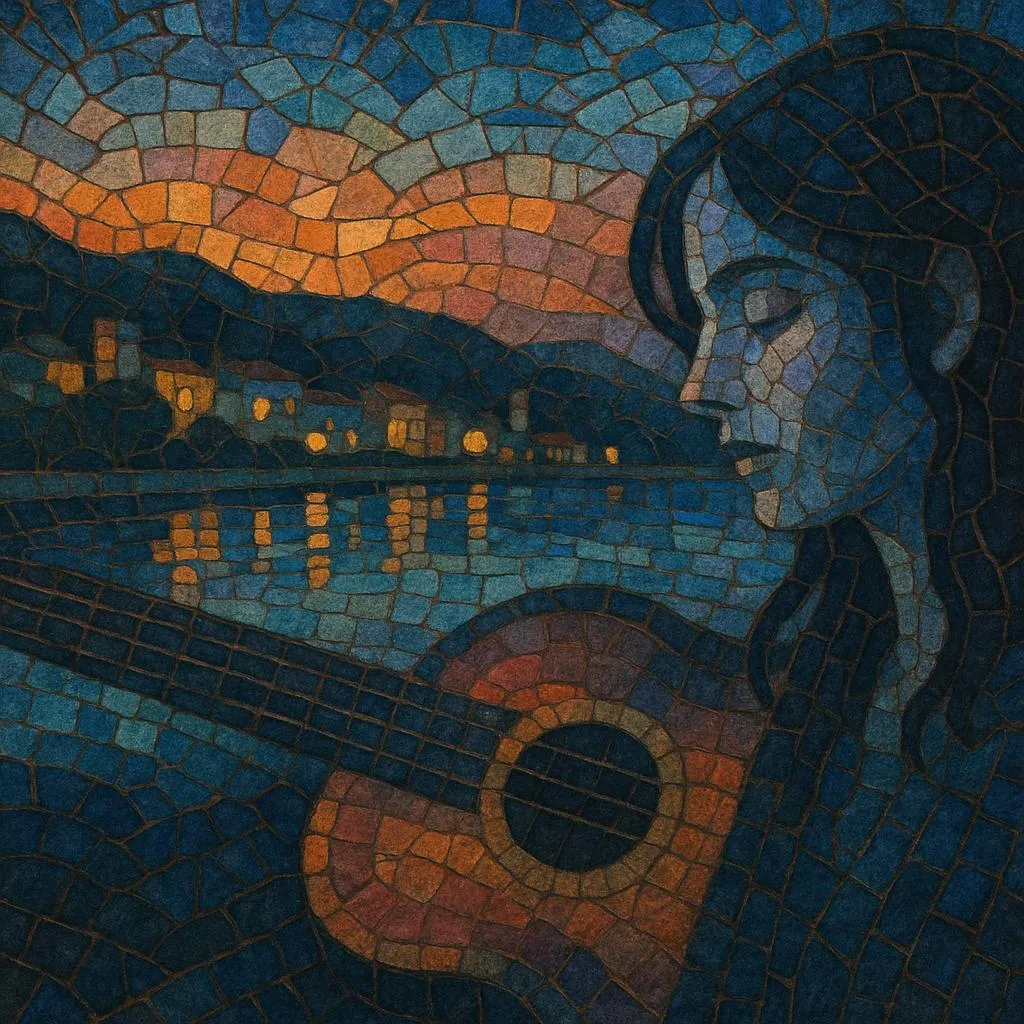
Italogaze is the Italian school of shoegaze and dream‑pop: a haze of saturated guitars, breathy vocals, and melodic bass lines, filtered through Italy’s post‑punk/new‑wave heritage and a taste for cinematic atmosphere.

Compared with Anglo‑American shoegaze, italogaze often leans on minimalist, motorik‑adjacent grooves, clear melodic motifs (sometimes even folk‑tinged), and production that balances noise and negative space. Lyrics appear in English or Italian, with a wistful, nocturnal tone. The result is music that feels simultaneously airy and tactile: reverb‑washed walls of sound that still foreground melody.


Sources: Spotify, Wikipedia, Discogs, RYM, MB, user feedback and other online sources

History

Roots (1980s–2000s)

Italy’s thriving post‑punk and new‑wave scenes of the 1980s laid conceptual foundations for italogaze: a taste for chorus‑drenched guitars, drum‑machine steadiness, and somber romanticism. Through the 1990s and 2000s, Italian alternative and indie circles absorbed UK/US shoegaze and dream‑pop records, experimenting with dense textures and ambient‑leaning production but without a coherent, named local micro‑movement.

Emergence of a Scene (2010s)

In the early 2010s, a noticeable cluster of Italian bands began foregrounding layered, fuzz‑and‑reverb guitar sound design with melodically forward bass parts and soft, nearly whispered vocals. Small DIY labels, cassette culture, and Bandcamp tags helped knit scattered acts into a recognizable network, while Northern and Adriatic hubs (e.g., Emilia‑Romagna, Veneto, Marche, Lombardy) fostered cross‑pollination with post‑punk revival, psych, and darkwave.

Consolidation and Aesthetic Signatures (late 2010s–2020s)

The term “italogaze” gained currency online as listeners and artists marked a distinctly Italian approach: shoegaze density tempered by clarity of motif, a cinematic sense of space, and occasional Italian‑language lyricism. Tours with European psych/shoegaze circuits, festival slots, and international press cemented the style’s visibility. Production aesthetics broadened—from lo‑fi tape haze to high‑definition drones—while the core ingredients (melodic bass, textural guitars, understated vocals) remained consistent.

Present Day

Italogaze continues to evolve at the intersection of psych‑rock, post‑punk, and ambient pop. New acts mix analog pedals with modern DSP, flirt with motorik rhythms, or fold in field recordings, yet the genre’s hallmark balance of shimmer and shadow—melody within noise—persists.

How to make a track in this genre

Sound Palette and Gear
•   Build layers: two to four guitar tracks with complementary textures—one wide, cloud‑like pad (reverse reverb + chorus), one mid‑gain fuzz for body, one bright, delay‑dotted line for melodic hooks. •   Pedals and treatments: plate/room reverbs (pre‑delay 20–40 ms), analog and reverse delays (quarter and dotted‑eighth), light chorus/vibrato, tremolo for pulses, and fuzz/overdrive with gentle high‑shelf roll‑off to avoid harshness. •   Bass is melodic and forward in the mix; use a slightly overdriven tone for sustain and singable counter‑melodies.
Harmony and Melody
•   Favor diatonic major/minor with suspended tones (add2/add9, sus2/sus4) and modal color (Dorian/Aeolian). Common moves: I–V–vi–IV, i–VI–III–VII, or droning pedal tones under shifting triads. •   Write short, memorable melodic cells that can peep through the haze; double with a higher‑register guitar or synth for emphasis.
Rhythm and Groove
•   Mid‑tempo (≈70–120 BPM). Use steady, hypnotic patterns—4‑on‑the‑floor kicks or motorik‑inspired grooves with sparse fills. •   Keep cymbals and percussion diffuse (ride/hi‑hat washes) to sustain the “fog,” but anchor the low end tightly to support the bass melodies.
Vocals and Lyrics
•   Delivery: intimate, breathy, and blended into the mix; consider double‑tracking and gentle saturation. Place vocals a little behind the guitars with shared ambience for cohesion. •   Themes: memory, distance, nocturnal cityscapes, fragmented love. If using Italian, lean into natural prosody and assonance; mix English and Italian when a phrase’s sound serves the mood.
Arrangement and Production
•   Think in planes: foreground (hook guitar/bass motif), middle (pads/noise beds), background (long‑tail reverbs/delays). Automate swells and feedback to shape crescendos. •   EQ carving: high‑pass most guitars (~60–90 Hz), gentle 2–4 kHz de‑emphasis on harsh layers, and a smooth top‑end roll‑off for velvety sheen. •   Glue the mix with parallel compression on drums and a subtle bus reverb. Print tasteful wow/flutter or tape emulation for warmth.
Italian Touchstones
•   Let melody lead even within noise. Aim for a cinematic arc (opening tableau → rising drift → cathartic blur → reflective coda). •   Consider minimal motifs and measured repetition—echoes of Italian new‑wave/post‑punk restraint—so the haze feels composed, not cluttered.

Main artists

Top tracks

Locked
Share your favorite track to unlock other users’ top tracks

Upcoming concerts

in this genre
Influenced by
Has influenced
No genres found

Download our mobile app

Get the Melodigging app and start digging for new genres on the go
© 2026 Melodigging
Melodding was created as a tribute to Every Noise at Once, which inspired us to help curious minds keep digging into music's ever-evolving genres.
Buy me a coffee for Melodigging