Your digging level
Description
Modern downshift is a contemporary, playlist-era microgenre that blends hushed alternative pop and alt‑R&B sensibilities with the spaciousness of downtempo and ambient pop.
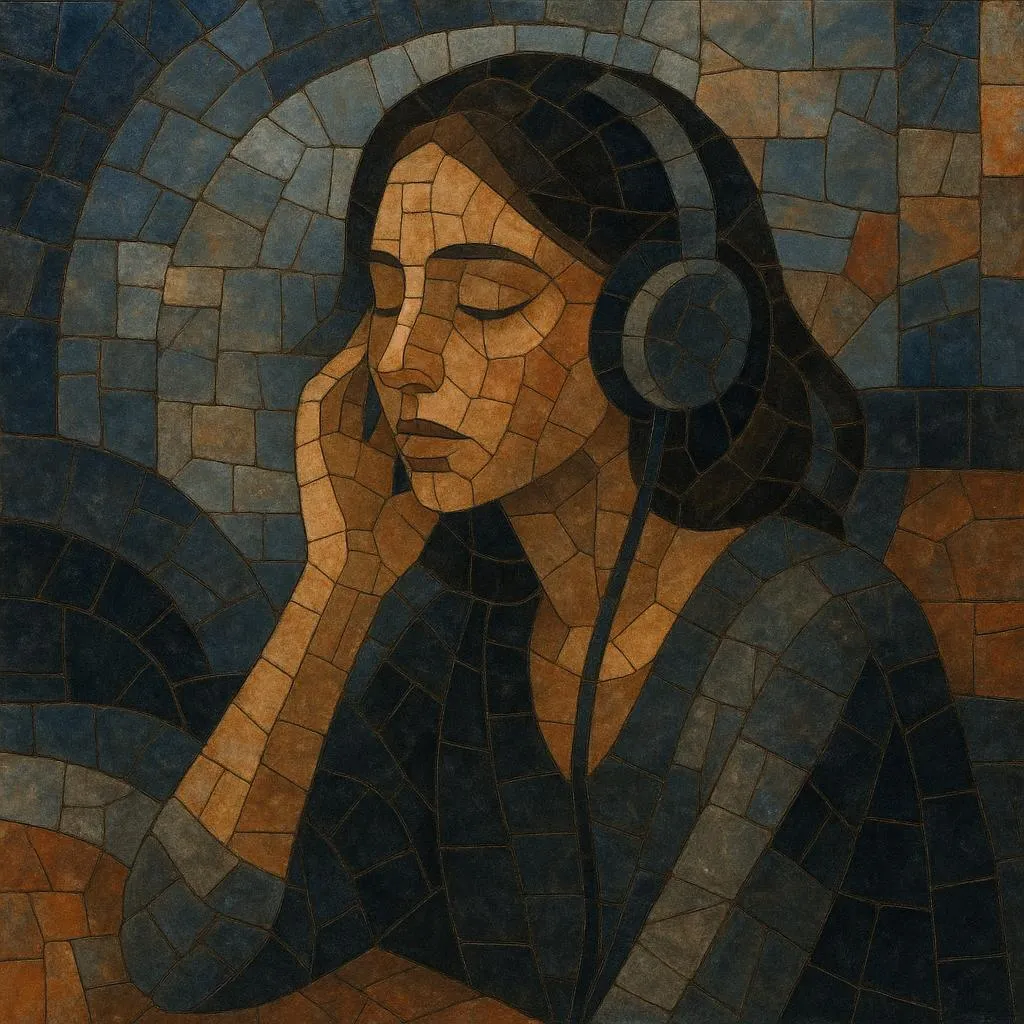
Songs are typically slow to mid‑tempo, minimal in arrangement, and intimate in vocal delivery—often breathy, close‑miked, and confessional. Production emphasizes warmth and negative space: soft sub‑bass, restrained percussion, reverb‑washed pads or guitars, and gentle saturation that keeps the overall texture velvety and nocturnal.
Lyrically, the style skews introspective and late‑night: relationships, vulnerability, quiet self‑reflection, and the emotional afterglow of parties or city drives. The result is music that feels low‑key and cinematic—designed as much for solitary listening as for low‑light social settings.
History
Modern downshift coalesced as post‑dubstep, trip hop, dream pop, and alt‑R&B converged with indie pop minimalism. Artists pushing sparse, bass‑aware productions and whisper‑intimate vocals set an aesthetic template that valued space and restraint over maximal hooks.
By the mid‑to‑late 2010s, streaming platforms and mood‑driven playlists amplified this sound. Its subdued dynamics, slow tempos, and plush textures made it ideal for “late night,” “study,” and “chill” contexts. Bedroom‑recording culture and affordable in‑the‑box tools further encouraged quiet, close‑miked vocals and low‑volume production choices.
Producers leaned on soft sub‑bass, half‑time drum programming, lo‑fi coloration, and ambient pads or clean, chorus‑tinged guitars. Harmonies favored emotive but simple minor 7ths/add9s, while arrangements left air between phrases. The result was a distinctly modern, cinematic hush.
The style spread internationally through online scenes, influencing chill‑adjacent pop and singer‑songwriter productions. It overlapped with bedroom pop, neo‑mellow singer‑songwriters, and low‑key alt‑R&B, shaping a broad ecosystem of moody, intimate contemporary pop.