Your digging level

For this genre
0/8
🏆
Sign in, then listen to this genre to level up

Description

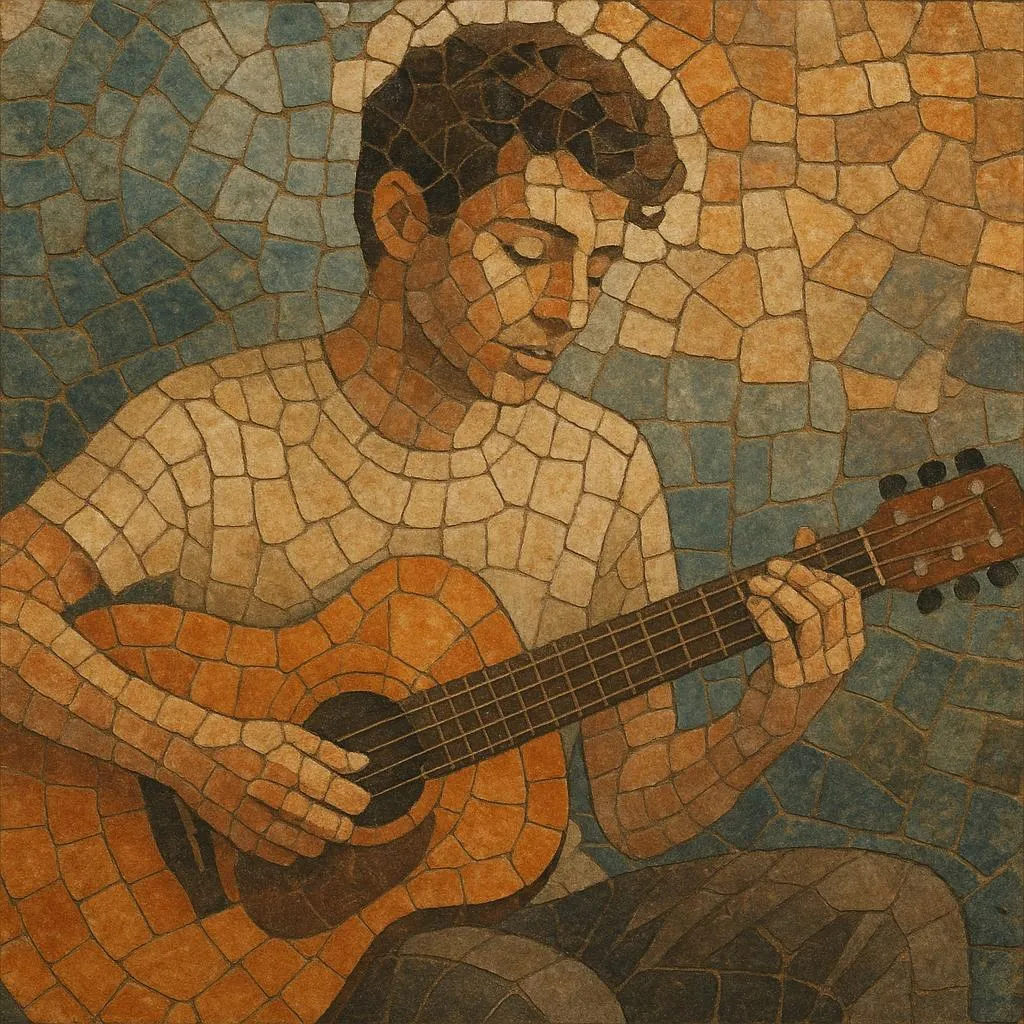
Acoustic chill is a mellow, singer‑songwriter–oriented style that emphasizes intimate vocals, gentle guitar work, and understated production.

It blends the warmth of acoustic folk and soft rock with the relaxed sensibility of modern chillout, favoring soothing tempos, sparse arrangements, and close‑mic recording that feels personal and "in the room."

While rooted in coffeehouse traditions, the style matured in the 2000s and 2010s through surf‑folk, indie folk, and playlist culture, becoming a go‑to soundtrack for reading, study, and lazy afternoons.


Sources: Spotify, Wikipedia, Discogs, RYM, MB, user feedback and other online sources

History

Early roots (1960s–1990s)

Acoustic chill traces its DNA to the coffeehouse singer‑songwriter era, 1960s folk revival, and 1970s soft rock. Artists popularized close‑mic vocals and intimate arrangements that foreground lyrics and melody. The 1990s "unplugged" movement reaffirmed the appeal of stripped‑back acoustic sets across pop and rock.

Codification in the 2000s

In the early 2000s, a wave of surf‑folk and laid‑back singer‑songwriters (e.g., Jack Johnson and contemporaries) combined folk guitar patterns with beach‑breezy rhythms and warm, minimalist production. Parallel indie‑folk scenes in the US, UK, and Australia emphasized finger‑picked guitars, brushed percussion, and hushed vocal delivery—elements that became the building blocks of acoustic chill.

Playlist era and global spread (2010s–present)

Streaming platforms helped consolidate the sound under editorial and user‑generated playlists labeled "Acoustic Chill," "Chill Folk," and "Coffeehouse." The aesthetic—gentle tempos, intimate vocals, minimal processing—proved versatile for study, relaxation, and lifestyle content, spreading well beyond Anglophone markets. Today, acoustic chill overlaps with indie folk, acoustic pop, and bedroom productions, while retaining its hallmark: a calm, personal atmosphere.


How to make a track in this genre

Core instrumentation
•   Start with a well‑recorded acoustic guitar (steel‑string; nylon for softer timbre). Use finger‑picking or gentle strumming with light dynamics. •   Add subtle layers: soft piano, light pad or organ swells, brushed snare/shaker, upright or electric bass played sparsely. Keep arrangements uncluttered.
Harmony and melody
•   Favor diatonic progressions in major or modal (Mixolydian/Dorian) keys for warmth; occasional relative minor for reflective moods. •   Common progressions: I–V–vi–IV; I–vi–IV–V; vi–IV–I–V; use added seconds/sixths (sus2, add9) for airy color. •   Vocal melodies sit mid‑range with limited leaps, intimate phrasing, and close‑mic presence; consider double‑tracking quietly for width.
Rhythm and groove
•   Tempos typically 70–100 BPM; swing lightly or stay straight and unhurried. •   Percussion is minimal: brush kit, cajón, soft rim clicks, or simple shaker patterns accenting 2 and 4.
Lyrics and mood
•   Themes: calm reflection, nature, travel, care, and gentle romance. Keep imagery tangible and conversational; avoid overwrought metaphors. •   Use short verses, memorable but understated choruses, and allow instrumental space after vocal lines.
Production and arrangement
•   Record dry and close; use low‑ratio compression, high‑pass filters, and light plate/room reverb to maintain intimacy. •   Pan acoustic doubles subtly L/R; keep lead vocal centered, bass slightly compressed, and percussion tucked behind. •   Leave headroom—acoustic chill benefits from dynamic nuance rather than loudness.
Performance tips
•   Prioritize feel over perfection; micro‑timing and soft dynamics convey warmth. •   Track in a quiet room, using ribbons or small‑diaphragm condensers on guitar (12th‑fret technique) and a large‑diaphragm condenser for voice at close distance with a pop filter. •   Resist over‑arranging; if a part doesn’t serve the vibe, mute it.

Top tracks

Locked
Share your favorite track to unlock other users’ top tracks

Upcoming concerts

in this genre
Influenced by
Has influenced

Download our mobile app

Get the Melodigging app and start digging for new genres on the go
© 2026 Melodigging
Melodding was created as a tribute to Every Noise at Once, which inspired us to help curious minds keep digging into music's ever-evolving genres.
Buy me a coffee for Melodigging