Your digging level
Description
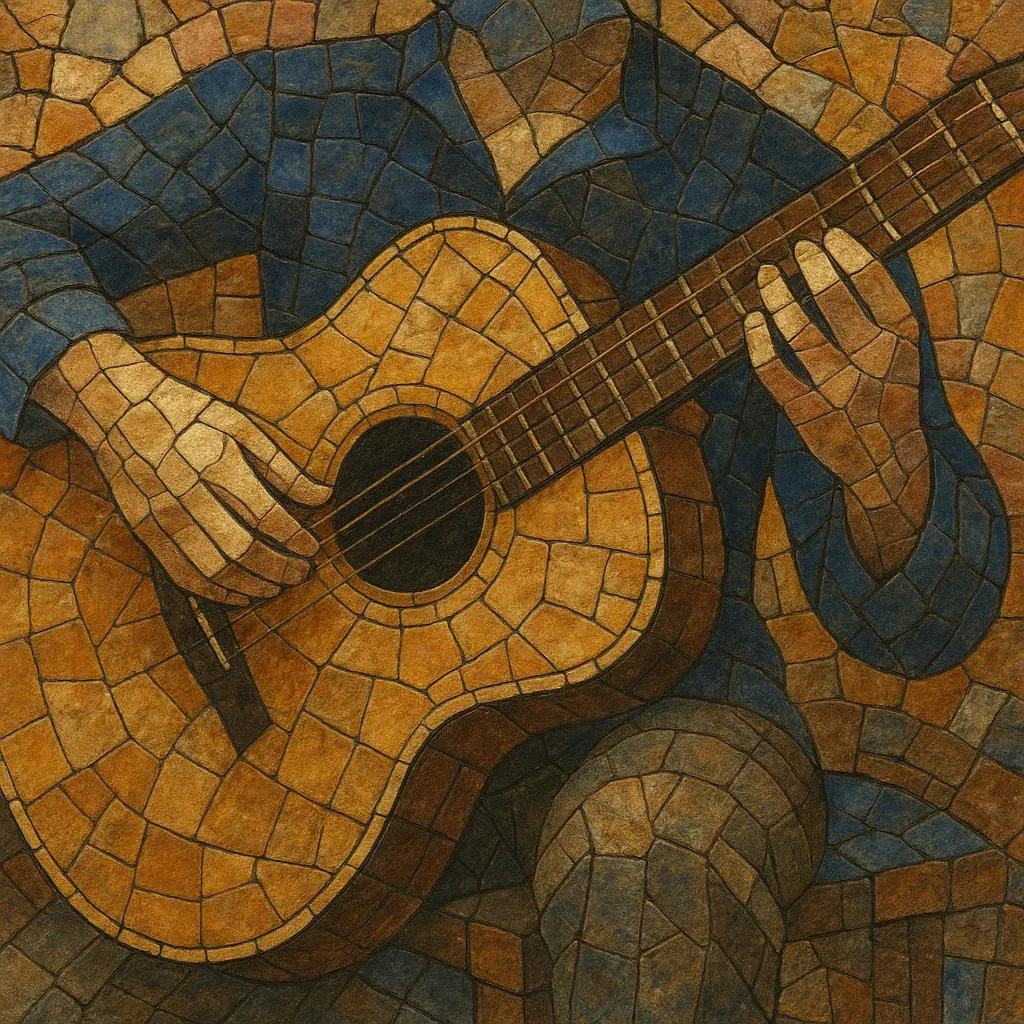
Instrumental acoustic guitar is a style centered on expressive, unaccompanied or lightly accompanied pieces for steel‑ or nylon‑string guitar in which the guitar carries melody, harmony, and rhythm without vocals.
The style ranges from folk- and blues-derived fingerpicking to harmonically rich, classically influenced compositions and the highly physical, percussive "modern fingerstyle" approach. Artists typically employ alternate tunings, natural and artificial harmonics, counterpoint, and dynamic control to create full, song-like narratives entirely on the instrument. While its roots run through early American folk and blues, the genre reached a broader audience in the late 20th century through new-age labels and a global community of concert guitarists and online performers.
Today it encompasses traditional idioms (ragtime, Celtic, and Piedmont techniques), minimalist textures suited to relaxation and focus listening, and virtuosic concert works that stretch the guitar’s orchestral possibilities.
History
Instrumental playing on acoustic guitar emerged from folk, blues, and parlor traditions. Ragtime transcriptions and Piedmont blues fingerpicking adapted piano syncopations to the guitar, while classical guitar (from Spain and Latin America) modeled concert-level solo repertoire and technique. These threads established the idea that a single guitar could carry melody, harmony, and bass.
In the 1960s, American Primitive Guitar crystalized a distinctly solo, instrumental identity: long-form, modal, and folk-blues pieces recorded for small, artist-run labels brought the unaccompanied acoustic guitar forward as an expressive, album-worthy medium. Parallel British and American folk revivals expanded alternate tunings and counterpoint-rich fingerpicking.
Independent labels associated with new age popularized lush, spacious acoustic recordings aimed at focused listening. Better studio techniques (stereo mic’ing, natural room reverb) and touring circuits brought instrumental acoustic guitar to concert halls. Virtuosos introduced extended techniques: two‑hand tapping, percussive bodywork, cascading harmonics, and altered tunings that allowed orchestral voicings on a single instrument.
Online video platforms and niche labels helped an international wave of players share percussive fingerstyle, Celtic and continental folk hybrids, and classically influenced originals. Community-driven festivals, competitions, and luthier innovation (armrests, bevels, fan-fret, and responsive OM/GA bodies) supported a recognizable global scene.
The genre now spans concert repertoire, ambient/meditative playlists, and virtuosic showcase pieces. Streaming broadened audiences for soothing, spacious textures (focus/relaxation cues) while live performance continues to celebrate advanced technique and composition. The style remains a bridge between folk intimacy, classical structure, blues syncopation, and modern production aesthetics.