Your digging level
Description
Country folk is a hybrid of American country music and the acoustic, narrative-driven traditions of folk. It emphasizes intimate songwriting, uncluttered arrangements, and roots instrumentation while retaining the plainspoken storytelling and melodic directness of country.
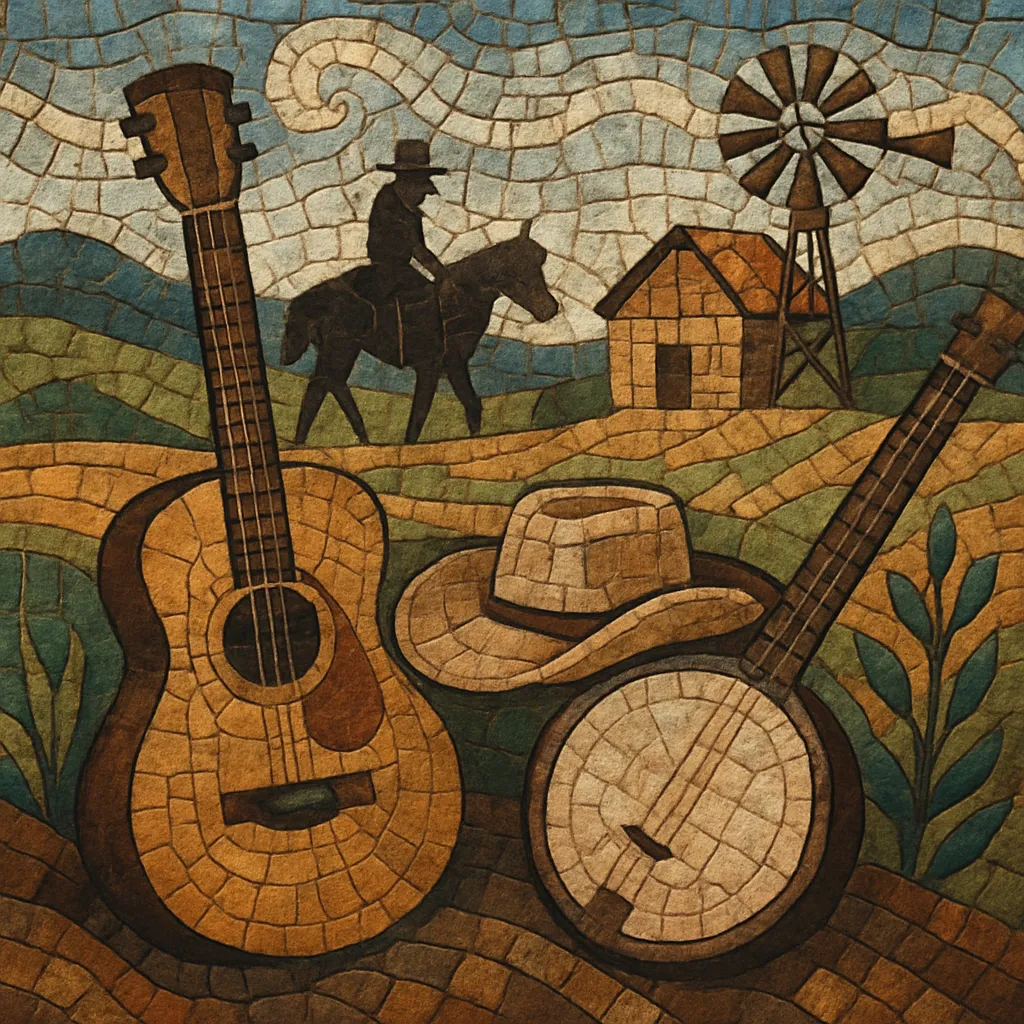
Compared with country rock, country folk is typically quieter, more acoustic, and less rhythm-section heavy. It foregrounds lyrics, fingerpicked guitar, and warm, organic timbres such as fiddle, pedal steel, banjo, and upright or lightly played electric bass. The result is a style that feels reflective, pastoral, and personal, with songs that travel easily between front-porch simplicity and studio polish.
History
Country folk emerged in the United States during the 1960s as the folk revival’s singer‑songwriters engaged Nashville’s session culture and country’s instrumental colors. Albums like Bob Dylan’s “Nashville Skyline” (1969) demonstrated how folk lyricism and acoustic intimacy could coexist with pedal steel, brushed drums, and country phrasing, opening a lane distinct from the louder, backbeat-forward country rock trend.
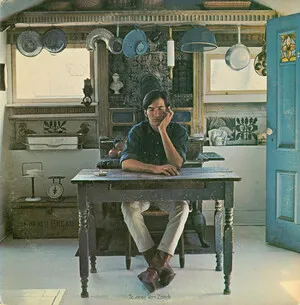
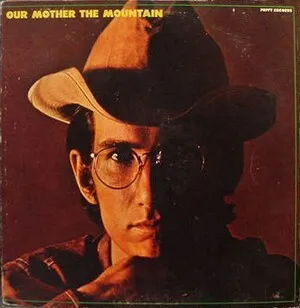
Artists such as Gordon Lightfoot and Joan Baez occasionally crossed into the sound, while Texas and Oklahoma writers—most notably Townes Van Zandt—shaped the genre’s poetic, plainspoken core.
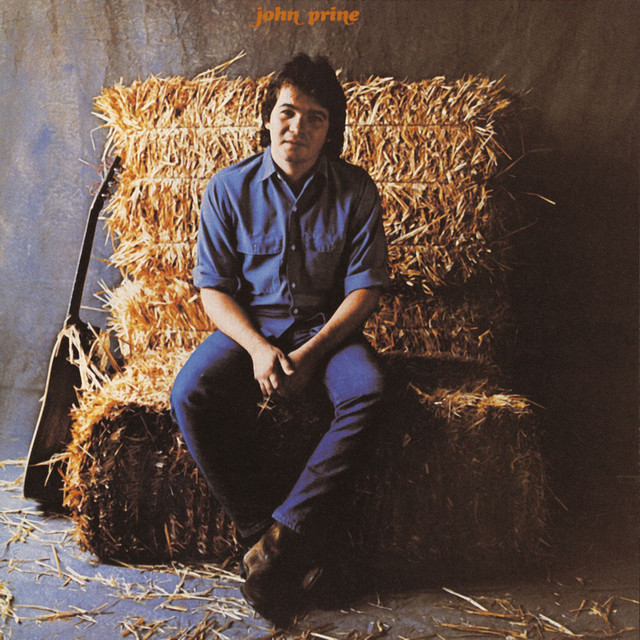
The early 1970s saw a blossoming of country folk through writers whose work balanced craft and commercial reach. John Prine and Kris Kristofferson set a standard for economical storytelling and character sketches. Emmylou Harris blended crystalline vocals with traditionalist arrangements that were approachable but never slick, while John Denver carried the style to mainstream audiences with pastoral imagery and singable melodies.
Through the 1980s and 1990s, country folk informed the rise of the broader Americana category. Nanci Griffith’s literate, tender songs, Lucinda Williams’s rootsy introspection, and Gillian Welch’s stark, old-time-inflected minimalism demonstrated the genre’s range—from luminous, radio-friendly textures to austere, Dust Bowl atmospheres. Country folk’s emphasis on authenticity and songcraft helped shape the emerging Americana infrastructure of radio, festivals, and independent labels.
In the 21st century, country folk continues as a foundation for contemporary singer‑songwriters and indie roots artists. The style permeates modern Americana and indie folk, encouraging organic production, conversational vocals, and narrative lyrics. Its aesthetic—earthy tones, acoustic instruments, and reflective pacing—remains a touchstone for artists seeking emotional immediacy without abandoning melody and tradition.