Your digging level
Description
Norske viser (Norwegian "viser") is the Norwegian branch of the Scandinavian singer‑songwriter and ballad tradition. It foregrounds storytelling lyrics—often in Norwegian Bokmål, Nynorsk, or regional dialects—set to memorable, singable melodies.
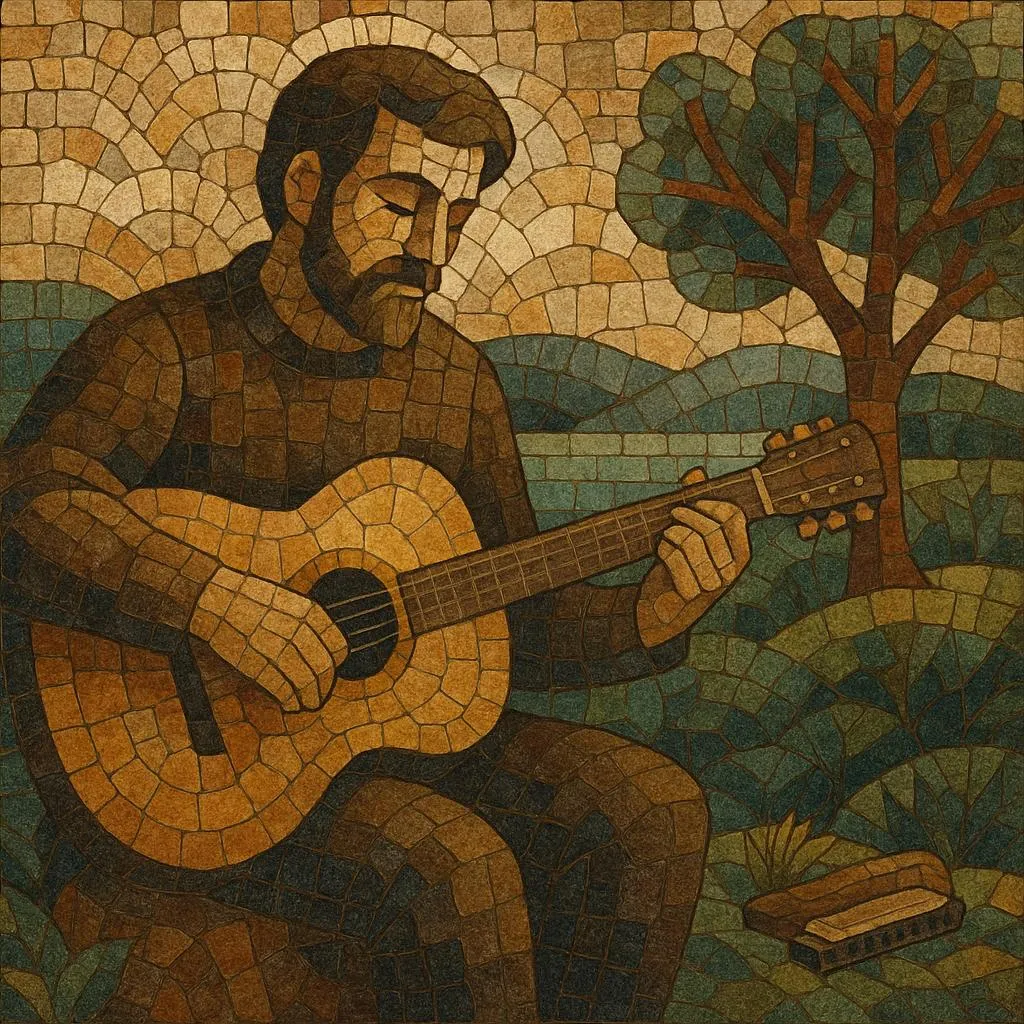
Musically, the style leans on acoustic instrumentation (guitar, occasionally piano, harmonica, fiddle) and folk‑tinged harmony and modes derived from older Norwegian song traditions. Thematically, it alternates between intimate portraits of everyday life, social commentary, nature imagery, and gently humorous or bittersweet reflections. The vocal delivery is clear and text‑centric, with phrasing crafted to make the narrative intelligible and emotionally direct.
While rooted in age‑old ballad and folk practice, norske viser took modern shape alongside the 1960s Nordic "visesang" wave, absorbing influences from the American folk revival and French chanson. It remains a living tradition spanning coffeehouse intimacy, school songbooks, festival stages, and contemporary singer‑songwriter pop crossovers.
History
Norwegian song traditions long predate the modern genre: medieval ballads, stev and kveding practices, and regionally specific folk repertoires formed a storehouse of melodies, modal turns, and storytelling habits. These practices established a cultural expectation that a "vise" should communicate narrative meaning clearly and singably.
In the 1960s, a new generation of Norwegian singer‑songwriters emerged in parallel with the Scandinavian "visesang" boom. They were inspired by the American folk revival’s emphasis on personal authorship and the text‑driven poetics of French chanson. Coffeehouses and small clubs became hubs for performers who wrote and sang in Norwegian, often with topical or gently political lyrics. Radio and TV appearances brought the style into the mainstream, and songbooks spread the repertoire through schools and amateur ensembles.
By the 1980s, norske viser had matured into a widely recognized singer‑songwriter tradition. Artists blended folk idioms with pop arrangements, soft rock, and chamber‑folk colors. The period also saw careful literary attention to lyrics, with dialect use and regional storytelling reinforcing a distinct Norwegian identity. Festivals and writer‑oriented venues sustained the scene, while recordings broadened the palette with piano‑based arrangements and subtle orchestration.
Today, norske viser thrives both as a heritage practice and as a contemporary singer‑songwriter current. Artists continue to prioritize articulate, narrative lyrics and acoustic warmth while adopting modern production, ambient folk textures, and indie‑pop sensibilities. The genre remains a key conduit for Norwegian language songcraft, from intimate stages to national broadcasts and school repertoires.