Your digging level
Description
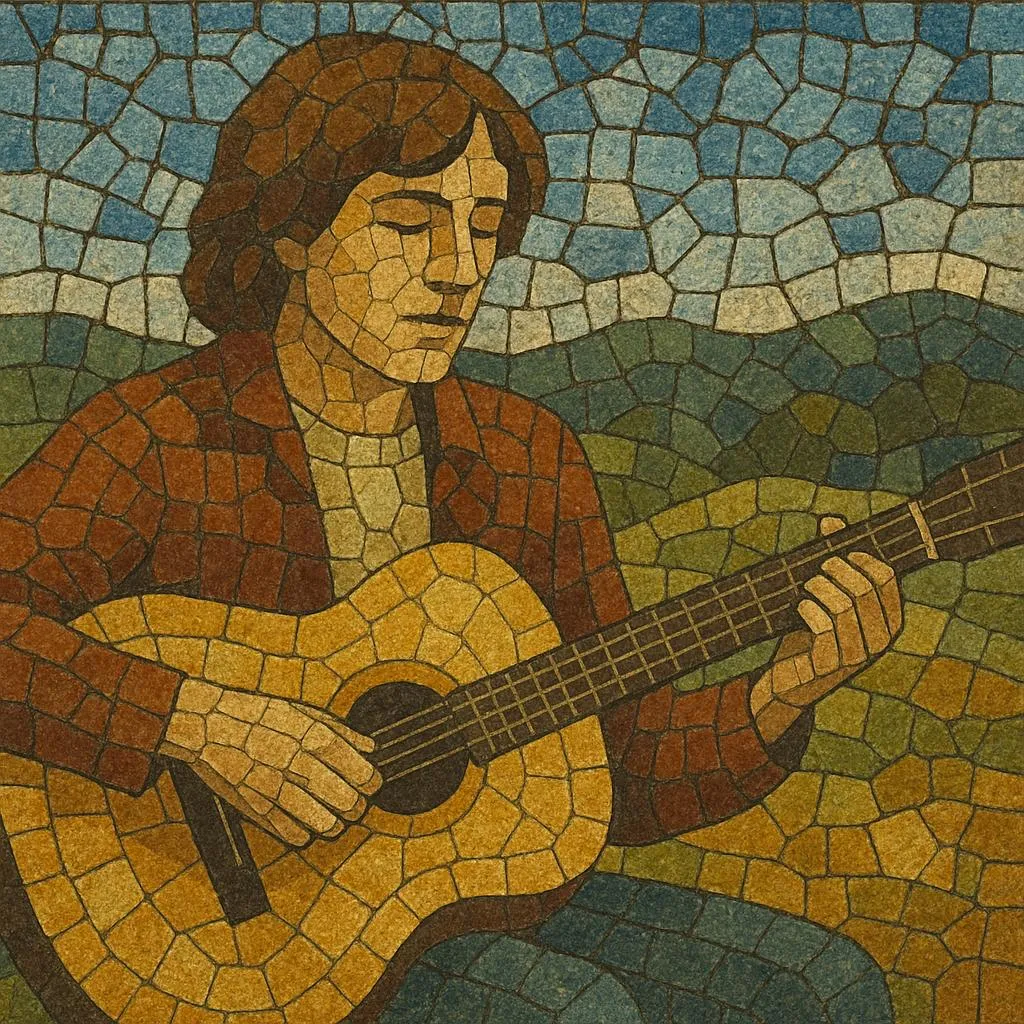
Vispop is a Scandinavian singer‑songwriter–oriented folk‑pop tradition that blossomed in the mid‑1960s and became one of the most popular styles in the region during the 1970s.
The term comes from the Swedish word “visa” (a narrative or lyrical song/ballad), and in Norway the parallel term is “visesang.” Vispop marries the core traits of the Nordic ballad and folk-song heritage with contemporary popular-song structures: clear narratives, memorable refrains, and acoustic, guitar-led accompaniment. Its lyrics often balance intimacy and storytelling with social observation, humor, and poetic imagery, delivered in Swedish, Norwegian, or Danish with careful attention to diction and prosody.
Musically, vispop favors strophic forms, diatonic harmony, and moderate tempos; arrangements range from solo voice-and-guitar to small ensembles with bass, light percussion, and occasional fiddle, flute, or accordion. The overall feel is warm, conversational, and melody-forward, keeping the story at the center.
History
Vispop arose as Scandinavia’s answer to the broader 1960s folk revival. Artists steeped in the long Nordic “visa/visesang” tradition adapted that lineage to contemporary tastes by embracing compact pop forms, guitar accompaniment, and singer‑songwriter intimacy. Coffeehouses, hootenannies, and university clubs in Sweden, Norway, and Denmark served as the breeding ground for a new generation of performers who valued lyrical storytelling and a conversational vocal style.
By the 1970s, vispop was a dominant popular style across Scandinavia. Artists toured widely; summer festivals and national media helped carry the sound to broad audiences. Many songs interwove personal narratives with gentle social critique, continuing the folk-revival’s engagement with everyday life and civic themes while maintaining the accessibility of pop. Recordings from this era solidified the canon and set the stylistic template: voice up front, guitar as the harmonic bed, and arrangements that never overshadow the lyric.
Typical features include strophic or verse‑refrain forms, major/minor and modal (Dorian/Mixolydian) harmonies, fingerpicked or lightly strummed acoustic guitar, and mid‑tempo grooves (often in 2/4, 3/4, or 4/4). Orchestration stayed modest—upright or electric bass, brushes or hand percussion, occasional flute/fiddle/accordion—ensuring clarity for the narrative voice.
From the 1980s onward, vispop’s DNA flowed into Nordic pop, rock, and indie scenes. While production grew more electric and studio‑driven, the emphasis on lyrical storytelling, native-language delivery, and melodic directness remained influential. Contemporary Swedish and Norwegian indie‑folk and folk‑pop acts often trace their songwriterly clarity and acoustic sensibility to the vispop tradition, which continues to be celebrated at festivals and on national airwaves.