Your digging level
Description
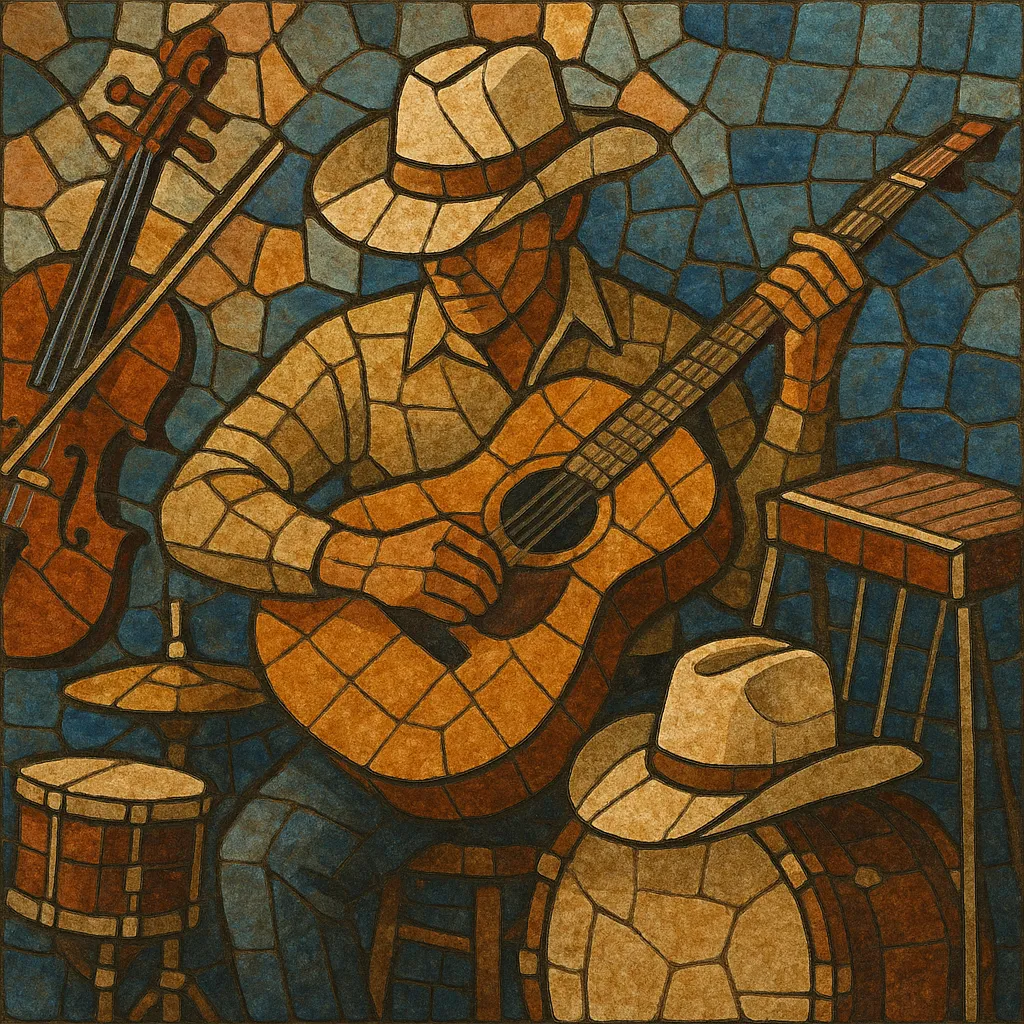
Neo-traditional country (often called the "new traditionalist" movement) is a 1980s return to the core sounds of classic country after a period of pop-oriented production. It favors fiddle, pedal steel, Telecaster twang, two-step shuffles, waltzes, and Western swing inflections over glossy crossover arrangements.
The style centers on straightforward storytelling about everyday life, love, heartbreak, work, and small-town culture. Melodies are singable and rooted in pentatonic or mixolydian colors, harmony stays mostly diatonic, and production is clean but dry—leaving space for vocal presence and instrumental fills.
While reverent to honky-tonk, Bakersfield, bluegrass, and Western swing, neo-traditional country updates the sound with modern recording clarity and tight Nashville session craft, reconnecting mainstream radio with country’s foundational aesthetics.


History
Neo-traditional country arose as a reaction to the smoother, pop-leaning country of the late 1970s and early 1980s. Artists like Ricky Skaggs helped bring bluegrass-rooted authenticity to mainstream country, while George Strait’s early releases signaled a reset toward fiddle-and-steel honky-tonk grounded in classic styles.
By the mid-1980s, the press labeled a wave of charting artists as "new traditionalists." Randy Travis’s Storms of Life (1986) and Dwight Yoakam’s Guitars, Cadillacs, Etc., Etc. (1986) became touchstones, the former leaning toward hard-country balladry and the latter reviving Bakersfield bite. The Judds, Keith Whitley, Patty Loveless, and others reinforced the movement on radio and TV, making hard-country aesthetics commercial again.
The early 1990s cemented the sound’s mainstream viability. Alan Jackson, Clint Black, Mark Chesnutt, and Tracy Lawrence carried the torch with danceable two-steps, shuffles, and steel-forward ballads that fit modern programming. Even as arena-sized acts broadened country’s pop reach, neo-traditionalists kept a strong presence, particularly in Texas dancehalls and core country radio formats.
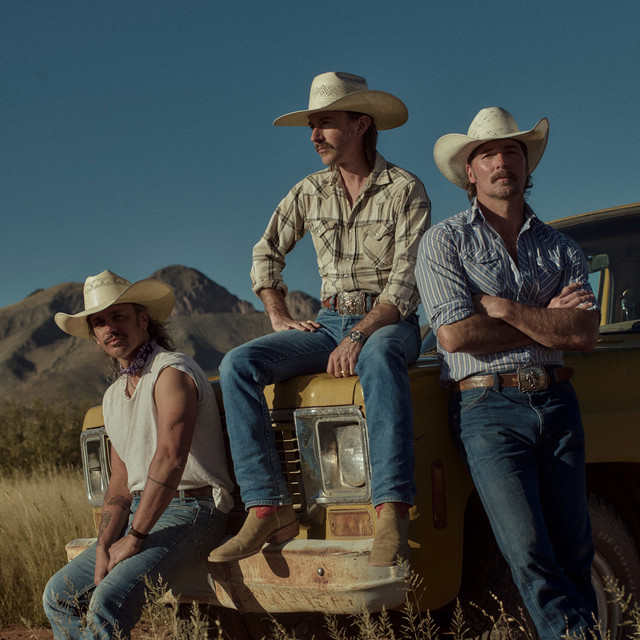
Though cycles of pop-country periodically dominate radio, neo-traditional aesthetics persist. Artists like Brad Paisley, Josh Turner, Jamey Johnson, Jon Pardi, and Midland have periodically re-centered the sound, while the Americana scene and Texas/Red Dirt circuits sustain a market for rootsier production. The movement’s legacy is a durable template for mainstream country that privileges story, twang, and dance-floor utility.

Top albums

Best playlists