Your digging level

For this genre
0/8
🏆
Sign in, then listen to this genre to level up

Description

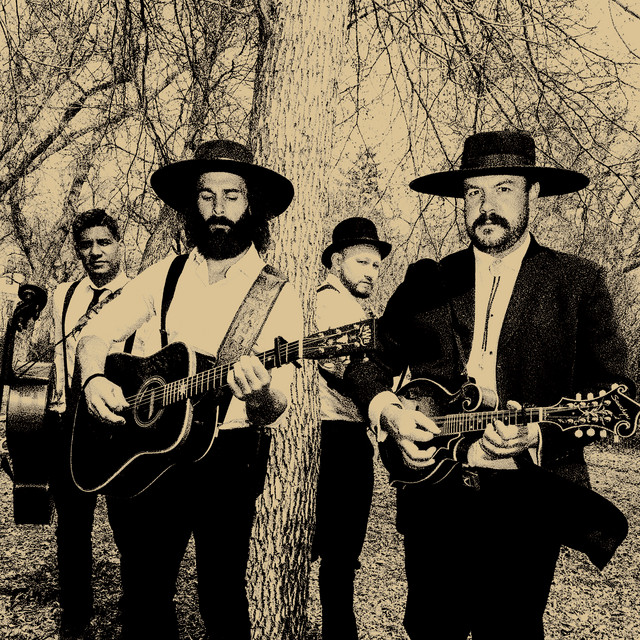
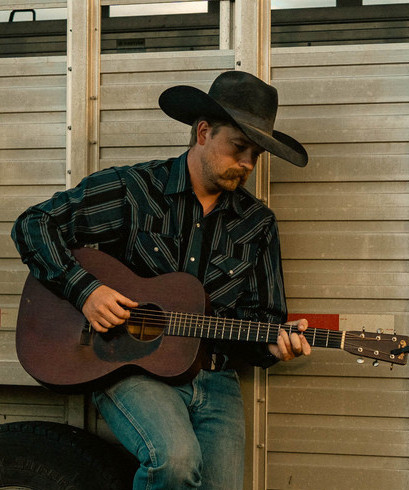
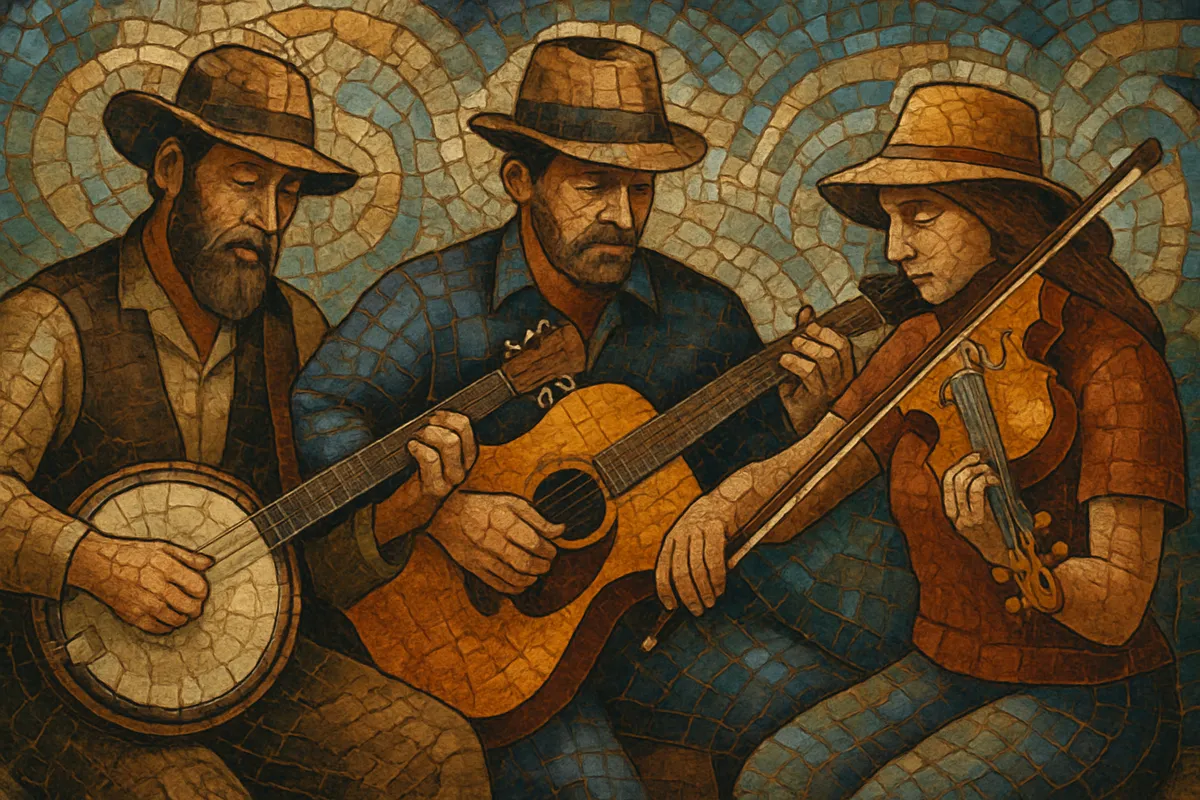
Bluegrass is a style of American roots music that coalesced in the Appalachian region in the 1940s around Bill Monroe and his Blue Grass Boys. It is defined by all‑acoustic instrumentation (typically fiddle, mandolin, 5‑string banjo, guitar, and upright bass, with dobro often added), virtuosic ensemble interplay, and a distinctive “high lonesome” lead vocal timbre supported by tight three‑part harmonies.

Musically, bluegrass fuses African American blues and jazz phrasing with Anglo‑Celtic ballads and dance tunes. Hallmarks include driving tempos, syncopated 3‑finger banjo rolls (popularized by Earl Scruggs), off‑beat mandolin “chop” backbeats, boom‑chuck guitar rhythm, two‑beat bass, and alternating instrumental “breaks.” Repertoires mix breakdowns and fiddle tunes with narrative ballads, gospel numbers, and contemporary songwriter material.


Sources: Spotify, Wikipedia, Discogs, RYM, MB, user feedback and other online sources

History

Origins (late 1930s–1940s)

Bluegrass took shape in the late 1930s and 1940s when mandolinist/singer Bill Monroe assembled the Blue Grass Boys, whose 1945 lineup (with Lester Flatt on guitar and Earl Scruggs on 5‑string banjo) crystallized the sound. Drawing on Appalachian old‑time string bands, Anglo‑Celtic balladry, African American blues and jazz, and white and Black sacred traditions, Monroe framed a fast, hard‑driving acoustic style with high‑pitched lead vocals and tight harmonies.

Classic era and spread (1950s)

After the breakout of Monroe’s band, alumni and peers spread the style: Flatt & Scruggs refined the Scruggs banjo sound on radio and the Grand Ole Opry; the Stanley Brothers brought mournful, mountain‑gospel inflections; the Osborne Brothers and Jimmy Martin pushed rhythmic drive and close harmony. Bluegrass distinguished itself from country by remaining strictly acoustic and by featuring virtuosic instrumental “breaks.”

Folk revival and festival culture (1960s–1970s)

The 1960s folk revival brought bluegrass to college audiences and urban festivals, while Ralph Rinzler’s advocacy and events such as the first multi‑day bluegrass festivals helped build a dedicated circuit. Progressive players began extending harmony, repertoire, and improvisation, leading to "newgrass"/progressive currents alongside traditionalists.

Modern bluegrass (1980s–present)

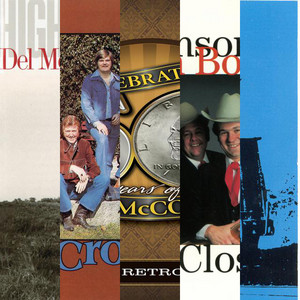
From the 1980s onward, bands like the Del McCoury Band, Alison Krauss & Union Station, and Ricky Skaggs bridged tradition and innovation, while virtuosi like Tony Rice set new standards for flatpicking guitar. Today, bluegrass thrives globally, supported by jam circles, contests, and festivals, with parallel streams—traditional, gospel‑leaning, and progressive—coexisting under the broader bluegrass umbrella.

How to make a track in this genre

Core instrumentation and roles
•   Five-piece norm: guitar (rhythm/flatpicking), mandolin (off-beat "chop"), 5-string banjo (3-finger rolls), fiddle (melody and fills), upright bass (two-beat pulse). Optional: dobro/resonator guitar. •   Keep it acoustic; use microphones (often a single condenser for classic stagecraft) to balance dynamics.
Rhythm and groove
•   Bass plays root–fifth on beats 1 and 3; guitar provides boom–chuck with alternating bass notes; mandolin chops on beats 2 and 4 for backbeat clarity. •   Banjo uses Scruggs-style forward/alternating rolls for syncopation; fiddle employs Nashville shuffle and long‑bow phrasing. •   Typical tempos range from medium (110–130 BPM) to fast (140–180+ BPM) for breakdowns.
Harmony, melody, and form
•   Common keys: G, A, B, C, D; use capos to accommodate singers while retaining open‑string timbres. •   Progressions are diatonic and functional (I–IV–V; I–vi–IV–V; occasional ii and bVII). Modal tunes (Mixolydian/Dorian) are frequent in fiddle sets. •   Song forms: verse–chorus or verse–refrain; instrumental tunes often follow AABB 32‑bar structures. •   Vocals: three‑part stacked harmony—lead, tenor (often a third above), and baritone (below or moving line). Aim for the “high lonesome” timbre on leads and trios.
Arrangement practice
•   Start with an instrumental kickoff, alternate sung sections with instrumental breaks that feature different lead instruments, and end with a tag/ritard. •   Trade solos democratically; keep breaks melodically clear, then add tasteful runs. •   For gospel numbers, consider quartet harmony and call‑and‑response, sometimes a cappella.
Lyrics and repertoire
•   Themes: rural life, travel, work, faith, love, heartbreak, and historical or place‑based narratives. •   Balance traditional numbers (public‑domain ballads, fiddle tunes) with original songwriting or contemporary covers arranged in bluegrass style.
Technique tips
•   Guitar: rest‑stroke flatpicking, crosspicking patterns, and bass‑run connections between chords. •   Banjo: clean Scruggs rolls, slides, hammer‑ons/pull‑offs; keep right‑hand timing metronomic. •   Mandolin: crisp percussive chop; tremolo for sustained melodies. •   Fiddle: bow control for shuffle vs. long‑bow; double‑stops to outline harmony. •   Ensemble: maintain headroom for vocals; lock the backbeat and two‑beat feel for drive.

Main artists

Top tracks

Locked
Share your favorite track to unlock other users’ top tracks

Upcoming concerts

in this genre
Influenced by
Has influenced

Download our mobile app

Get the Melodigging app and start digging for new genres on the go
© 2026 Melodigging
Melodding was created as a tribute to Every Noise at Once, which inspired us to help curious minds keep digging into music's ever-evolving genres.
Buy me a coffee for Melodigging