Your digging level
Description
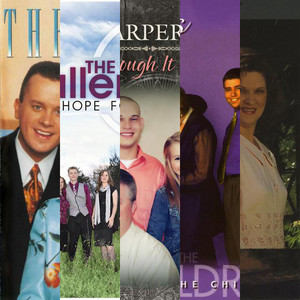
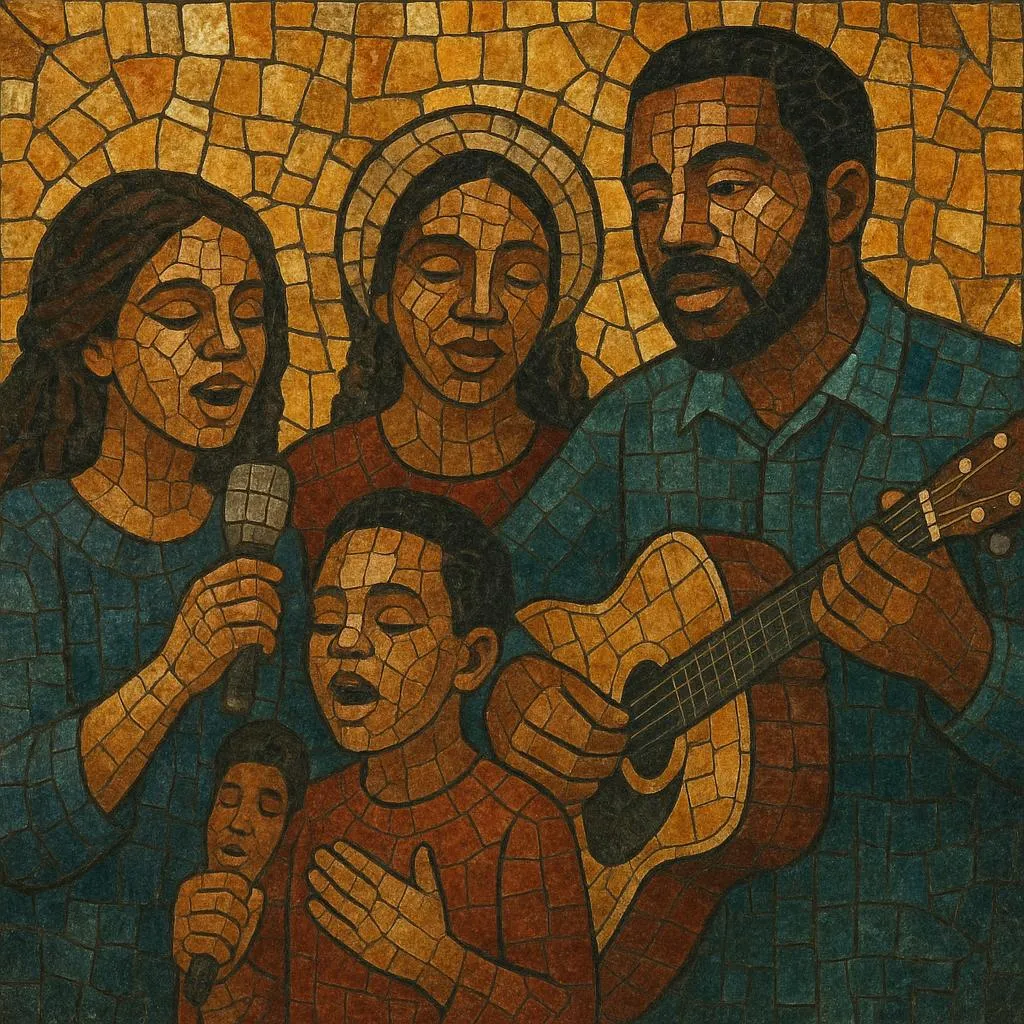
Family Gospel is a subgenre of gospel music characterized by musical groups composed of family members, such as siblings, parents and children, or extended kin.
It is defined by 'blood harmonies'—a unique, tight vocal blend often attributed to shared genetics and growing up singing together.
The genre spans both Southern Gospel (predominantly white, country-influenced) and Black Gospel traditions, emphasizing themes of faith, salvation, and family unity.
History
The roots of Family Gospel lie in the rural American South of the late 19th and early 20th centuries, where singing was a primary form of entertainment and worship in the home and church.
The genre formally emerged in the 1920s with the rise of radio and recording technology. The Speer Family, founded in 1921, and The Carter Family, who began recording in 1927, established the template: family groups performing sacred music with acoustic accompaniment.
From the 1940s through the 1960s, Family Gospel became a cornerstone of the Southern Gospel movement. Groups like The Happy Goodman Family and The Blackwood Brothers (originally brothers) popularized the style through 'all-night singings' and television programs like the 'Gospel Singing Jubilee'.
In the latter half of the 20th century, the tradition expanded within Black Gospel through legendary acts like The Staple Singers, The Winans, and The Clark Sisters, who blended traditional gospel with soul and R&B. Today, the tradition continues with groups like The Isaacs and The Crabb Family, bridging the gap between traditional roots and Contemporary Christian Music.
Composing for Family Gospel centers on vocal arrangement and lyrical sincerity.
Harmony and Vocals
The core element is the vocal harmony, typically arranged in three or four parts (soprano, alto, tenor, bass). Utilize 'blood harmonies' by having voices move in close, parallel intervals. Call-and-response structures between a lead singer and the group are common.
Instrumentation
Keep instrumentation supportive rather than overpowering. Traditional styles use acoustic guitar, piano, and bass. Modern iterations may include full bands with drums and electric instruments, but the piano often remains the driving rhythmic and melodic force.
Lyrics
Lyrics should focus on Christian theology, personal testimony, the joys of heaven, and the strength of family bonds. The tone is generally hopeful, offering comfort and assurance.