Your digging level
Description
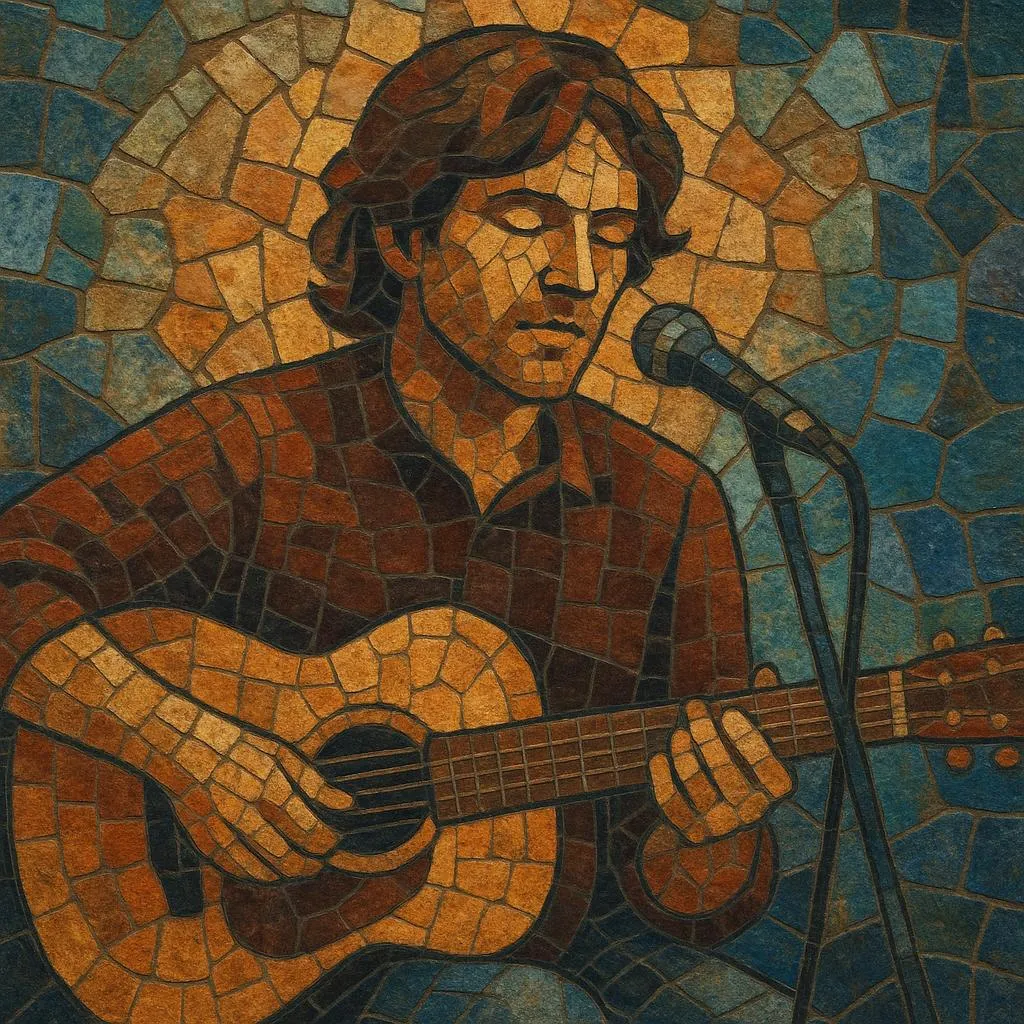
Laulaja–lauluntekijä is the Finnish singer‑songwriter tradition, centered on artists who both write and perform their own songs—most often in Finnish. The genre values literate, image‑rich lyrics and storytelling, set to approachable folk, pop, and rock‑tinged melodies.
Musically it leans on acoustic guitar or piano as the core vehicle for the voice and text, while production ranges from intimate, lo‑fi recordings to full band arrangements. Lyrically it spans wry social observation and political commentary to introspective, romantic, and nostalgic themes, with Finnish prosody—assonance, alliteration, and compound words—used as expressive tools.
The style crystallized in the early 1970s as Finnish artists adapted the Anglo‑American folk/singer‑songwriter wave to local idioms and to iskelmä (Finnish schlager) songcraft, establishing a durable national tradition that continues across generations.
History
Finland absorbed the global folk revival and the emerging Anglo‑American singer‑songwriter movement in the late 1960s. Coffeehouses and student circles fostered lyric‑centric performance, while Finnish schlager (iskelmä) provided a popular song framework that could host more personal texts.
The genre coalesced in the early 1970s as artists like Hector, Dave Lindholm, Juice Leskinen, Pekka Streng, and Tuomari Nurmio brought Finnish‑language songwriting to the center of pop and rock culture. Their work blended folk and rock idioms with sharply crafted lyrics—ranging from surreal poetry to social critique—setting enduring models for vocal delivery, narrative focus, and wordplay.
Through the 1980s and 1990s, laulaja–lauluntekijä aesthetics infused Finnish rock and pop. Figures such as Ismo Alanko and J. Karjalainen bridged alternative rock energy with songwriter intimacy, while mainstream acts normalized the idea that the performer was also the author, strengthening the genre’s cultural cachet.
From the 2000s onward, a wide cohort—Maija Vilkkumaa, Samuli Putro, Olavi Uusivirta, and others—updated the form with contemporary production and indie sensibilities. Digital platforms and small venues supported a flourishing ecosystem of intimate performances, keeping focus on the voice, text, and melody. Today the idiom remains a cornerstone of Finnish popular music, influencing indie, pop, and even hip‑hop through its emphasis on narrative voice and lyrical craft.