Your digging level

For this genre
0/8
🏆
Sign in, then listen to this genre to level up

Description

Deep acoustic pop is an intimate, song‑forward branch of pop that foregrounds warm acoustic instrumentation, close‑mic’d vocals, and gentle, modern production.

It blends the immediacy of pop hooks with the hush and detail of coffeehouse singer‑songwriter craft: fingerpicked or lightly strummed guitars, soft piano pads and arpeggios, brushed drums or hand percussion, subtle bass, and small color instruments (glockenspiel, ukulele, harmonium) that bloom in the chorus rather than overwhelm it.

Lyrically it is personal, romantic, and reflective—everyday imagery, confessional tone, and conversational phrasing—while arrangements remain uncluttered and dynamic, rising from sparse verses to quietly radiant refrains. Its understated polish and emotive directness made it a staple for film/TV syncs and lifestyle playlists in the late 2000s and 2010s.


Sources: Spotify, Wikipedia, Discogs, RYM, MB, user feedback and other online sources

History

Roots (1990s–early 2000s)

Deep acoustic pop grew from the convergence of coffeehouse singer‑songwriter traditions, 1990s adult‑contemporary balladry, and the emerging indie‑pop ethos. The emphasis on acoustic guitar/piano, intimate vocal delivery, and diaristic lyrics descends from folk‑pop and singer‑songwriter lineages, while pop’s focus on hooks and concise forms kept the music radio‑ and sync‑ready.

Emergence and definition (mid–late 2000s)

Affordable home studios, blog culture, and boutique labels/platforms helped a wave of artists release understated, meticulously arranged acoustic pop with modern sheen. The sound thrived in small venues and “listening rooms,” then reached broader audiences through film/TV placements and retail/lifestyle compilations. Production favored close‑up vocals, warm analog‑style processing, and delicate builds—hallmarks that distinguished it from rootsier indie folk or glossy adult pop.

Streaming era spread (2010s)

Curated playlists amplified the genre’s presence, standardizing its sonic palette: fingerpicked guitars, soft percussion, layered harmonies, and cinematic but restrained lifts. International scenes—from Europe to East and Southeast Asia—adopted its aesthetic, merging local pop with the same breathy intimacy and acoustic textures.

Today

Deep acoustic pop remains a go‑to language for reflective storytelling and gentle uplift, occupying a space between indie folk’s earthiness and mainstream pop’s memorability. It continues to feed the sync ecosystem and to inform contemporary acoustic chill and indie‑pop offshoots.

How to make a track in this genre

Core instrumentation and texture
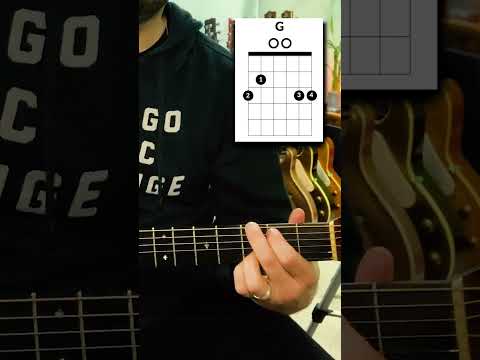
•   Start with a fingerpicked or lightly strummed steel‑string acoustic guitar (capo usage is common to reach bright, intimate keys). Add soft piano (broken chords or simple arpeggios), subtle warm bass (upright or electric), and gentle percussion (brushes, cajón, side‑stick, tambourine swells). •   Use small color instruments sparingly—glockenspiel, ukulele, harmonium, or light pads—to mark sections and add sparkle without crowding the vocal.
Harmony and form
•   Favor diatonic, comforting progressions: I–V–vi–IV, I–vi–IV–V, or ii–V–I with occasional secondary dominants for lift. •   Typical forms are verse–pre–chorus–chorus–bridge or AABA. Keep verses conversational and sparse; let choruses bloom with added layers and harmony stacks.
Melody, lyrics, and vocals
•   Write melodies within a comfortable range; aim for singable, uncluttered phrases that land the hook clearly in the chorus. •   Lyrics are intimate, image‑driven, and first‑person; balance specificity (sensory details, place/time) with universal themes (love, doubt, resilience). •   Record close to the mic for breath and presence; double the lead lightly in the chorus and add tight harmony thirds/fifths for lift.
Arrangement and production
•   Build dynamically: start with solo guitar/voice, add piano/bass in the pre‑chorus, then introduce percussion and color tones in the chorus. Keep bridges textural (pads, counter‑melody) rather than bombastic. •   Use warm EQ, gentle compression, and short plate/room reverbs to maintain intimacy. Pan auxiliary textures wide, keep vocal and guitar/piano center‑focused, and leave space between parts—silence supports the sentiment.
Tempos and feel
•   Common tempos: 70–110 BPM. Grooves are laid‑back and lightly swinging or straight with soft backbeats; prioritize feel over density.

Top tracks

Locked
Share your favorite track to unlock other users’ top tracks

Upcoming concerts

in this genre
Influenced by

Download our mobile app

Get the Melodigging app and start digging for new genres on the go
© 2026 Melodigging
Melodding was created as a tribute to Every Noise at Once, which inspired us to help curious minds keep digging into music's ever-evolving genres.
Buy me a coffee for Melodigging