Your digging level for this genre

0/8
🏆
Sign in, then listen to this genre to level up

Description

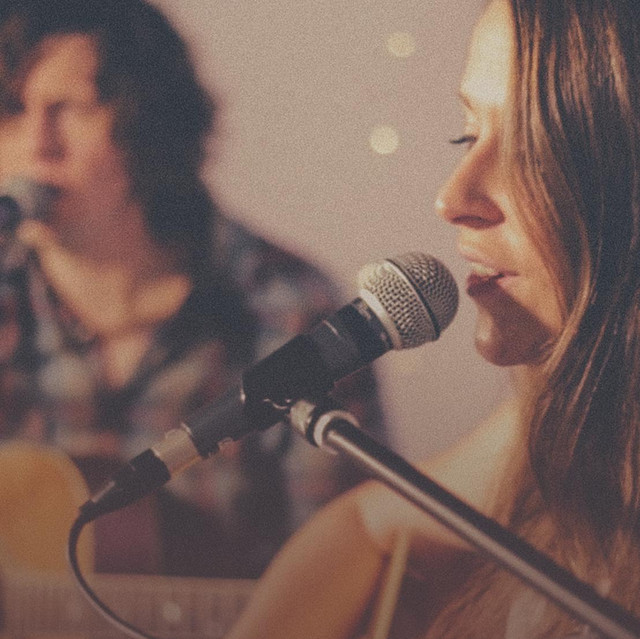
Acoustic cover is a performance-centered style where existing songs are reinterpreted with mostly acoustic instruments—most commonly voice and acoustic guitar or piano. The focus is on stripping arrangements down to melody, harmony, and lyric, revealing the core songwriting beneath the original production.

The style prioritizes intimacy, natural timbres, and dynamic nuance. Artists often reshape pop, rock, and R&B hits into gentler, folk-leaning versions, modulate keys to suit their voice, and simplify rhythms to foreground storytelling. The result is a familiar song reframed with a coffeehouse, singer‑songwriter sensibility.

History

Roots and precursors (1960s–1980s)

The acoustic cover’s DNA comes from folk and singer‑songwriter traditions, where artists routinely interpreted others’ material with voice and guitar. Coffeehouse culture and folk revival repertoires normalized the idea that a song can live many lives outside its original arrangement.

Unplugged mainstreaming (1990s)

The 1990s popularized the "unplugged" aesthetic through television formats like MTV Unplugged in the United States. Major artists presented stripped-back versions of their own hits and occasionally covered peers, proving that intimate, acoustic reinterpretation could be both commercially viable and emotionally resonant for mainstream audiences.

Platform era and YouTube boom (late 2000s–2010s)

With the rise of YouTube and affordable home recording, a new generation of independent performers built careers by releasing acoustic covers of charting songs soon after release. Frequent uploads, search discoverability, and audience requests helped define the format. Collaborations and multi-artist channels further accelerated the style’s reach, and streaming playlists codified the sound for casual listening.

Present day

Acoustic cover remains a ubiquitous format for content creators, live lounge sessions, and brand-friendly performances. It continues to influence bedroom pop practices, social media-native pop strategies, and the broader culture of re-arrangement, where artists showcase interpretive skill, vocal tone, and arrangement taste as a calling card.

How to make a track in this genre

Core instrumentation
•   Start with voice plus one acoustic instrument: steel- or nylon‑string guitar, or piano. Add light percussion (shaker, cajón) or subtle strings only if they serve the song. •   Use natural timbres; avoid heavy processing so the performance feels intimate and direct.
Harmony and key
•   Choose a key tailored to the vocalist’s range; transposition is expected in covers. •   Simplify complex harmony to open chords or diatonic progressions, or reharmonize tastefully (e.g., add ii–V turnarounds, relative minor shifts) to create a fresh color.
Rhythm and groove
•   Favor steady, relaxed tempos. Guitarists can mix fingerpicking and light strumming to create motion without density. •   Use dynamic swells (e.g., arpeggios in verses, fuller strums or octaves in choruses) to shape the arc.
Arrangement and interpretation
•   Identify the song’s hook and lyrics that carry emotion; build around those. •   Strip non‑essential countermelodies; replace production hooks with acoustic motifs (e.g., a guitar intro that paraphrases the original synth line). •   Consider structure tweaks—shorter intros, added breakdown, or a key change for the final chorus—to keep attention.
Vocal approach and lyrics
•   Prioritize clear diction and close‑mic intimacy. Use tasteful ornamentation (slides, soft falsetto, harmonies) rather than melisma-heavy displays. •   If harmonies are available, add a third-above or sixth-below in choruses for warmth.
Recording and production
•   Use a cardioid condenser on vocals and a separate mic (or stereo pair) on guitar/piano. Record in a quiet space; control reverb with room treatment rather than plugins when possible. •   Apply minimal post-processing: gentle compression, high‑pass filtering, and a short plate or room reverb to preserve the natural feel.
Performance tips
•   Maintain eye‑contact energy in video settings; visual intimacy supports the sonic aesthetic. •   Keep arrangements concise (2.5–3.5 minutes) for attention economy on social platforms.

Top tracks

Locked
Share your favorite track to unlock other users’ top tracks
Influenced by
Has influenced
Challenges
Digger Battle
Let's see who can find the best track in this genre
© 2025 Melodigging
Melodding was created as a tribute to Every Noise at Once, which inspired us to help curious minds keep digging into music's ever-evolving genres.
Buy me a coffee for Melodigging