Your digging level
Description
Indiecoustica blends the intimacy of acoustic singer‑songwriter traditions with the melodic sensibilities of indie pop and the organic warmth of indie folk.
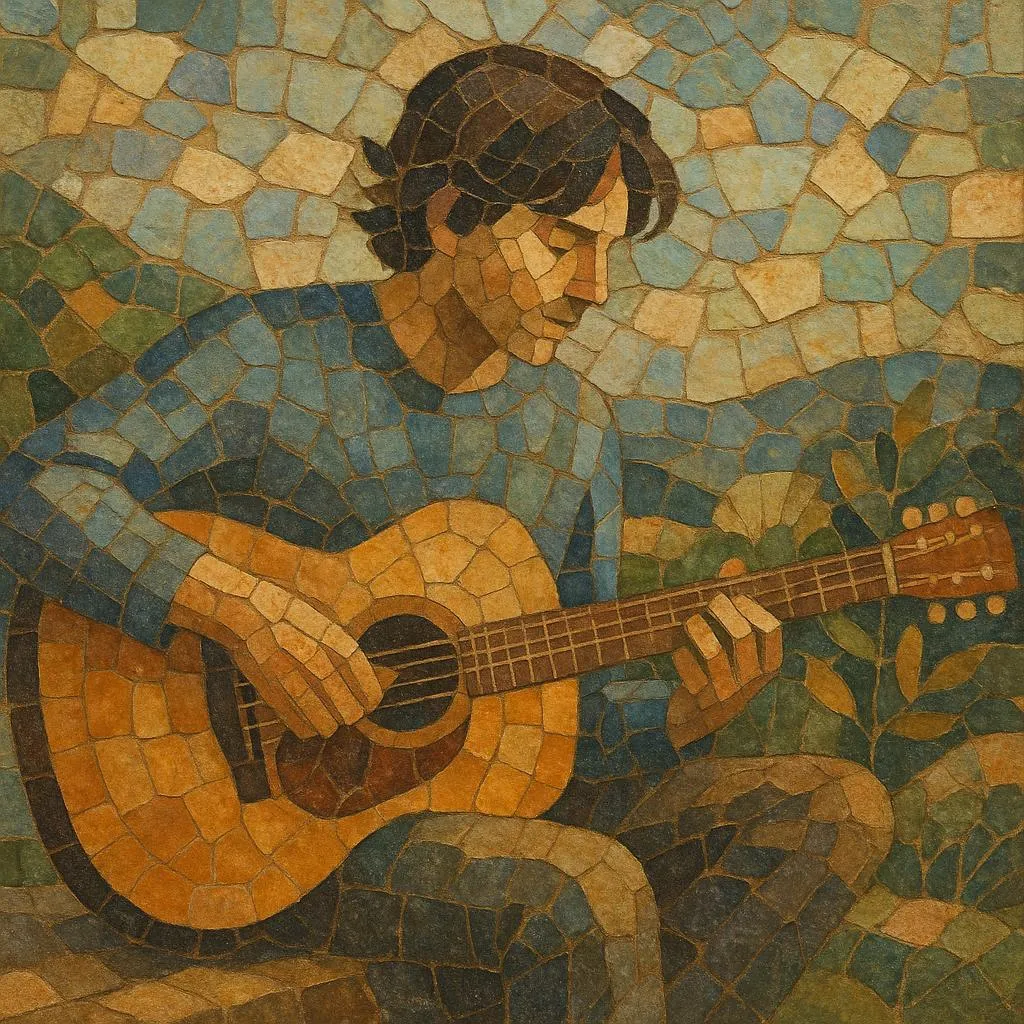
Typically centered on fingerpicked or lightly strummed acoustic guitar (often paired with piano, soft percussion, and stacked vocal harmonies), the style favors close‑mic'd vocals, gentle dynamics, and evocative, cinematic builds. Its songs are crafted for emotional immediacy and clarity, making the genre a frequent fit for sync placements in film, television, and branded content.
Arrangements are spacious and textural rather than dense, using handclaps, stomps, shakers, glockenspiel, and subtle strings to add lift without overpowering the core acoustic performance.
History
Indiecoustica coalesced in the 2010s as streaming platforms, bedroom production tools, and sync‑driven music briefs elevated a specific strain of indie rooted in acoustic performance. It drew heavily from the 2000s indie folk revival and the enduring singer‑songwriter tradition, but adopted brighter hooks, lush vocal stacks, and modern pop songcraft.
The genre’s defining qualities—intimate vocals, lightly textured percussion, clean acoustic guitar, and restrained orchestration—were shaped by the need for music that could sit under dialogue, montages, and lifestyle media while still delivering a memorable chorus. Mid‑tempo grooves, major‑key optimism, and universal, reflective lyrics helped it travel globally.
As playlists and music libraries categorized micro‑scenes more finely, “indie + acoustic” coalesced into a recognizable tag. Producers and artists began writing with sync in mind: clear structure, contagious "ooh/ah" or wordless hooks, and tasteful dynamic lifts. This broadened the audience beyond traditional indie listeners to include casual, lifestyle, and study‑music audiences.
While the idiom was incubated largely in the United States, its aesthetics spread quickly to the UK, Europe, and Oceania. International acts adopted the palette—acoustic foundations, soft cinematic crescendos, and pastoral imagery—creating a wide network of regional scenes that still share common production and songwriting DNA.