Your digging level
Description
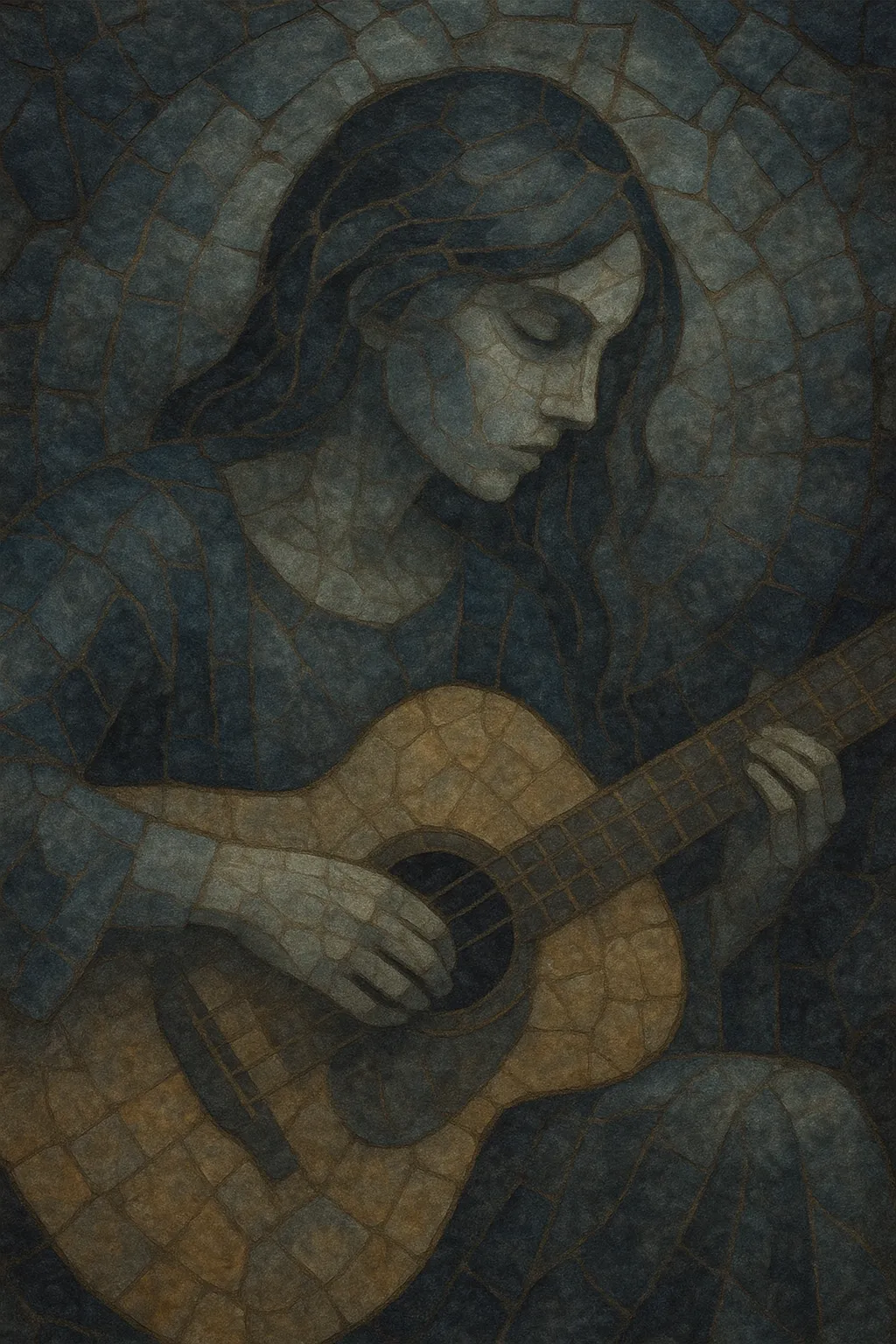
Ectofolk is a spectral, reverb-soaked strain of contemporary folk that blends intimate singer‑songwriter writing with the hazy atmospherics of dream pop and ethereal wave.
Characterized by airy, breathy vocals, fingerpicked guitars, distant drones, and cavernous room ambience, it evokes a ghostly, liminal mood—more twilight confessional than campfire song. The songs often move at unhurried tempos, hinge on minor/modal harmonies, and frame personal or uncanny imagery inside spacious, cinematic mixes.
History
Ectofolk coalesced in the 2000s as indie folk artists began absorbing the misty textures of dream pop and the choral, reverb-heavy ambience of ethereal wave. Rather than the rustic clarity of traditional or revival folk, these musicians favored soft-focus production, spectral vocal layering, and minimal percussion, cultivating an intimate yet otherworldly atmosphere.
Across the 2010s, a wave of singer‑songwriters and art‑folk performers refined the language: slow, minor-key laments framed by tape hiss, cavernous reverb, bowed strings or synth pads, and field‑recording patina. Streaming-era discovery and playlist culture popularized the style’s “haunted bedroom” aesthetic, placing ectofolk alongside ambient folk and sad lo‑fi in late‑night listening contexts.
Today, ectofolk sits at the crossroads of indie folk, ambient, and dark-tinged art pop. It remains a favored palette for artists aiming at confessional storytelling wrapped in nocturnal, cinematic space—equally at home in headphones as on arthouse stages.
Start with a close-mic’d acoustic guitar (fingerpicking or gentle arpeggios). Add soft drones via bowed strings, harmonium, synth pads, or e-bowed electric guitar. Use sparse percussion (low toms, brushed snare, or subtle heartbeat kicks), if any.
Favor minor keys and modal colors (Aeolian, Dorian). Keep tempos slow to medium-slow (55–85 BPM). Allow phrases to breathe; use rubato passages or sustained pads that blur strict meter.
Employ intimate, close-up vocals with layered harmonies or octave doubles, often drenched in plate or hall reverb. Melodic contours should be simple and singable, with occasional leaps that feel yearning rather than showy.
Write in a confessional, imagistic mode—memory, nocturnal landscapes, hauntings, dreams, and liminal spaces. Concrete details (weather, rooms, objects) help anchor the haze.
Keep arrangements minimal; prioritize negative space. Use long-tailed reverbs, gentle tape/room saturation, and light delay to create depth. High-pass mud, soften transients, and let textures (hiss, field recordings, pedal noise) become part of the emotional fabric.
Build songs in layers: guitar + voice, then quiet pads/drones, then a single melodic counterline (cello, piano, or synth). Reserve dynamic growth for late-song swells rather than big choruses.