Your digging level for this genre

0/8
🏆
Sign in, then listen to this genre to level up

Description

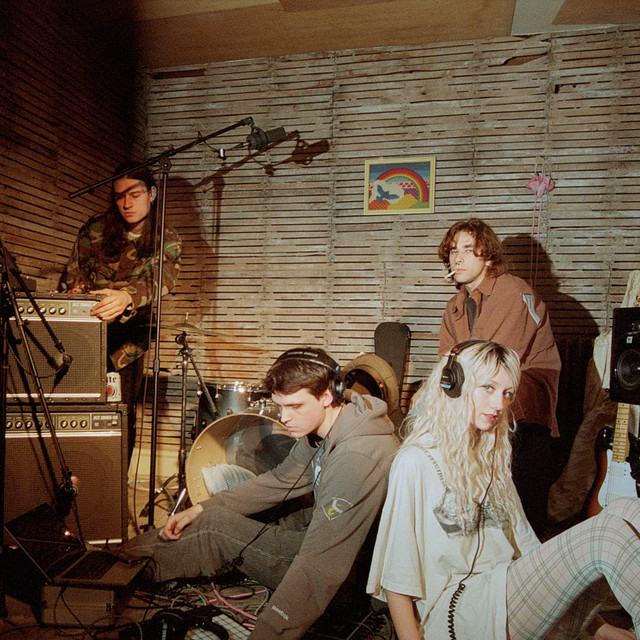
Pennsylvania shoegaze is a regional strand of the modern U.S. shoegaze revival centered around Philadelphia, Pittsburgh, and northeastern Pennsylvania. It pairs dense, effects-heavy guitar textures and hushed vocals with the grit and urgency of the state’s hardcore/emo and DIY house-show lineage.

Compared with classic British shoegaze, the Pennsylvania sound often feels rougher around the edges: fuzz and blown‑out bass sit alongside shimmering reverb, while lo‑fi recording choices, sample collage, and occasional breakbeat or post‑hardcore inflections give it a contemporary, internet‑native edge. The mood is usually dreamy yet bruised—nostalgic, melancholic, and distinctly urban.

History

Roots and local precursors (1990s–2000s)

While shoegaze originated in the UK in the early 1990s, Pennsylvania had its own psych- and noise-leaning antecedents—most notably Philadelphia’s underground scenes where feedback, drones, and long-form guitar explorations were already part of the vocabulary. These local tendencies created fertile ground for a later, explicitly shoegaze revival.

2010s: Revival and scene-building

The 2010s saw a surge of Pennsylvania bands adopting and updating shoegaze. Philadelphia became a hub, with groups marrying thick, pedal-driven guitar walls and breathy vocals to a DIY ethos inherited from the region’s hardcore and emo circuits. House shows, small clubs, and indie labels helped the sound cohere into a recognizable regional flavor. Acts from Doylestown and Kingston added grunge and post-hardcore weight, placing Pennsylvania on the U.S. shoegaze map.

2020s: Expansion and hybridization

In the 2020s, a new wave pushed the style into even more experimental territory. Philadelphia outfits integrated sampler-driven interludes, glitch, drum breaks, and harsh noise into gauzy dream-pop frameworks, while Pittsburgh contributed noisy, hook-forward variants. Bandcamp-era discovery and touring between DIY venues knitted the state’s scenes together and broadcast the sound globally.

Aesthetic traits and legacy

The Pennsylvania approach is often heavier and more tactile than its UK forebears: bass-forward mixes, clipping fuzz, and tactile room bleed are common, but the core remains a euphoric blur of harmony and texture. The scene has helped fuel wider American and online-native “zoomergaze” movements, demonstrating how shoegaze can absorb emo, noise, and experimental production without losing its dreamlike core.

How to make a track in this genre

Instrumentation and tone
•   Use two or more electric guitars, bass, drums, and optional samplers/synths. Aim for a thick, saturated wall of sound. •   Core pedals: fuzz/distortion (e.g., Big Muff/RAT), multiple reverbs (plate/shimmer), analog/digital delay, chorus/flanger, and occasional pitch/mod pedals. Stack gain stages lightly to keep sustain without losing note definition. •   Tunings: standard or drop tunings (e.g., Drop D) and open voicings. Layer tracks with slight detunes for width.
Harmony, melody, and texture
•   Favor simple diatonic/mode-based progressions (I–IV–vi–V, or modal centers like Dorian/Mixolydian). Use add9/sus2/sus4 chords and drones to keep harmony hovering. •   Write vocal lines that are soft, breathy, and often double‑tracked; sit them low in the mix so they blend as an instrument. •   Build density by overdubbing multiple complementary parts: one “bed” of sustained chords, one moving arpeggio/delay line, and one feedback/noise layer riding swells.
Rhythm and groove
•   Mid-tempo backbeats (≈ 70–110 BPM) are common; let drums be roomy and natural. For a modern Philly/Pittsburgh twist, incorporate lo‑fi breakbeats or halftime patterns under the haze on select sections. •   Bass should be present and slightly overdriven, often playing sustained roots or simple melodic countermelodies to glue the mix.
Arrangement and production
•   Use dynamic swells and contrast: quiet, airy verses that crest into towering choruses. Employ ebow/volume pedal swells or reverse reverb for transitions. •   Blend hi‑fi shimmer with lo‑fi grit: parallel compression on drums, gentle tape saturation or clipping on guitars, and reamp samples into a room to add glue. •   Keep lyrics impressionistic—memory fragments, city nights, relationships in decay—delivered with restraint.
Workflow tips
•   Start with a drone or two-chord loop; layer textures until a mood emerges, then sculpt sections by muting/unmuting elements. •   Print effects to audio to commit to textures, and automate reverb/delay sends to make the mix breathe.

Top tracks

Locked
Share your favorite track to unlock other users’ top tracks
Influenced by
Challenges
Digger Battle
Let's see who can find the best track in this genre
© 2025 Melodigging
Melodding was created as a tribute to Every Noise at Once, which inspired us to help curious minds keep digging into music's ever-evolving genres.
Buy me a coffee for Melodigging