Your digging level
Description
Shiver pop is a micro-genre of indie/electronic pop marked by intimate, breathy vocals, sparse percussion, and hazy, glacial synth textures that feel like a gentle shiver under the skin.
It blends the melancholy glow of dream pop with minimal, modern electropop production: soft kick-and-snap beats, sub‑bass murmurs, reverb‑soaked pads, and understated hooks. Lyrically it gravitates toward fragile romance, urban solitude, and late‑night reflection, delivering catharsis through restraint rather than bombast.
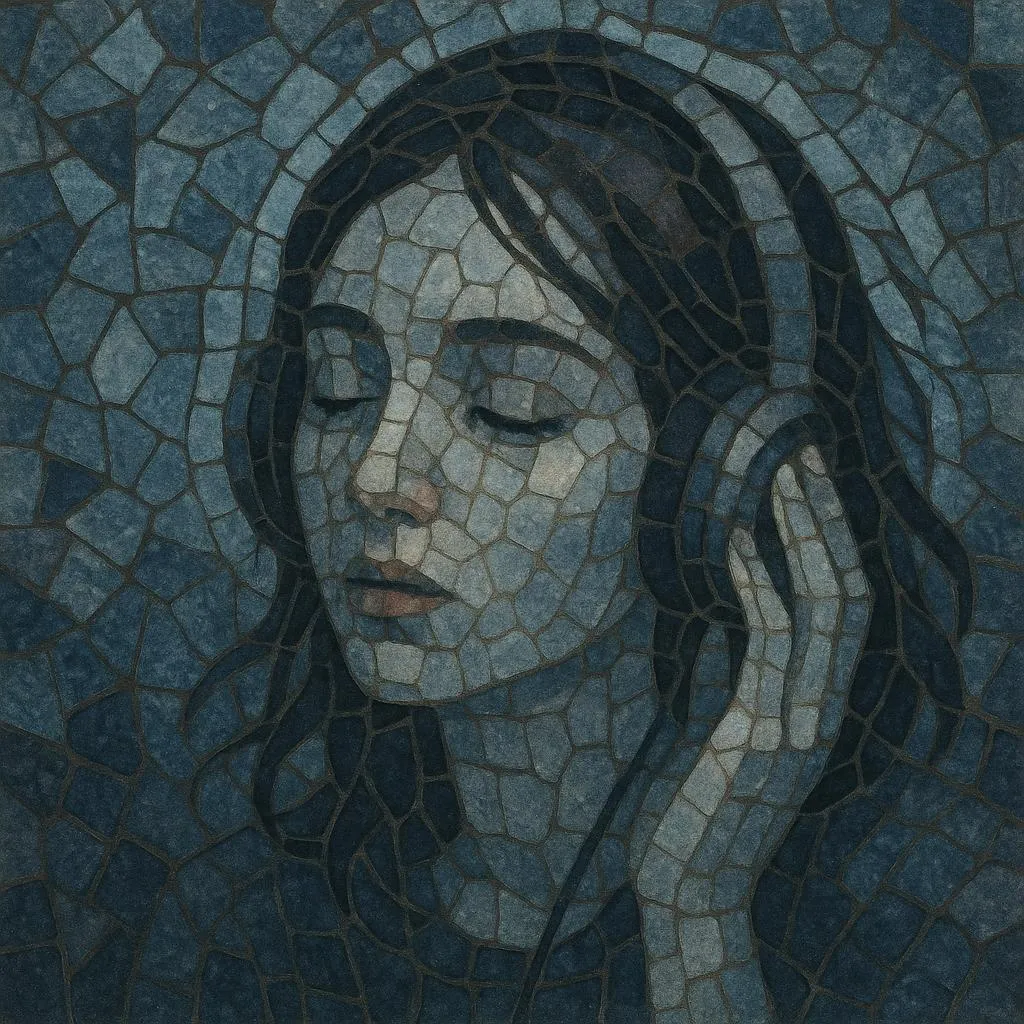
The mood is subdued yet luminous—music that sits between the bedroom and the club, built for twilight commutes and quiet headphones listening.
History
Shiver pop emerged as blog-era indie and post-MySpace electronic scenes blurred into one another. Artists influenced by dream pop’s gauzy guitars and synth-pop’s crystalline hooks began dialing back tempos and dynamics, favoring negative space, whisper-close vocals, and minimalist beats. The aesthetics of chillwave (lo-fi nostalgia, VHS haze) and minimal synth also informed the sound, while alternative R&B’s intimacy shaped vocal delivery.
Early traction came via tastemaker blogs, Bandcamp/ SoundCloud communities, and small labels that favored mood over maximalism. As streaming platforms introduced granular mapping of tastes, the “shiver pop” tag coalesced into a recognizable cluster: emotive, slow-bloom pop songs sitting between bedroom songwriting and restrained club production.
Typical traits solidified: 60–100 BPM pulses, sidechain‑lite low end, glassy pads, chorus‑washed guitars, and tender, confessional lyricism. Mixes left generous headroom and air, letting reverbs and delays paint the edges. The result felt both contemporary and timeless—pop songs that glimmer rather than blaze.
Through the mid‑to‑late 2010s, shiver pop’s palette seeped into chill‑oriented playlists and adjacent genres (chill pop, sad pop, indie dream pop). Its emphasis on intimacy, soft saturation, and unforced hooks remains a common blueprint for mood‑forward pop in the streaming era.