Your digging level
Description
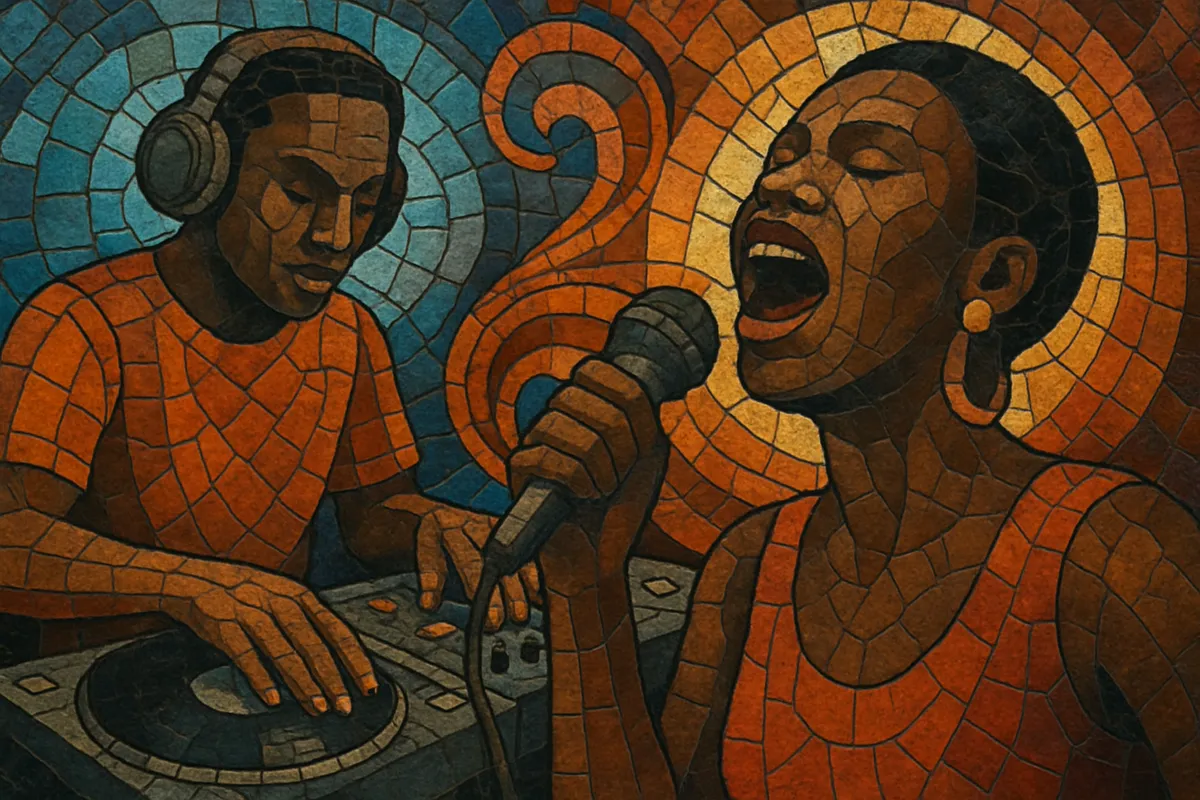
Garage house (often called US garage or New York/New Jersey garage) is a soulful, vocal-driven strain of house music that coalesced around the Paradise Garage in New York and the Zanzibar in Newark in the mid-to-late 1980s.
It blends the four-on-the-floor pulse of early house with the lush orchestration and harmonies of disco, boogie, Philly soul, gospel, and contemporary R&B. Typical tracks feature warm chords (piano, Rhodes, or the Korg M1 organ), call-and-response vocals, syncopated basslines, shuffling hi-hats, and rich, uplifting arrangements designed for extended club mixes.
Where Chicago house often emphasized minimal drum-machine jack tracks, garage house foregrounded songcraft—hooks, bridges, key changes, and church-influenced vocal performances—giving the genre a deeply emotive, dancefloor-focused character.

History
Garage house emerged from New York City and New Jersey club culture, taking its name from the Paradise Garage, where DJ Larry Levan’s expansive, song-centered sets and dub-informed edits shaped a new approach to post-disco dance music. At Newark’s Club Zanzibar, Tony Humphries cultivated a parallel sound that emphasized gospel-rooted vocals, sophisticated chord progressions, and groove-forward basslines. Producers and musicians like Boyd Jarvis and Timmy Regisford fused live instrumentation with drum machines, turning R&B and disco aesthetics into a distinct house idiom.
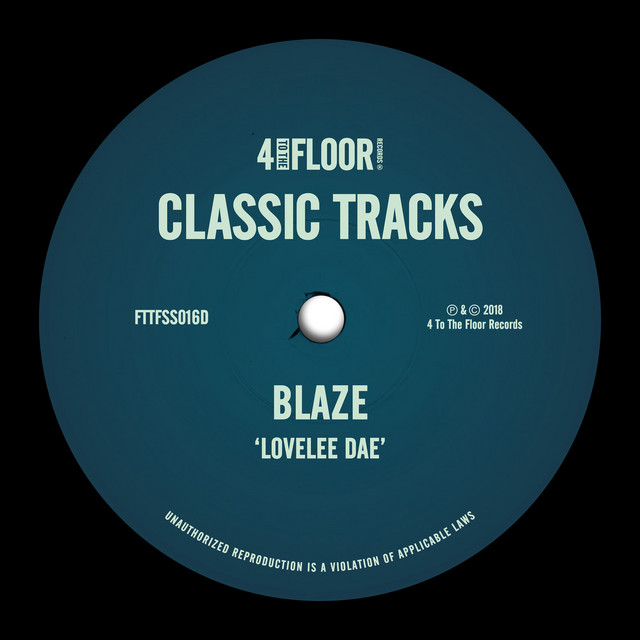
As Chicago house spread worldwide, East Coast artists refined a more melodic, soul-steeped variant. Garage house foregrounded singers and strong songwriting, often using extended mixes for DJs. Labels and production teams (e.g., Blaze; Masters At Work) helped codify the palette: M1 organ and piano stabs, Rhodes chords, congas and shakers, and warm, rolling bass. This period produced enduring vocal anthems and a studio craft that prized musicality alongside club functionality.
UK DJs and producers absorbed New York/New Jersey garage house, inspiring the rise of UK garage and, later, speed garage and 2‑step. While the UK forms skewed more syncopated and bass-centric, they retained garage house’s soulful harmonies and vocal focus. Stateside, garage’s DNA carried into deep house and vocal house, keeping the tradition of song-led, emotionally resonant dance music alive.
Garage house remains a cornerstone of soulful dance music. Its emphasis on live-feel musicianship and gospel/R&B vocal traditions continues to inform deep house, vocal house, and contemporary club songwriting, while its classic records still anchor sets in house-oriented clubs around the world.