Your digging level

For this genre
0/8
🏆
Sign in, then listen to this genre to level up

Description

Classic dubstep is the original, early- to mid‑2000s South London sound built around weighty sub‑bass, sparse half‑time drums at roughly 140 BPM, and the cavernous space of dub sound‑system culture.

It favors minimal, head‑down grooves, skippy UK garage hi‑hat swing, and subtly modulated basslines over the midrange aggression that later defined mainstream “brostep.”

Atmospheres are dusky and noir, with tape‑echoes, reverb tails, and MC snippets hovering over tightly controlled low end designed for big systems and intimate clubs.

Sources: Spotify, Wikipedia, Discogs, Rate Your Music, MusicBrainz, and other online sources

History

Origins (early 2000s)

Classic dubstep emerged in South London from producers and DJs orbiting UK garage’s darker edges. Drawing on dub reggae’s sound‑system emphasis, jungle/drum & bass bass‑science, 2‑step’s swing, and techno’s reductionism, early tracks emphasized sub‑bass and space. Key hubs included the FWD>> night at Plastic People and the Tempa label, where DJs like Hatcha and Youngsta tested dubplates.

Consolidation (2003–2006)

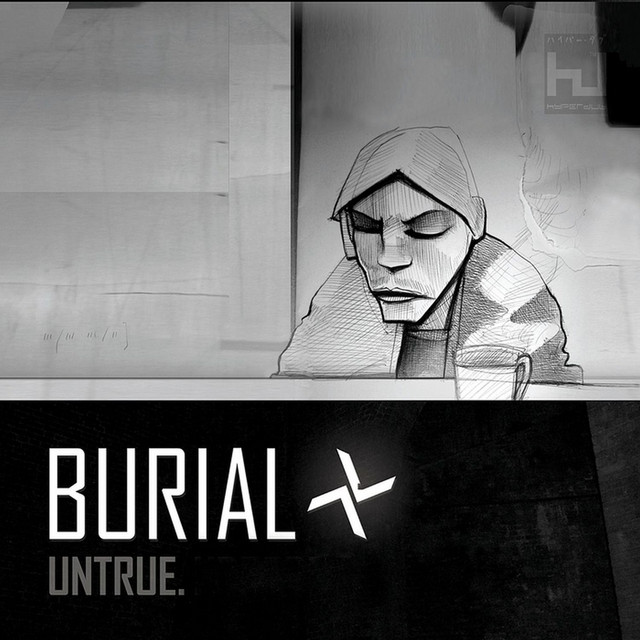
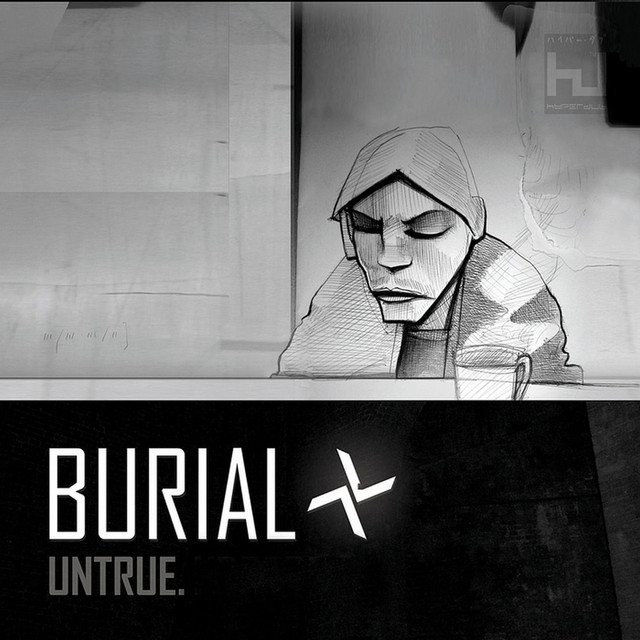
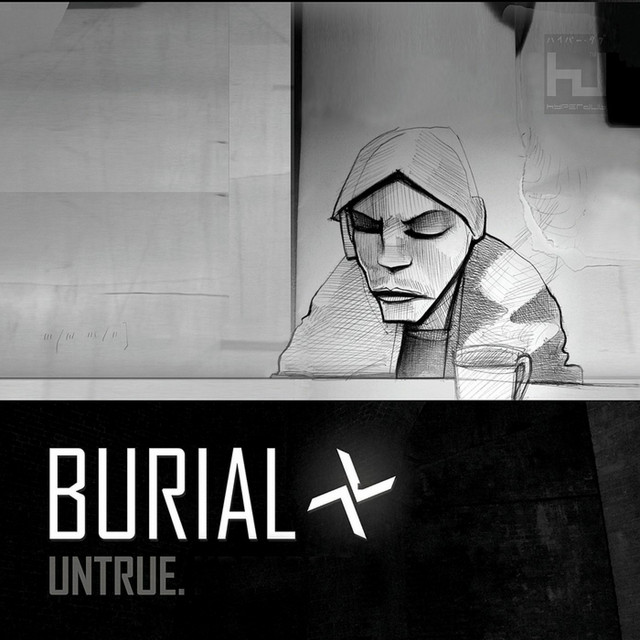
Crews and labels crystalized the sound: DMZ (Mala, Coki, Loefah) launched both a label and the seminal DMZ night in Brixton; Horsepower Productions, Skream, Benga, Distance, Kode9, and others defined the palette. Skream’s “Midnight Request Line” (2005) signaled a wider crossover, while Hyperdub releases (e.g., Burial’s 2006 debut) showcased atmospheric, melancholic variants. Mary Anne Hobbs’s 2006 BBC broadcast (“Dubstep Warz”) introduced the movement globally.

Breakout and mutation (2006–2009)

The sound spread across the UK (Bristol via Pinch and Tectonic) and abroad. Mix series like Tempa’s Dubstep Allstars documented the scene. As dubstep’s profile grew, a parallel, more midrange‑forward festival strain developed, especially outside the UK.

Legacy (2010s–present)

While louder offshoots dominated mainstream attention, the classic, deep style continued in dedicated circuits (e.g., DEEP MEDi Musik, System nights). Its DNA seeded UK bass, wave, chillstep, melodic dubstep, and elements of EDM trap and bass house. Classic dubstep remains a reference point for sub‑focused, minimalist club production.

How to make a track in this genre

Tempo & rhythm
•   Aim for ~140 BPM with a half‑time feel (kick on 1, snare on 3) and swung, syncopated hi‑hats inherited from UK garage. •   Use negative space; let the groove breathe rather than filling every bar.
Drums
•   Tight, punchy kick and a snare with body (layered acoustic/foley can work). Keep transient clarity. •   Program shuffling hats and ghost notes; subtle triplets and off‑grid nudges add swing.
Bass & sub
•   Build around a dominant sub (often sine/triangle or cleanly filtered). Target fundamentals around 40–60 Hz and keep it mostly mono. •   Modulate with slow LFOs/envelopes for movement (wobbles are subtle, not midrange‑saw heavy). Prioritize weight over brightness.
Sound design & FX
•   Dub aesthetics: tape‑echo feedbacks, spring/plate reverbs, filter sweeps, and occasional sirens/MC phrases. •   Use minimal melodic content and focus on texture: filtered chords, vinyl crackle, distant pads.
Harmony & atmosphere
•   Favor minor modes (Aeolian, Phrygian) or modal drones. One‑ or two‑chord vamps are common. •   Call‑and‑response between sub motifs and percussive stabs keeps interest without crowding the mix.
Arrangement & mix
•   DJ‑friendly intros/outros with sparse drums or atmosphere; main “drop” often at bar 17. •   Carve space with high‑pass filters on everything but the sub; sidechain gently to maintain kick clarity. •   Test on a system with real sub extension; the genre lives or dies by translation on big rigs.
Performance & context
•   Leave headroom (−6 dB) for club playback. Keep midrange restrained to avoid harshness. •   Think in dub: versioning your own tune live with mutes, delays, and filter rides is part of the performance tradition.

Related labels

Top tracks

Locked
Share your favorite track to unlock other users’ top tracks
Influenced by
Has influenced
Challenges
Digger Battle
Let's see who can find the best track in this genre
© 2026 Melodigging
Melodding was created as a tribute to Every Noise at Once, which inspired us to help curious minds keep digging into music's ever-evolving genres.
Buy me a coffee for Melodigging