Your digging level
Description
Zess is a contemporary street‑party sound from Trinidad and Tobago that crystallized in the late 2010s among working‑class youth.
Musically it blends soca’s call‑and‑response hooks and carnival energy with trap/dancehall drum programming, 808‑heavy low end, and Auto‑Tuned sing‑rap flows. Tempos are slower than power soca, and minor‑key melodies plus sub‑bass weight create a darker, bass‑forward club feel.
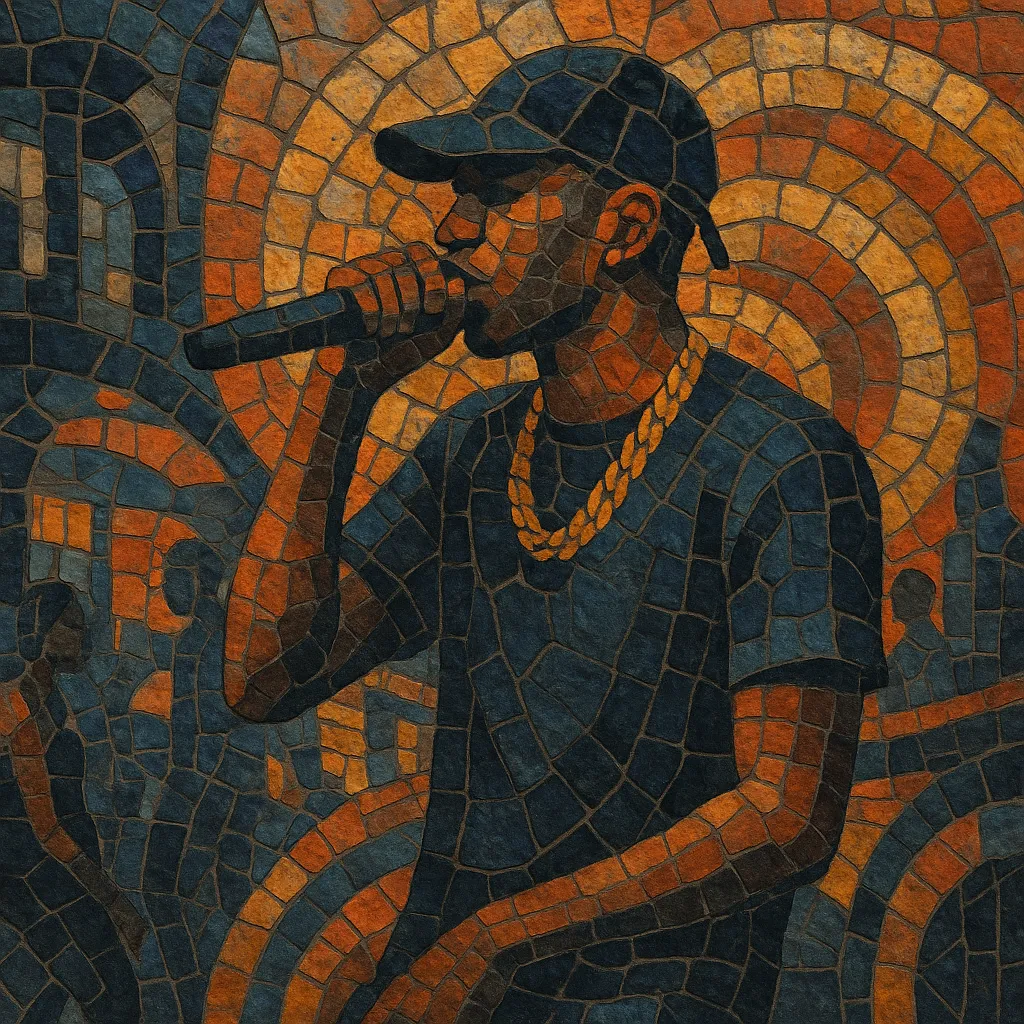
Lyrically, zess is provocative: sexual bravado, street talk, and occasional gang‑related themes sit alongside celebratory “liming” and party anthems. The culture around it—often called the “zesser” movement—centers fashion, swagger, and Trinidadian Creole slang while keeping the music firmly aimed at dancing.

History
Zess took shape in Trinidad and Tobago’s urban communities in the late 2010s. Young artists fused soca’s hook‑writing and party ethos with the half‑time thump of trap and the cadences of modern dancehall, while borrowing occasional textures and percussion ideas from Brazil’s funk brasileiro.
By 2019–2020, viral singles, street videos, and club mixes codified the sound and the lifestyle of the “zesser”—flashy dress, brash confidence, and Creole‑heavy slang. Tracks like Trinidad Ghost’s “Zesser” helped put the term in heavy circulation, and major Carnival platforms briefly spotlighted the wave as a youth‑driven movement.
As it spread, zess fed back into mainstream soca and local dancehall: slower, bass‑driven riddims and Auto‑Tuned toplines began appearing alongside carnival‑ready soca. In parallel, a darker dancehall‑leaning lane (often called Trinibad) absorbed zess’s flows and imagery, showing the scene’s porous borders.
Zess remains a bass‑first, hook‑centered club style that documents Trinidadian street life and party culture. It continues to evolve through YouTube/streaming singles, mixtapes, and fete circuits, with artists oscillating between soca seasons and year‑round zess releases.