Your digging level
Description
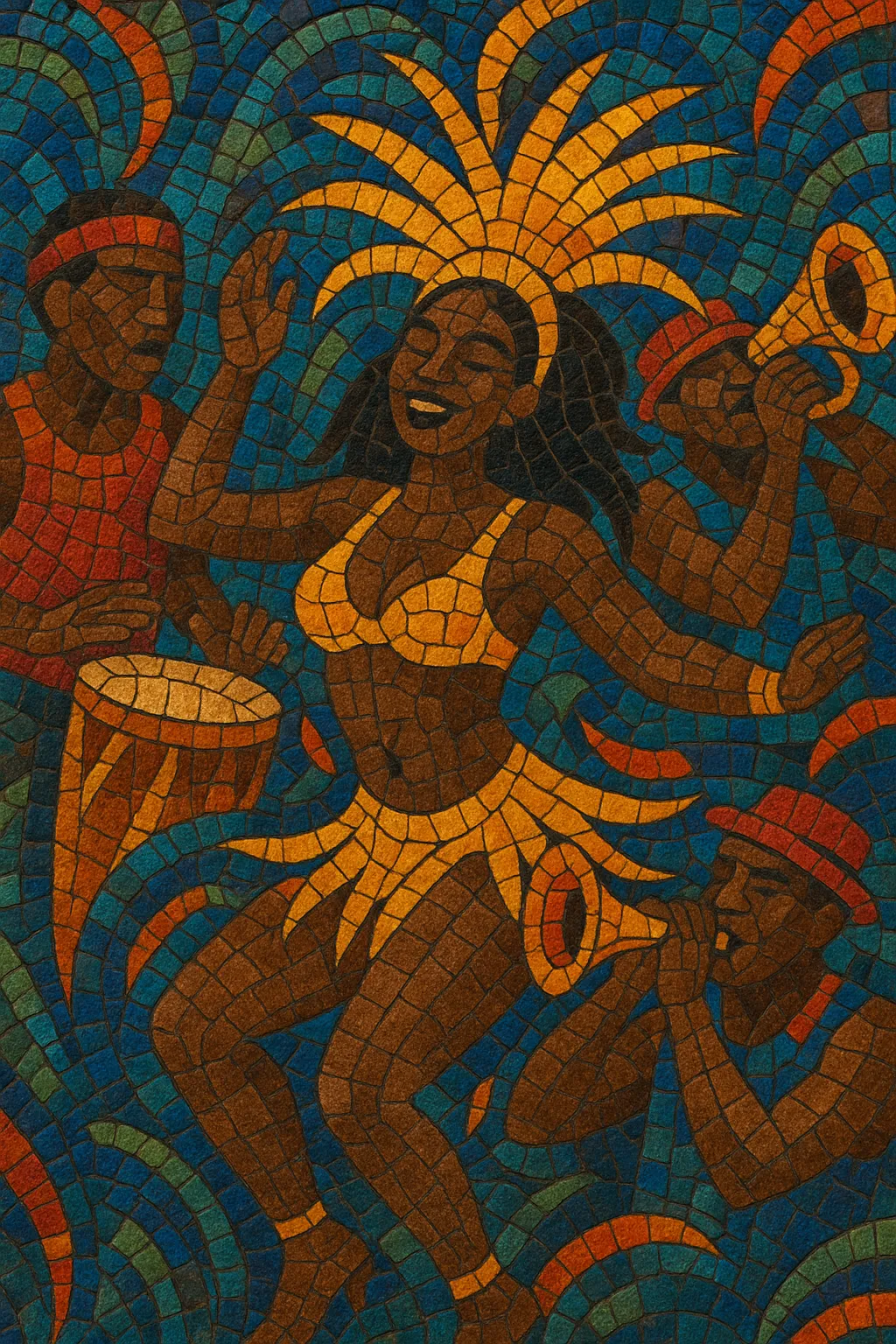
Soca is a high‑energy dance music from Trinidad and Tobago that emerged in the early 1970s as a modernized offshoot of calypso.
It blends calypso’s witty lyricism and call‑and‑response with Afro‑Caribbean percussion, East Indian rhythmic accents, and contemporary funk/disco/pop production. Typical features include a four‑on‑the‑floor kick, strong backbeat claps, driving "engine room" percussion (iron/cowbell), syncopated bass lines, bright synths or brass stabs, up‑stroke rhythm guitar, and catchy chant‑like hooks designed for crowd participation.
Tempos range from around 110–125 BPM for "groovy soca" to 150–165 BPM for "power soca," reflecting music made for Carnival fetes, road marches, and mass performance.


History
Soca arose in Trinidad and Tobago when Garfield Blackman—known as Lord Shorty and later Ras Shorty I—sought to renew calypso for younger audiences. He fused calypso’s structure and storytelling with soul, funk, disco, and Indo‑Trinidadian rhythmic ideas, coining soca as the “soul of calypso.” Early recordings like "Indrani" and the album "Endless Vibrations" (1974) defined the sound: four‑on‑the‑floor drums, tighter grooves, and chantable hooks that worked on the road during Carnival.
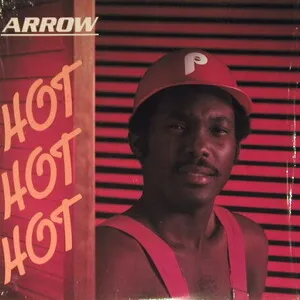
Across the 1980s, soca spread throughout the Caribbean and diaspora carnivals. Arrow (from Montserrat) delivered the global hit "Hot Hot Hot" (1982), proving soca’s crossover power. Production became more amplified and electronic, while steelband lines, brass riffs, and the Carnival “engine room” remained essential.
By the 1990s, two performance tempos crystallized: high‑velocity "power soca" for jumping and waving on the road, and mid‑tempo "groovy soca" optimized for dancing and radio. Artists like Machel Montano, Superblue, Alison Hinds, and Destra Garcia helped codify modern performance aesthetics—big hooks, call‑and‑response, and high‑impact live shows tied to Carnival competitions like Road March and Soca Monarch.
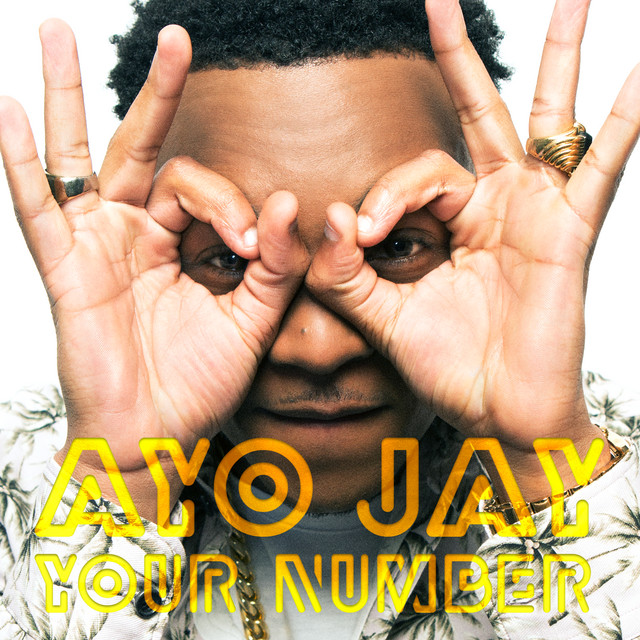
Soca increasingly interacted with dancehall, R&B, EDM, and pop. Hits and collaborations from Bunji Garlin, Kes, and Fay‑Ann Lyons circulated through Trinidad Carnival, Barbados Crop Over, Notting Hill Carnival (UK), and Toronto’s Caribana, while subregional variants (e.g., Dennery Segment in Saint Lucia) drew from soca’s rhythmic chassis.
Contemporary soca remains a living Carnival music with annual cycles of new riddims and anthems. Producers employ modern DAWs, heavy sub‑bass, and festival‑ready arrangements, while the core values—joy, community, and participatory chants—continue to drive the genre’s identity.
Decide between groovy soca (about 110–125 BPM) for smoother dancing and radio, or power soca (about 150–165 BPM) for high‑energy Carnival performance.
Use a four‑on‑the‑floor kick pattern with claps/snares on beats 2 and 4. Layer an "engine room" of percussion—iron/cowbell, shakers, congas, tom fills—to create a relentless, festive drive. Short, syncopated tom rolls (often before the chorus) help cue crowd movements (e.g., jump, wave, wine).
Write a tight, syncopated bass line that locks with the kick. Keep harmony simple and uplifting—major keys and looped, pop‑friendly progressions (e.g., I–V–vi–IV) or minor vamps for darker tension. Sustained pads and bright stabs (synth or brass) add momentum.
Craft catchy, chantable hooks with call‑and‑response phrases and easy crowd prompts ("jump," "wave," "wine"). Verses can be conversational and narrative; pre‑choruses should lift energy into a big chorus. Group backing vocals and ad‑libs amplify the communal feel.
Combine modern drum machines/DAW drums with live percussion. Add rhythm guitar upstrokes, steelpan or synth leads for local color, and brass hits for excitement. Use clean, punchy mixing with strong low‑end, crisp highs on percussion, and a forward vocal.
Structure around intro → verse → pre‑chorus → chorus (hook) → break/chant → final chorus. Include breakdowns for crowd instructions and energy resets. Build to a climactic final hook suitable for fetes and road performance.