Your digging level

For this genre
0/8
🏆
Sign in, then listen to this genre to level up

Description

Musica hondureña is the umbrella term for the traditional and popular music of Honduras. It blends Indigenous (Lenca, Chʼortiʼ, Miskitu, Pech, and others), Afro‑Caribbean Garífuna, and mestizo/Spanish roots with pan‑Latin tropical currents.

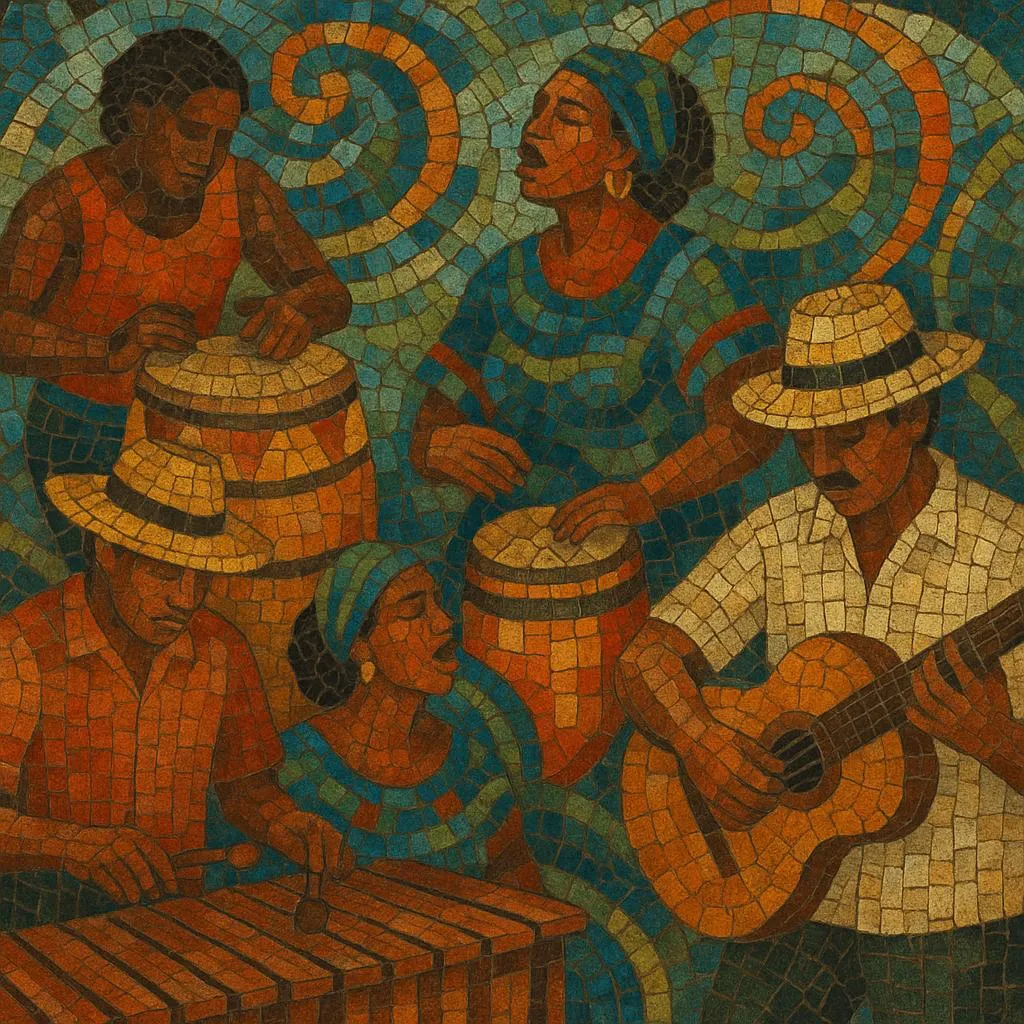
Characteristic sounds range from marimba‑driven salon and folk ensembles to coastal Garífuna styles such as punta and paranda; from street‑party cumbia and merengue to contemporary pop, rock, reggae/ska, and urban fusions. Rhythms are lively and dance‑forward on the north coast, while the interior preserves marimba pieces, guitar‑song traditions, and romantic ballads. The result is a distinctly Central American sound that still feels Caribbean at the shoreline and folkloric in the highlands.


Sources: Spotify, Wikipedia, Discogs, RYM, MB, user feedback and other online sources

History

Roots and early nation‑building (late 19th–mid 20th century)

Honduras’ musical roots braid Indigenous ritual and social music with Spanish colonial song and dance. By the early 1900s, the marimba became a key emblem of urban and rural celebrations, accompanying waltzes, polkas, mazurkas, pasillos, and locally styled salon music. Radio and civic bands helped standardize repertoires and spread regional tunes nationwide.

Afro‑Caribbean currents on the north coast

The Garífuna communities on the Caribbean littoral and Bay Islands conserved and evolved percussion‑led styles. Punta (in 6/8 with interlocking drum patterns and call‑and‑response vocals) remained central for dances and rites, while paranda developed as a reflective, guitar‑based song form. Contact with neighboring Caribbean ports brought calypso, soca, mento, and later reggae, filtering into coastal parties and bandstands.

Mid‑century tropicalization

From the 1940s–1970s, marimba orquestas, bolero trios, and dance bands embraced broader Latin tropical currents: son cubano, cumbia, merengue, and salsa. Honduran singers and ensembles adapted these genres to local tastes, building a repertoire for salons, radio programs, and fiestas patronales.

Late 20th‑century popular breakthrough

In the 1980s–1990s, coastal punta leapt into national (and then international) pop consciousness via electrified bands and radio hits, while singer‑songwriters fused folk, rock, and Caribbean grooves with socially engaged lyrics. Simultaneously, cumbia and merengue bands, brass‑forward groups, and romantic balladeers strengthened a distinctly Honduran tropical pop identity.

21st century: Fusion and indie ecosystems

Since the 2000s, Tegucigalpa, San Pedro Sula, La Ceiba, and coastal towns have nurtured indie rock, reggae/ska, hip‑hop, and folk‑fusion scenes alongside enduring marimba and punta traditions. Diasporic Hondurans have amplified Garífuna paranda and punta globally, while local producers fold modern electronics into cumbia/merengue frameworks. Today, musica hondureña spans folkloric ensembles to festival stages, with tradition and innovation in constant dialogue.

How to make a track in this genre

Core rhythmic vocabularies
•   Punta: Use a 6/8 feel with interlocking drums (primero/segunda) and off‑beat accents. Create call‑and‑response phrases between lead and chorus. Bass can outline a two‑bar tumbao that locks with the segundo drum. •   Cumbia/merengue: In cumbia, ride a 4/4, medium tempo with the classic “bom‑chi‑ki‑chi” güira or shaker pattern and a syncopated bass tumbao. For merengue, increase tempo and emphasize güira + tambora drive, with punchy brass hits.
Instrumentation
•   Traditional/folkloric: Marimba (lead + accompaniment), guitars, requinto, acoustic bass, hand percussion (maracas, güiro), and indigenous/ceremonial drums where appropriate. •   Garífuna ensembles: Garawoun drums (primero/segunda), shakers, conch shell (caracol), turtle‑shell percussion (where traditional), guitar for paranda, and choral responses. •   Tropical/pop bands: Brass section (trumpets/trombones), keyboards, electric bass and guitar, drum set, güira, congas/bongos, and timbales. Add synths and samplers for modern fusions.
Harmony and melody
•   Keep harmonies approachable: I–IV–V and ii–V–I cycles dominate many dance tunes; minor‑mode vamps suit paranda’s reflective tone. Use parallel thirds/sixths in vocal harmonies for romantic ballads and marimba salon pieces. •   Melodic writing favors singable hooks. For punta and cumbia, craft short, repetitive chorus lines that invite call‑and‑response and dance.
Lyrics and form
•   Common themes: coastal life, love, celebration, humor, social observation, migration, and pride of place (towns, regions, national symbols). Alternate verse/chorus with coros montunos; insert spoken pregones for energy.
Arrangement and production tips
•   Lock percussion first; bass must dovetail with drums. Layer marimba or guitar arpeggios for brightness, and add brass riffs answering vocal hooks. •   For contemporary blends, side‑chain kick and bass for groove, tuck güira/shaker in the 8–12 kHz band for sparkle, and keep vocals upfront with light slapback or plate reverb to retain dance‑floor clarity.

Top tracks

Locked
Share your favorite track to unlock other users’ top tracks

Upcoming concerts

in this genre
Influenced by
Has influenced
No genres found

Download our mobile app

Get the Melodigging app and start digging for new genres on the go
© 2026 Melodigging
Melodding was created as a tribute to Every Noise at Once, which inspired us to help curious minds keep digging into music's ever-evolving genres.
Buy me a coffee for Melodigging