Your digging level
Description
Barbadian pop is contemporary popular music from Barbados that blends glossy global pop craft with the island’s own rhythmic DNA. It draws on soca and calypso party energy, reggae and dancehall grooves, and the local spouge tradition, then fuses these with modern R&B, hip hop, and EDM production.
The sound favors bright hooks, syncopated percussion (often dem bow and soca-driven kick patterns), and melodies that feel both tropical and cosmopolitan. Lyrics commonly celebrate romance, empowerment, and island life—sometimes peppered with Bajan Creole—while arrangements spotlight ear‑catching choruses and dance‑ready drops.
History
Barbadian pop grows from Barbados’s rich popular traditions. Spouge, a homegrown style pioneered in the 1960s, sat alongside calypso and the later rise of soca—genres that became embedded in national celebrations like Crop Over. Through the 1980s and 1990s, Barbadian artists increasingly absorbed reggae and dancehall from the wider Caribbean, while global pop and R&B aesthetics filtered in via radio, diaspora links, and touring acts.
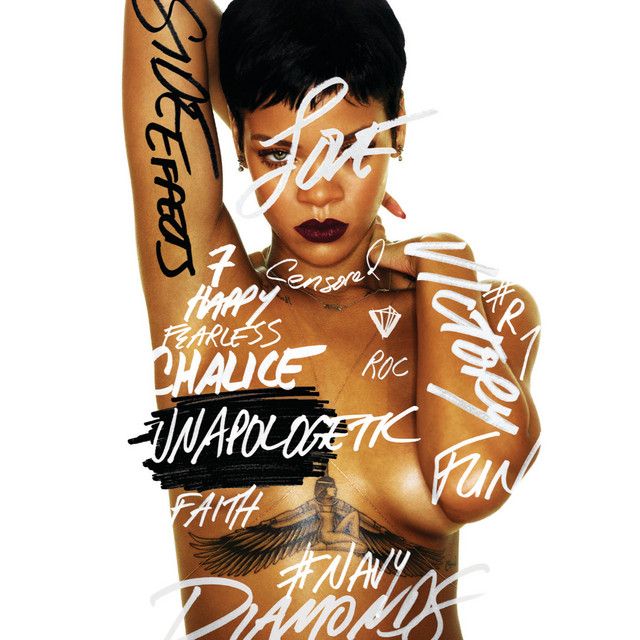
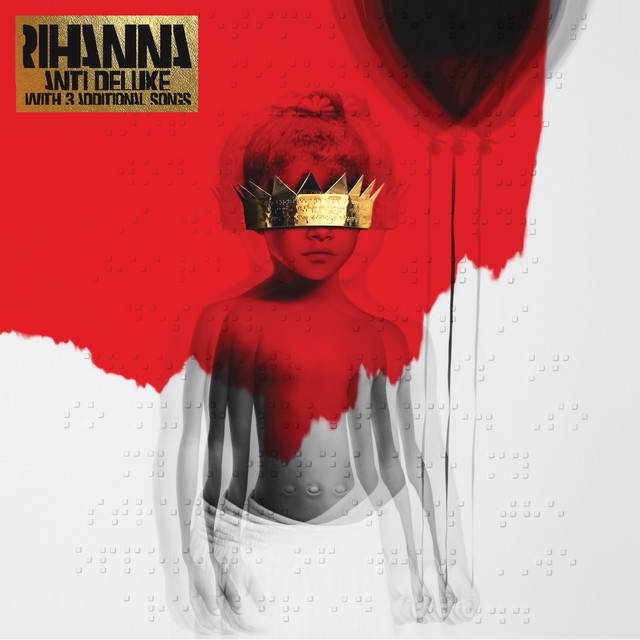
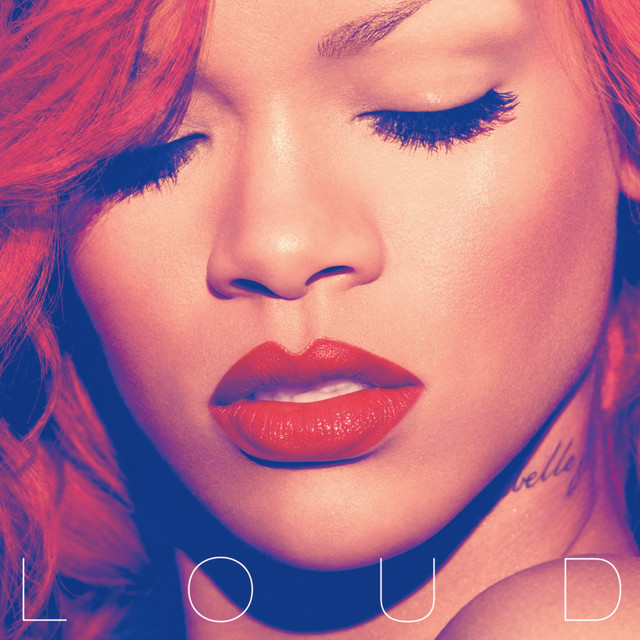
The 2000s marked a decisive leap to international stages. Rihanna’s 2005 debut fused dancehall, R&B, and sleek pop into a mass‑appeal template, turning worldwide attention to Barbados’s talent pipeline. Around the same time, soca‑leaning artists such as Rupee and Alison Hinds crossed into broader markets, and writers/performers like Shontelle and Livvi Franc showcased how Bajan songwriting could sit comfortably in mainstream pop and R&B.
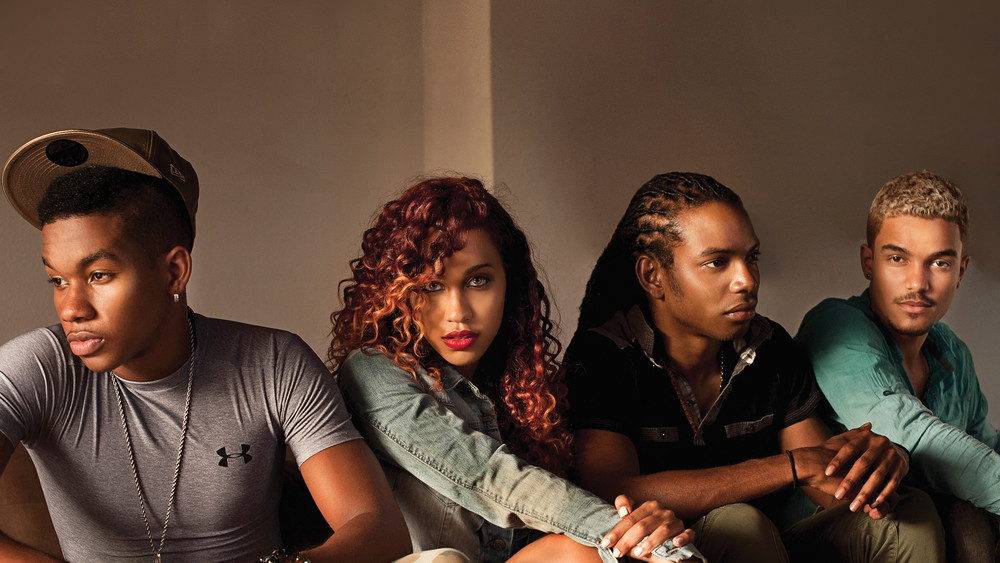
In the 2010s, acts like Cover Drive bridged UK and US charts with sun‑lit, Caribbean‑tinged pop. Streaming and social media opened direct global pathways, enabling Barbadian artists to release dancehall‑pop, EDM‑pop, and R&B‑pop hybrids without losing local rhythmic identity. Crop Over’s riddims and call‑and‑response traditions continue to inform songwriting and stagecraft, ensuring Barbadian pop remains both export‑ready and culturally grounded.

Top albums