

Your digging level
For this genre
0/8
🏆
Sign in, then listen to this genre to level up
Description
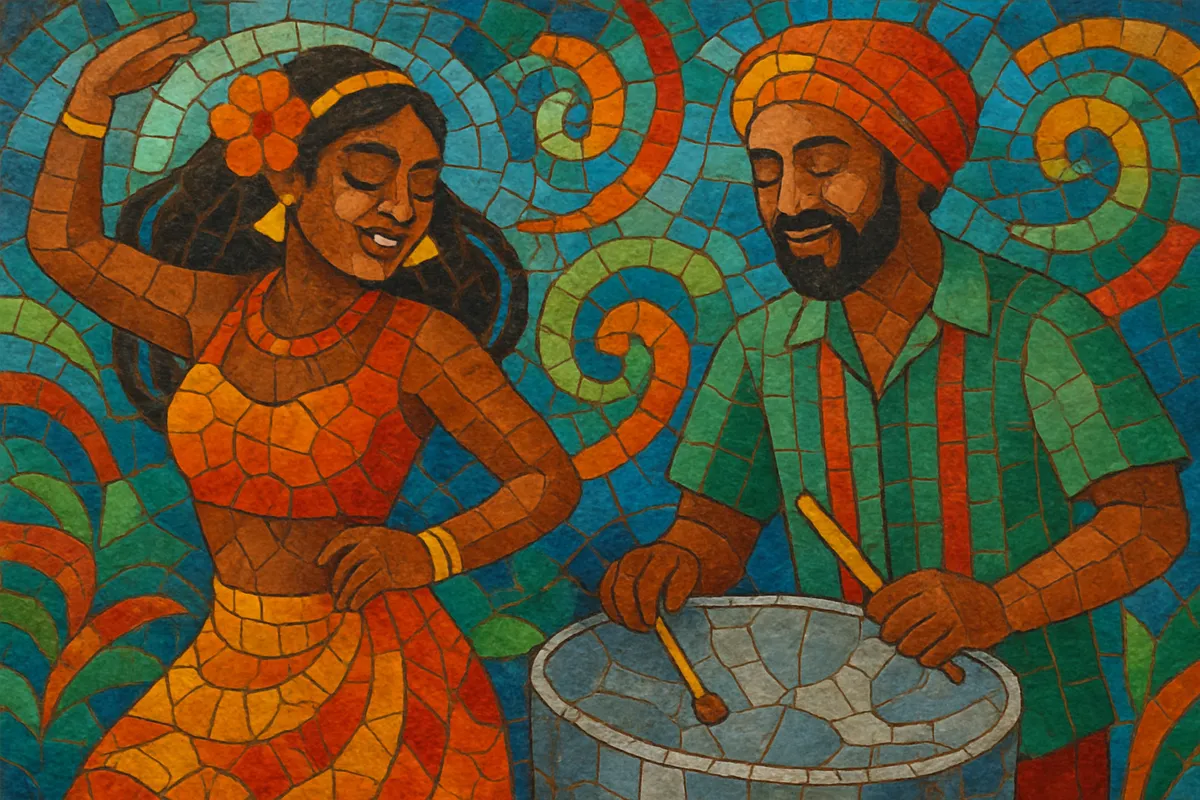
Chutney soca is a high-energy Indo-Caribbean dance music that fuses the driving 4/4 rhythms and party ethos of soca with the melodies, scales, instruments, and languages of chutney and North Indian folk traditions.
It typically blends soca’s kick-heavy groove and carnival cadence with dholak, dhantal, harmonium, and tassa drums, while vocals may switch between English/Trinidadian English Creole and Caribbean Hindustani (Bhojpuri/Hindi). The result is a joyous, celebratory sound centered on dance, romance, humor, and community identity—especially within Trinidad and Tobago’s Indo-Caribbean diaspora.

Chutney Music: The Sound of the Untold Indo-Caribbean
The Asian Chronicle
History
Origins
• Chutney soca emerged in Trinidad and Tobago in the late 1980s as a fusion of two vibrant currents: soca (itself a soul-inflected evolution of calypso) and chutney, the Indo-Caribbean style shaped by Bhojpuri folk songs, bhajans, and tassa/dholak traditions.
• The groundwork was laid in the 1970s by Sundar Popo, whose popularization of chutney (often sung in Hindi/Bhojpuri and English) created a receptive audience for Indo-Caribbean pop hybrids.
Naming and Breakthrough (late 1980s–1990s)
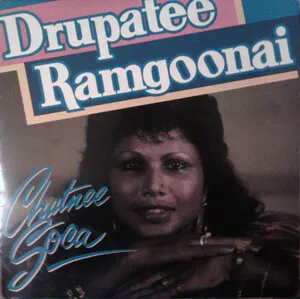
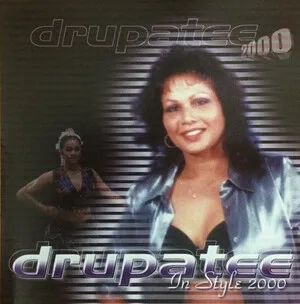
• Drupatee Ramgoonai helped codify and popularize the fusion, notably using the term “chutney soca” by the late 1980s, and bringing Hindi/Bhojpuri lyrics and Indian percussion into soca’s carnival engine.
• Through the 1990s, artists like Rikki Jai bridged chutney and mainstream soca stages, while the establishment of the Chutney Soca Monarch competition (1996) gave the style a high-profile annual platform within Carnival.
Mainstreaming and Diaspora (2000s–present)
• Crossovers with leading soca performers (e.g., Machel Montano) expanded audience reach and production values, introducing bigger stages, modern sound design, and pop hooks.
• The genre spread across Indo-Caribbean communities in Guyana, Suriname, North America, and the UK, where artists integrated contemporary pop, EDM textures, and studio polish while retaining core instruments (harmonium, dholak, dhantal) and tassa breaks.
• Today, chutney soca is a Carnival staple and a marker of Indo-Caribbean cultural pride, balancing party-ready rhythms with multilingual, heritage-conscious songwriting.
Tempo, Groove, and Form
• Use a driving 4/4 soca groove (typically 110–150 BPM). Keep the kick steady on each beat, with syncopated snare/clap accents and lively hi-hats/shakers. Arrange for verse–chorus–bridge with ample call-and-response.
Instrumentation
• Blend modern soca band elements (drum kit or programmed drums, electric bass, guitar/keys, brass or synths) with Indo-Caribbean staples: harmonium for chords/melody, dholak for rolling hand-drummed patterns, dhantal for metallic timekeeping, and tassa for energetic breaks/fills.
Harmony and Melody
• Favor bright, major-key progressions (I–V–vi–IV or I–IV–V) and catchy, pentatonic-leaning vocal hooks. Integrate North Indian melodic flavors (ornaments, melismas, approach tones) while keeping harmonies pop-accessible.
Language and Lyrics
• Write in English/Trinidadian English Creole, Hindi, or Caribbean Hindustani, and feel free to code-switch. Themes center on celebration, romance, humor, teasing banter, and Carnival festivity; keep lyrics playful and direct.
Arrangement and Production
• Start with a soca rhythm bed; layer harmonium chords and dholak grooves; add dhantal for rhythmic sparkle. Drop in tassa breaks before/after choruses or as hype sections.
• Use modern pop/soca production: tight low-end, bright vocals with light tuning/doubling, crowd chants, and percussive ear-candy. Keep the chorus explosive and dance-focused.

How to Dance Chutney Indian Music *SMOOTH* #chutney #dancer #soca #trinidad #triniswhowanttohavefun
Trini Fishing Entertainment

Top albums

Best playlists



Top tracks
Locked
Share your favorite track to unlock other users’ top tracks
Upcoming concerts
in this genre
