Your digging level
Description
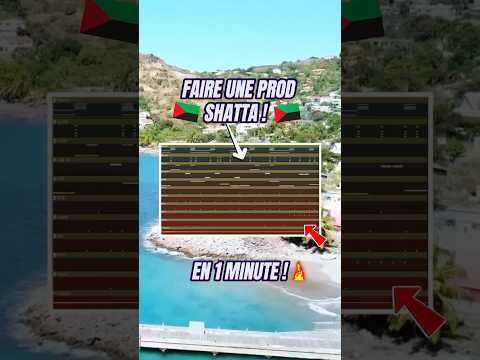
Shatta is a raw, high-energy French Caribbean take on dancehall that crystallized in the 2010s within the Guadeloupe–Martinique scene.
It is powered by hard-hitting dembow-derived grooves, booming 808 sub-bass, clipped snares, and sirens/airhorns designed for clubs and car sound systems. Vocals—often in Antillean Creole and French—favor short, repetitive hooks, call-and-response chants, and provocative, party-focused or streetwise themes.
Stylistically, Shatta blends Jamaican dancehall attitude with local French Antillean aesthetics (and some bouyon drive), plus trap-era sound design. The result is an aggressive, minimal, dancefloor-first sound that’s immediately “bashment” in feel yet distinct to the FWI (French West Indies).
History
Shatta emerges from the long-running dancehall and ragga culture in the French Antilles, where sound system parties and local “riddim” culture already flourished. As trap’s 808-centric production spread globally and dembow/reggaeton rhythms saturated clubs, Guadeloupe and Martinique artists and producers began hardening the groove and stripping arrangements to bass, drums, and chant-friendly hooks—laying the foundation for Shatta.
Through YouTube, Facebook, and later Instagram/Snapchat, Shatta tracks and dance clips circulated rapidly. The style’s emphasis on car-ready low end and minimalist, chantable refrains helped it dominate parties and street gatherings. A core of Antillean dancehall artists—already popular across the FWI—leaned into the tougher, faster, and more explicitly party-centric direction that came to be recognized as “Shatta.”
Shatta stayed close to bashment sensibilities—riddim-based production, MC/DJ interplay, and crowd-response choruses—while grounding itself in Antillean Creole, local slang, and regional dance moves. This reinforced a strong French Caribbean identity distinct from Jamaican, Latin, and mainland French scenes.
By the early 2020s, collaborations with francophone rap, reggaeton, and Afro-diasporic artists broadened Shatta’s footprint. TikTok and short-form video further amplified its dance challenges and hooks, while club and festival circuits in France (mainland), Belgium, and Canada began showcasing Shatta alongside dancehall, afro- and Latin-urban sets.