Your digging level

For this genre
0/8
🏆
Sign in, then listen to this genre to level up

Description

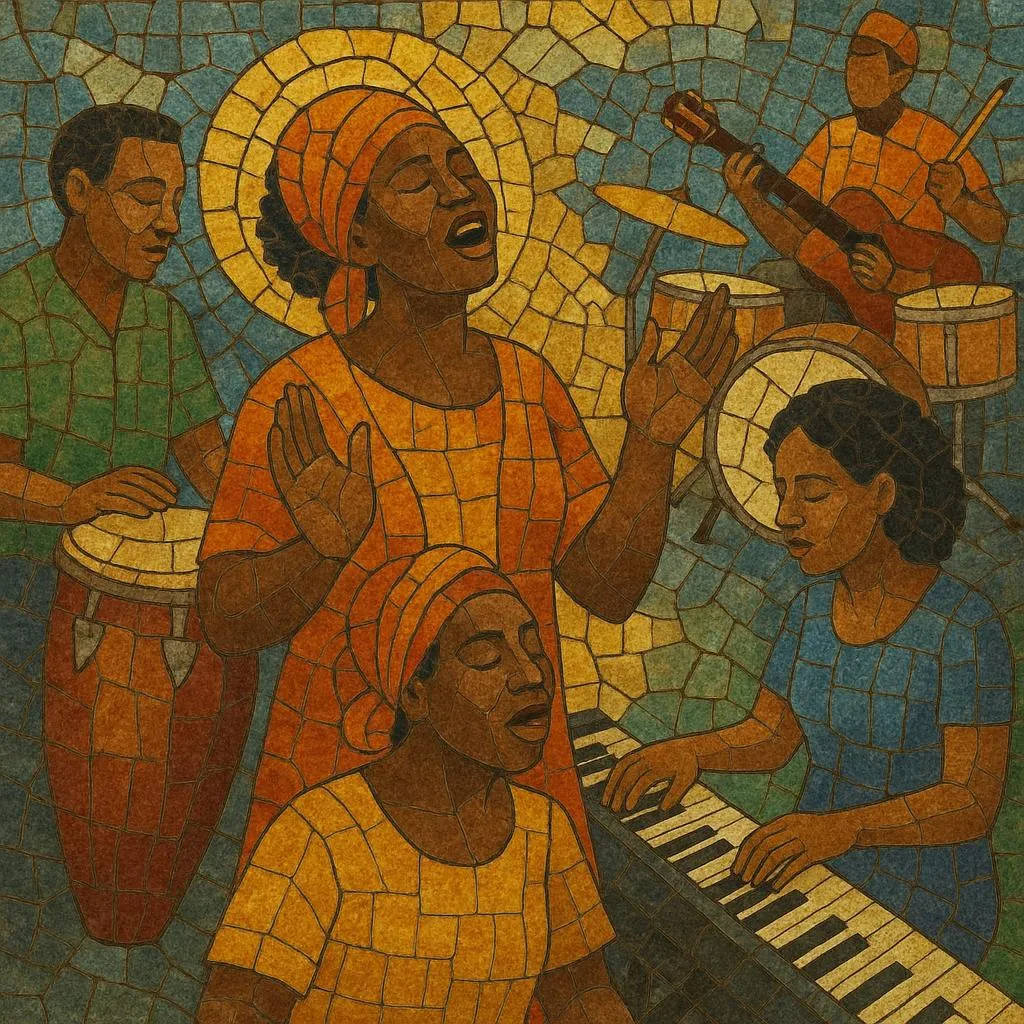
Gospel Papiamento is a contemporary Christian music movement performed in Papiamento—the creole language of Curaçao, Aruba, and Bonaire.

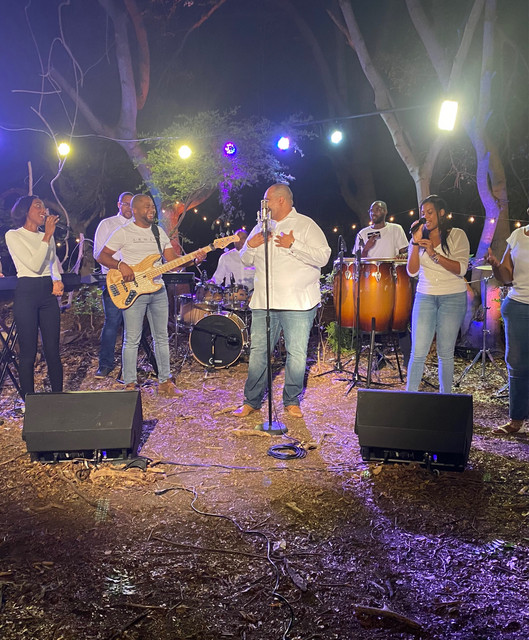
It blends modern praise-and-worship songwriting with Afro‑Caribbean grooves such as tumba, soca, and zouk, plus touches of reggae and Latin pop. Typical arrangements feature band-led worship (vocals, keyboards, electric guitar, bass, drums) enriched by island percussion and call‑and‑response choruses suitable for congregational singing. Lyrically it centers on praise, testimony, and hope, using the intimate, conversational tone of Papiamento to make faith expressions feel local and immediate.


Sources: Spotify, Wikipedia, Discogs, RYM, MB, user feedback and other online sources

History

Origins (1990s)

Gospel in Papiamento emerged as church musicians and youth ministries on the ABC islands began adapting contemporary praise-and-worship repertoires into their own language. Early adopters translated well-known choruses and re-harmonized them over local rhythms (notably tumba and soca), helping congregations sing faith texts in the language spoken at home.

Consolidation and local identity (2000s)

Throughout the 2000s, growing access to affordable recording equipment and digital keyboards enabled small ensembles and church bands to produce island-made worship albums. Producers increasingly integrated rhythmic accents from ritmo kombina, zouk, and reggae, while keeping the congregational, hook-driven structure of CCM. This period also saw the rise of worship collectives and inter-church collaborations that normalized Papiamento as a primary worship language in recordings and live events.

Expansion and professionalization (2010s)

Streaming platforms, social media, and diaspora networks amplified the reach of Gospel Papiamento beyond Curaçao, Aruba, and Bonaire. Artists released live worship sessions and studio singles with modern pop sheen, tighter vocal production, and contemporary drum programming. Cross-border collaborations within the Caribbean and Latin Christian scenes grew more common, and lyric videos helped standardize spelling and singalong usage in services.

Present day

Today the style is a recognizable node within Caribbean Christian music: sonically modern, rhythmically rooted in the islands, and linguistically anchored in Papiamento. It serves both congregational worship and radio/playlist listening, with releases ranging from high-energy danceable praise to intimate ballads.


How to make a track in this genre

Song form and harmony
•   Use accessible worship forms (verse–pre‑chorus–chorus–bridge) with strong, singable hooks. •   Common progressions include I–V–vi–IV, vi–IV–I–V, or IV–I–V builds; modulate up a whole step for a climactic final chorus if needed.
Rhythm and groove
•   For uptempo praise, anchor the beat in soca or ritmo kombina (2/4 feel with driving kick on beats 1 & 2, syncopated snare/percussion). •   For midtempo warmth, try zouk/reggae hybrids: off‑beat guitar or keys skanks, a laid‑back bass, and light percussion. •   Incorporate tumba accents: syncopated congas/bongó, timbales fills, wiri/chekeré patterns to localize the groove.
Instrumentation and vocals
•   Core band: lead vocal, choir/stacked harmonies, keys/pads (for worship beds), electric guitar (clean rhythmic chops and melodic swells), bass (chord‑tone, syncopated), drums (soca/reggae/tumba patterns). •   Add island colors: steel pan lines, Latin percussion, or nylon‑string guitar for ballads. •   Favor call‑and‑response refrains; layer three‑part harmonies on choruses for congregational lift.
Lyrics and language
•   Write in Papiamento with clear, direct praise themes (gratitude, trust, renewal, testimony). Keep lines short and memorable for congregational singing. •   Use inclusive “nos” (we) phrasing and Scripture‑inspired imagery; repeat key phrases to reinforce participation.
Production tips
•   Blend modern CCM sound design (pads, subtle synth arps, side‑chained keys) with organic percussion. •   Keep vocals upfront and intelligible; support choruses with gang/choir doubles and ad‑libs in the final repeat. •   For live worship feel, capture room ambience and crowd responses; for radio, tighten low end and use pop vocal tuning subtly.

Top tracks

Locked
Share your favorite track to unlock other users’ top tracks

Upcoming concerts

in this genre
Influenced by

Download our mobile app

Get the Melodigging app and start digging for new genres on the go
© 2026 Melodigging
Melodding was created as a tribute to Every Noise at Once, which inspired us to help curious minds keep digging into music's ever-evolving genres.
Buy me a coffee for Melodigging