Your digging level

For this genre
0/8
🏆
Sign in, then listen to this genre to level up

Description

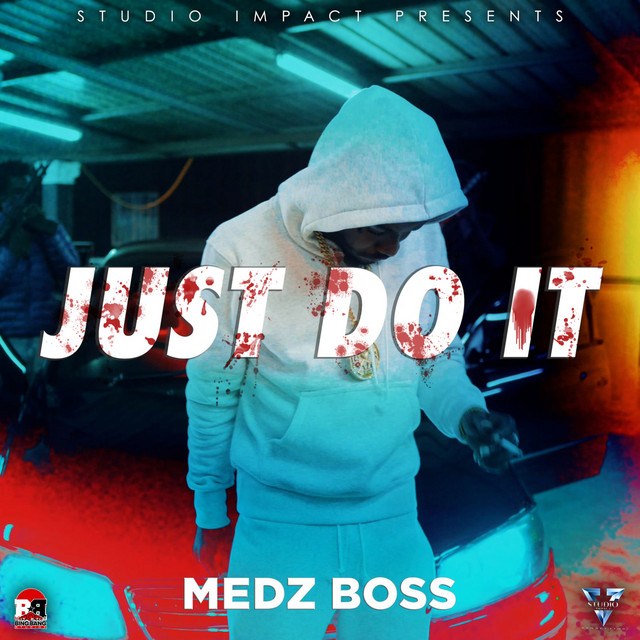
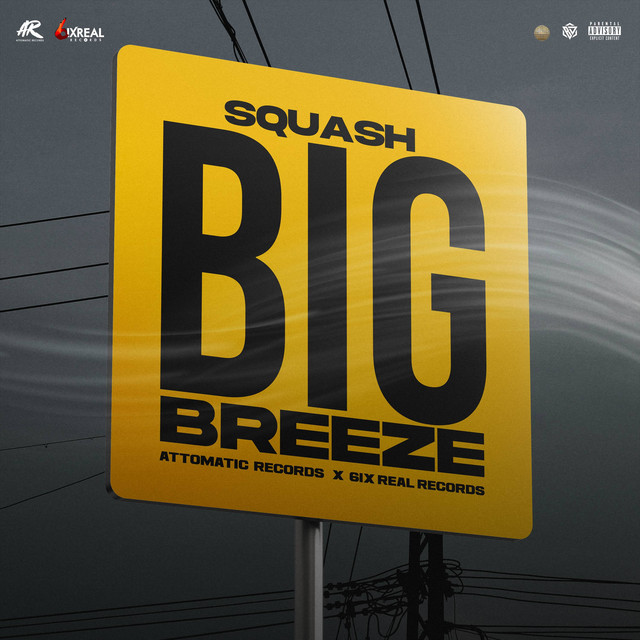
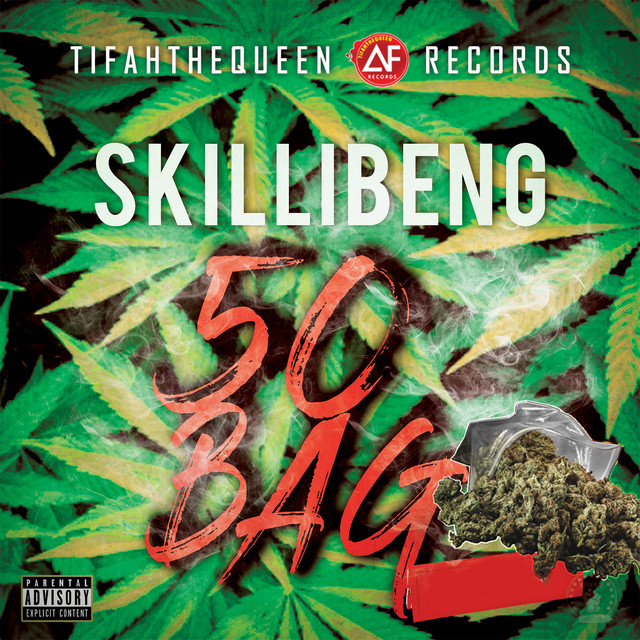
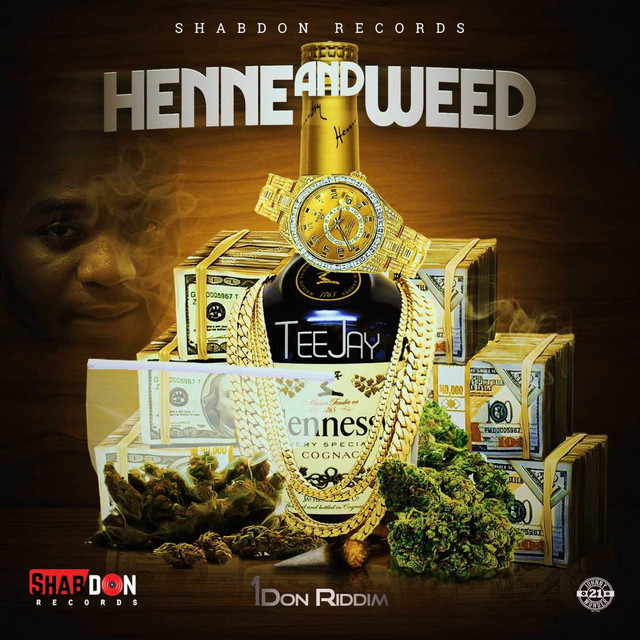
Trinibad is a contemporary Trinidad and Tobago offshoot of dancehall that blends Jamaica’s dancehall DNA with trap/drill sound design and distinctly Trinidadian street culture.

Built on heavy 808s, stuttering hi‑hats, and a dembow‑derived or drill‑leaning groove, it is delivered in Trini Creole (Trinidadian patois) with melodic sing‑jay hooks and gritty, hyper‑local narratives. The style is closely tied to the “zesser” youth movement and rose via YouTube and social media rather than traditional Carnival circuits.

Compared with mainstream Caribbean dancehall, Trinibad is darker, more minor‑key and bass‑led, with autotuned toplines, sliding 808s, and ad‑lib heavy performances. It sits between dancehall, trap, and drill while remaining unmistakably Trinidadian in accent, slang, and references.


Sources: Spotify, Wikipedia, Discogs, RYM, MB, user feedback and other online sources

History

Origins (late 2010s)

Trinibad emerged in Trinidad and Tobago in the late 2010s as a localized form of dancehall that absorbed trap and drill production techniques. Young artists and producers leveraged affordable home studios and YouTube to bypass traditional gatekeepers, building audiences with gritty, melodic sing‑jay deliveries over 808‑driven beats.

Breakout and the “Zesser” wave

As the style crystallized, it aligned with the "zesser" youth culture—fashion, nightlife, and street swagger—which provided an aesthetic and social identity for the sound. Viral singles and freestyles helped normalize darker sonics and patois‑heavy storytelling, distinguishing Trinibad from both mainstream soca and Jamaican dancehall.

Controversy and scrutiny

Lyrical focus on street realities and bravado drew public scrutiny and occasional media debate in Trinidad and Tobago about violence, censorship, and youth culture. Tragedies affecting several scene figures added to the visibility and controversy, even as the music’s popularity continued to rise online.

Consolidation and crossover (2020s)

Into the 2020s, Trinibad diversified sonically—borrowing from UK drill bass slides, Atlanta‑style trap drums, and Jamaican dancehall cadences—while some artists experimented with cleaner pop hooks and collaborations. The scene’s footprint spread across the Caribbean diaspora (New York, Toronto, London), where the Trini accent and slang became a recognizable marker of the style.

Legacy

Trinibad now stands as a distinct node in the broader dancehall/trap continuum: a bass‑forward, melodic, and highly local expression that documents contemporary Trinidadian youth culture while engaging global urban production trends.


How to make a track in this genre

Tempo and groove
•   Work around 90–105 BPM (or double‑time 140–150 BPM with a halftime feel). •   Start from a dancehall/dembow backbone (kick on 1, syncopated snares) and layer trap/drill elements: rapid or triplet hi‑hats, rolls, and 808 slides.
Sound palette and production
•   Core kit: hard 808 sub (use slides/portamento), tight snare/clap, crisp closed hats, occasional reggaeton‑style percussion. •   Pads and leads in minor keys; use moody bells, plucks, or synths with reverb/delay for atmosphere. •   Ad‑libs and vocal chops are important; sprinkle call‑outs and crowd/room ambience for immediacy.
Harmony and melody
•   Keep harmony minimal: 1–3 chords looping (e.g., i–VI–VII) in a natural/minor scale. Let bass movement and counter‑rhythms provide interest. •   Toplines are sing‑jay: autotuned, catchy, and slightly behind the beat. Use pentatonic or Aeolian phrases; resolve hooks with strong, repeated motifs.
Lyrics and delivery
•   Perform in Trini Creole (Trinidadian patois) with local slang and place‑name references; authenticity matters. •   Themes range from street reportage and bravado to party/flex and loyalty—keep imagery concrete and scene‑specific. •   Structure: 8–16‑bar hook; 16‑bar verses with flow switches (melodic to more percussive) and ad‑lib call‑and‑response.
Arrangement
•   Intro (4–8 bars with filtered loop or vocal tag) → Hook → Verse → Hook → Verse/Bridge → Hook. •   Drop instruments in verses to spotlight vocals; reintroduce full drums/808 for hooks.
Mixing/mastering
•   Prioritize sub clarity (sidechain against kick; carve 40–80 Hz for 808). Keep hats bright but controlled; tame harshness in autotuned highs. •   Modern loudness with transient‑preserving limiting; maintain headroom for the 808 to breathe.
Cultural cues
•   Taglines, crew drops, and local references (areas, dances, fashion) situate the track in the Trinibad universe. •   Visuals matter: DIY but stylized videos amplify reach across YouTube/TikTok.

Main artists

Top tracks

Locked
Share your favorite track to unlock other users’ top tracks

Upcoming concerts

in this genre
Influenced by
Has influenced
No genres found

Download our mobile app

Get the Melodigging app and start digging for new genres on the go
© 2026 Melodigging
Melodding was created as a tribute to Every Noise at Once, which inspired us to help curious minds keep digging into music's ever-evolving genres.
Buy me a coffee for Melodigging