Your digging level
Description
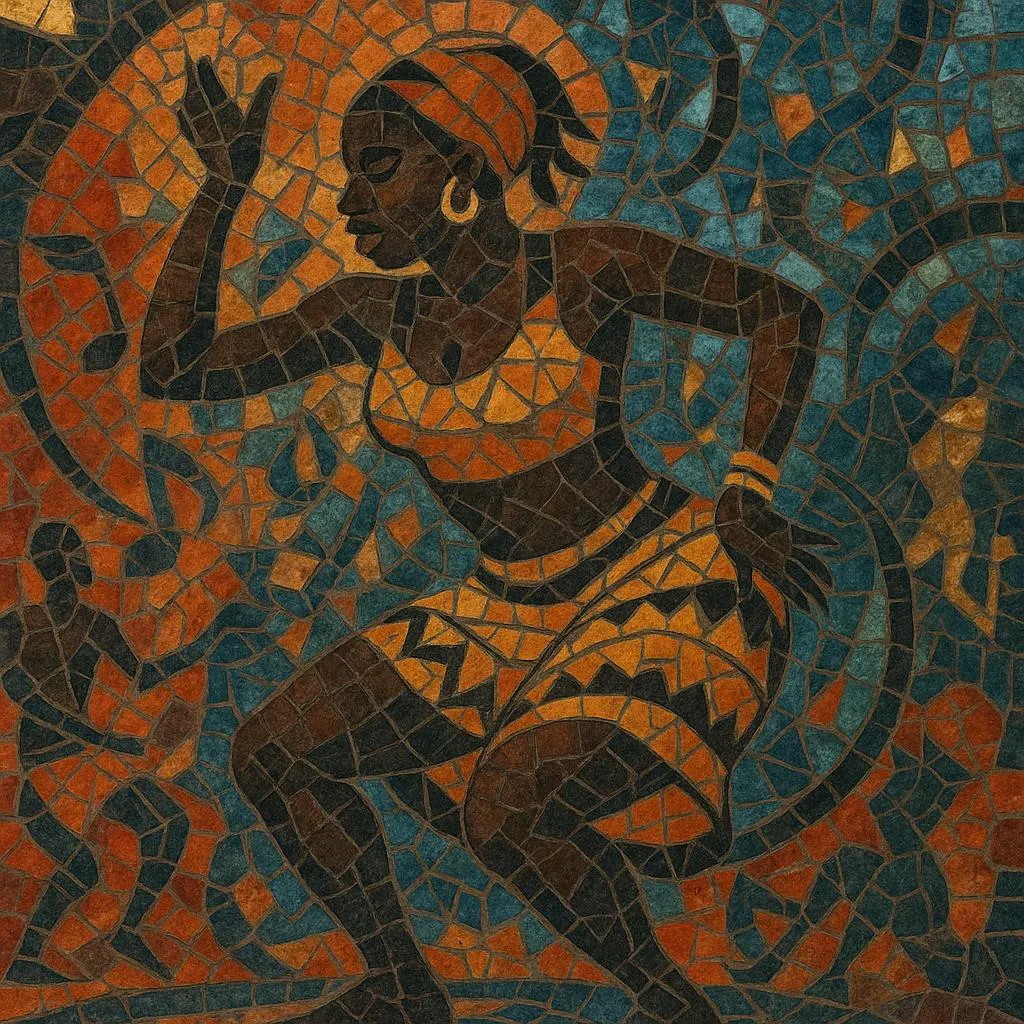
Mapouka is a dance-driven Ivorian popular music style that modernizes a much older hip-focused ceremonial dance from the Dabou area (Ahizi, Alladian, Dida and Avikam peoples) in southeastern Côte d’Ivoire.
The recorded form coalesced in the early 1990s, when local percussion patterns and call‑and‑response vocals were fused with contemporary Caribbean and global club idioms. Producers and bands framed the traditional dance with drum-machine grooves, handclaps, whistles, and synth bass lines, creating a propulsive 4/4 club format that foregrounds the body-driven choreography. Mapouka is also known regionally as Chura and relates closely to Baikoko in Tanzania, where the dance and its music enjoy strong popularity.
Lyrically, tracks tend to be playful, teasing, and party-oriented, sometimes risqué, and often interweave French and Nouchi (Ivorian street slang) with chant-style hooks designed to energize dancers.


History
Mapouka originates as a traditional Dabou-area dance performed by the Ahizi, Alladian, Dida, and Avikam peoples. In the late 1980s and early 1990s, Abidjan’s studio and club culture began framing this dance with modern instruments, turning a participatory ceremony into recorded, radio‑ready dance music. Caribbean currents (zouk/compas) and global club forms (dancehall/hip hop) provided templates for arranging and producing tracks while maintaining local percussion aesthetics.
By 1991 Mapouka had a noticeable presence on cassettes and club sound systems. Producers codified a 4/4, 100–120 BPM format with layered hand percussion, whistles, and chant‑based refrains that cue specific dance moves. This period coincided with the explosion of Ivorian youth musics and the spread of studio collectives that issued “medleys” and dance compilations centered on Mapouka routines.
The sexually charged hip isolations central to the dance sparked periodic controversy and broadcast restrictions at home, which paradoxically amplified the style’s notoriety among youth. Mapouka circulated widely through clubs, weddings, street parties, and regional markets, and it found counterparts under the names Chura and Baikoko in East Africa, especially Tanzania, where similar hip‑centric dances and beats became local sensations.
Mapouka’s club‑ready drum programming, chant hooks, and choreography helped normalize dance-forward pop production in Côte d’Ivoire and beyond. The genre’s emphasis on break‑downs for specific moves and on crowd call‑and‑response fed directly into later Ivorian urban styles and into pan‑African dance‑pop aesthetics. Today, Mapouka persists in medleys, local compilations, and live settings, and remains a foundational reference for choreographic and percussive choices in Ivorian and regional club music.