Your digging level
Description
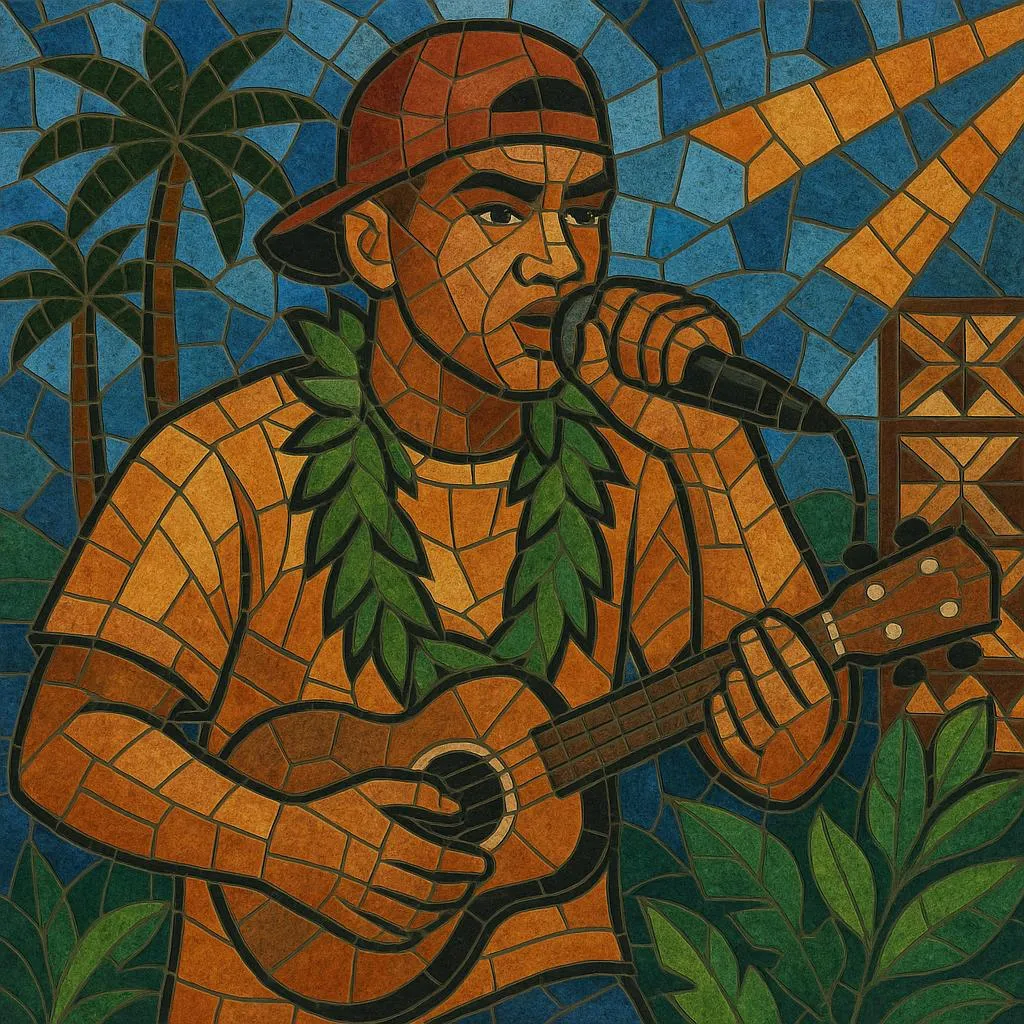
Polynesian hip hop is the rap and R&B-driven sound created by Polynesian peoples across the Pacific and in diaspora communities, especially in Aotearoa/New Zealand, Hawaiʻi, and the U.S. West Coast. It blends classic hip hop beats and flows with reggae/dancehall bounce, smooth R&B hooks, and unmistakable Pacific musical colors (ukulele and island guitar licks, Polynesian percussion, and choral harmonies).
Lyrically it centers family (aiga/whānau/ʻohana), faith and community, migration stories, bilingual identity (English mixed with Samoan, Tongan, Māori, Hawaiian, and more), neighborhood pride, and the realities of working‑class life. The result is a style that can be both celebratory and reflective—equally at home at a backyard barbecue, in a church hall, or on a club stage.


History
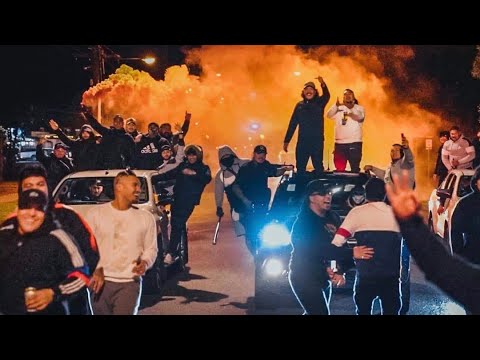
Hip hop culture reached Polynesia and its diasporas by the late 1980s via breakdancing, mixtapes, and U.S. media. In Aotearoa/New Zealand, early Māori and Pacific rap pioneers helped localize the sound, anchoring it in South Auckland’s Pacific communities. Simultaneously, Hawaiʻi’s scene began fusing emceeing with Hawaiian language and local grooves. By the mid‑1990s, youth throughout Polynesia were adapting boom‑bap and West Coast styles to their own languages, cadences, and community narratives.
Independent labels, community radio, and all‑ages shows created pathways for Polynesian emcees and crews. The rise of West Coast‑leaning production—G‑funk synths, swung drums, talkbox hooks—combined naturally with reggae and island guitar skanks. This period cemented bilingual flows and themes of migration, pride, and resilience, giving the sound its social voice and its party‑starting bounce.
As Polynesian diaspora networks strengthened (Auckland ↔ Hawaiʻi ↔ California/Utah), collaborations multiplied. Chart appearances and international tours followed, introducing wider audiences to Pacific slang, vocal styles, and hybrid beats. Parallel strands emerged—some tracks leaned toward smooth R&B and pop, others toward hard‑edged street rap, and many embraced reggae/dancehall crossover.
Modern Polynesian hip hop is stylistically diverse: classic boom‑bap, West Coast bounce, trap hi‑hats and 808s, and reggae‑rap hybrids. Artists continue to foreground language revitalization and community uplift while competing on global production standards. The genre remains a cultural bridge—translating Pacific life into contemporary urban music and feeding back into Pacific pop and R&B across the region.