Your digging level
Description
Gengetone is a Kenyan street-pop and rap style that rides the dembow rhythm associated with dancehall and reggaeton, but delivers lyrics in Nairobi’s urban slang, Sheng. It is loud, rowdy, chant-heavy, and built for parties, matatus (public minibuses), and social media virality.
Sonically, gengetone centers on a bouncy dembow drum pattern, heavy 808 kicks and subs, crisp claps, and bright, simple synth riffs or plucks. Vocals are typically performed in rapid-fire group cyphers with call‑and‑response hooks, punchline-heavy verses, and catchy ad‑libs. Lyrically it leans on humor, street bravado, flirtation, and hyperlocal references, creating an unmistakably Nairobi youth-culture identity.
Culturally, gengetone revived the spirit of earlier Kenyan genge while absorbing contemporary dancehall, reggaeton, and trap aesthetics. It became a dominant youth sound in the late 2010s, sparking debates over lyrical explicitness while simultaneously boosting Kenyan pop’s visibility across East Africa and the diaspora.


History
Gengetone emerges from Nairobi’s long tradition of Sheng-based rap and pop. It inherits attitude and localization from 2000s genge while embracing dancehall/reggaeton’s dembow groove and modern hip-hop/trap production. By the mid-2010s, affordable home studios, YouTube, and WhatsApp sharing lowered barriers for youth crews to record and circulate tracks.
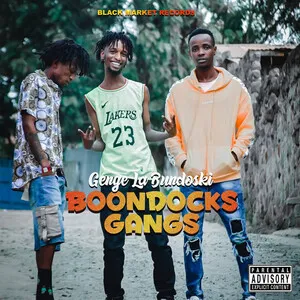
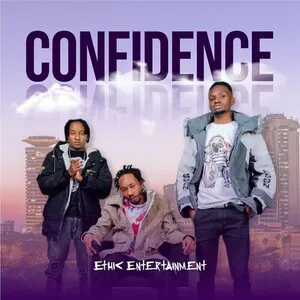
In 2018, Ethic Entertainment’s “Lamba Lolo” went viral, crystallizing the sound’s blueprint: a dembow beat, chantable hooks, and raw Sheng lyricism. A wave of crews—Sailors, Ochungulo Family, Boondocks Gang, Zzero Sufuri, and Gwaash—rapidly followed, delivering club-ready anthems optimized for TikTok-style dances and matatu sound systems. 2019 saw crossover dominance as “Wamlambez” and similar hits became national phenomena.
As the style’s popularity surged, its provocative lyrics drew criticism from regulators and older audiences, prompting occasional broadcast restrictions. Despite debates over explicit content, the scene professionalized: higher‑fidelity production, stronger hooks, and strategic collaborations with established Kenyan artists helped gengetone sustain momentum.
The sound diversified: some acts fused gengetone with drill, trap, or Afro‑pop, while others refined pop hooks for radio. Producers streamlined arrangements, adding polished 808s, brighter leads, and tighter mixes. The genre influenced adjacent Kenyan street rap and energized East African youth culture, with diaspora audiences amplifying reach via streaming platforms.
Gengetone re-centered Sheng as a pop lingua franca, reigniting local pride in homegrown street music. It provided a blueprint for viral, chant‑driven, dembow‑based Kenyan club music and opened doors for the next generation of Nairobi rappers and crews.