Your digging level

For this genre
0/8
🏆
Sign in, then listen to this genre to level up

Description

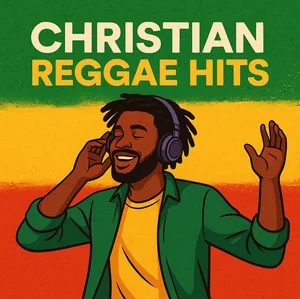
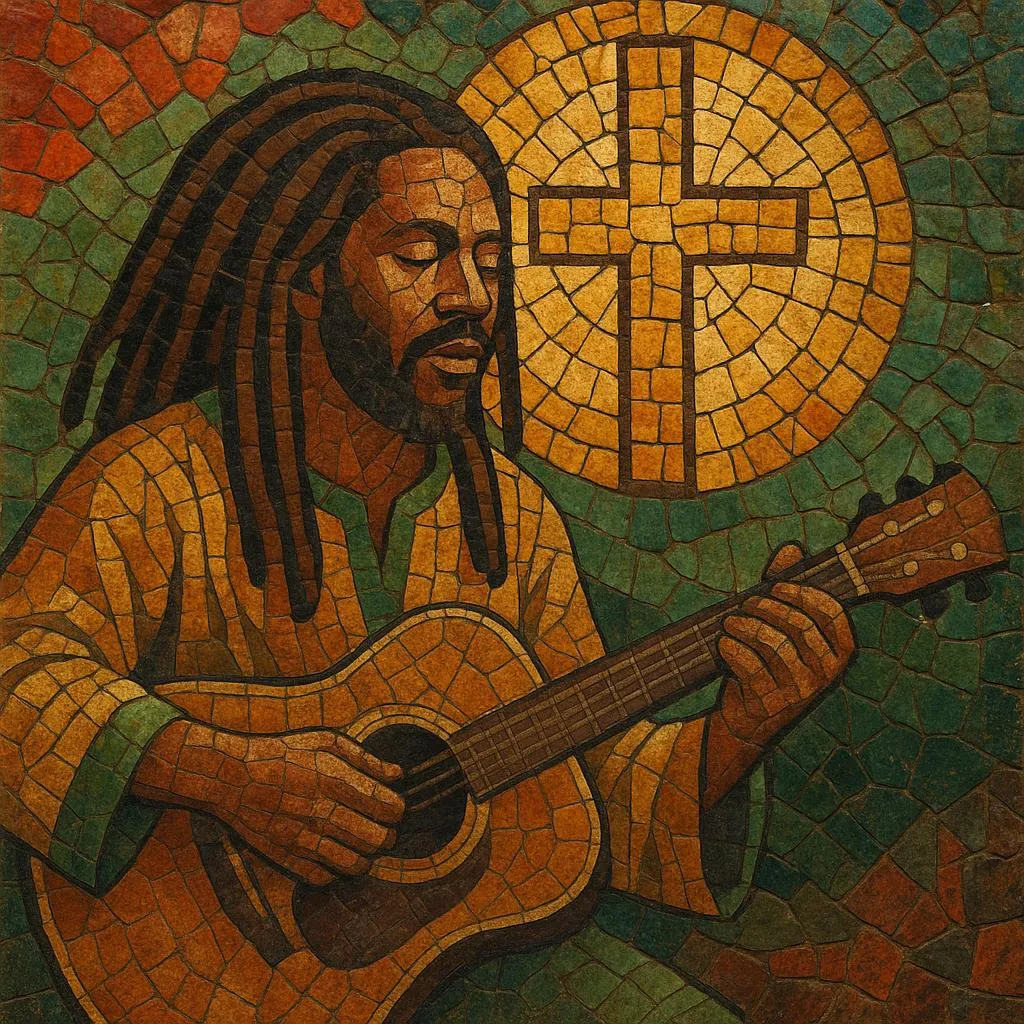
Christian reggae is a faith-centered branch of reggae that pairs Jamaica’s signature off‑beat skank, deep basslines, and one‑drop/rockers drum feels with explicitly Christian lyrics.

It draws from roots reggae’s socially conscious and devotional tone, but shifts the message toward biblical themes, worship, testimony, and evangelism. Vocal deliveries range from soulful singing to dancehall toasting, often accented by patois, call‑and‑response hooks, and rich backing harmonies.

Production commonly uses classic reggae elements such as spring reverb, tape delay, melodica or organ “bubble,” and occasional dub‑style breakdowns, while maintaining a warm, uplifting atmosphere suited to congregational settings and live outreach.

History

Roots and early stirrings (1970s–1980s)

Reggae’s global rise in the 1970s presented a spiritually charged idiom, with roots reggae often foregrounding Rastafarian worldviews. Within this environment, Christian artists and church bands in Jamaica began adopting reggae rhythms for worship and outreach, laying groundwork for a distinct Christian expression by the 1980s.

Consolidation and naming (1990s)

The 1990s saw a clearer identity for Christian reggae as a scene. Conversions of well‑known dancehall/reggae performers led to explicitly Christ‑centered releases, while ministries and bands—most visibly Christafari (founded 1989)—popularized the term and sound, releasing albums, touring, and building a dedicated audience across North America and the Caribbean.

Global spread and stylistic fusion (2000s–2010s)

As reggae diversified and digital production lowered barriers, Christian reggae flourished across Jamaica, the Caribbean (notably Trinidad & Tobago and The Bahamas), the U.S., Latin America, and Africa. Artists blended roots and lovers‑rock aesthetics with dancehall energy, and incorporated modern CCM writing and live church arrangements. Labels, festivals, and radio support helped normalize reggae grooves in worship contexts.

Streaming era and cross‑pollination (late 2010s–present)

Playlists and social media accelerated discovery, enabling collaborations with gospel, contemporary worship, and Afrobeats communities. The style now ranges from rootsy devotionals to dancehall‑leaning praise anthems, retaining reggae’s rhythmic DNA while foregrounding scripture‑based, hope‑oriented lyrics.

How to make a track in this genre

Core rhythm and tempo
•   Aim for 70–85 BPM (or perceived halftime of 140–170 BPM). Use the one‑drop, rockers, or steppers patterns: kick and snare emphasize beat 3 (one‑drop) with syncopated hi‑hat/percussion. •   Keep the guitar on the off‑beat skank (short, percussive upstrokes on beats 2 and 4). Layer with an organ or piano “bubble” (16th‑note syncopations filling the groove).
Bass and harmony
•   Write a strong, melodic bassline—it carries the song. Lock it tightly with the kick, outlining I–IV–V or i–VI–VII movements common in roots and lovers‑rock. •   Favor diatonic progressions with occasional modal mixture; common pop‑gospel shapes (e.g., I–V–vi–IV in major, or i–VII–VI–VII in minor) work well. •   Use simple, singable melodies supported by warm backing vocals and call‑and‑response hooks.
Sound palette and production
•   Instruments: electric bass (round tone), clean rhythm guitar, Hammond/clonewheel organ or piano for the bubble, drums with rimshots/cross‑stick, optional horns, melodica, and light percussion (shakers, tambourine). •   Effects: tasteful spring reverb and tape‑style delay; occasional dub mutes and drops for space without obscuring the lyric.
Lyrics and delivery
•   Center themes on faith, worship, testimony, and scripture; aim for edification and hope. Avoid slackness/violent content; maintain positive, Christ‑focused messaging. •   Blend soulful leads with toasting/chanting in verses; use patois naturally if authentic to the performer, ensuring clarity for congregational sing‑along.
Song form and arrangement
•   Verse–pre‑chorus–chorus with a short bridge or dub break keeps engagement. Introduce dynamics by dropping elements (e.g., pull the kick/bass for a breakdown) before a big chorus return. •   For congregational versions, keep keys comfortable, choruses repetitive, and harmonies supportive rather than showy.

Top tracks

Locked
Share your favorite track to unlock other users’ top tracks
Influenced by
Has influenced
Challenges
Digger Battle
Let's see who can find the best track in this genre
© 2025 Melodigging
Melodding was created as a tribute to Every Noise at Once, which inspired us to help curious minds keep digging into music's ever-evolving genres.
Buy me a coffee for Melodigging