Your digging level
Description
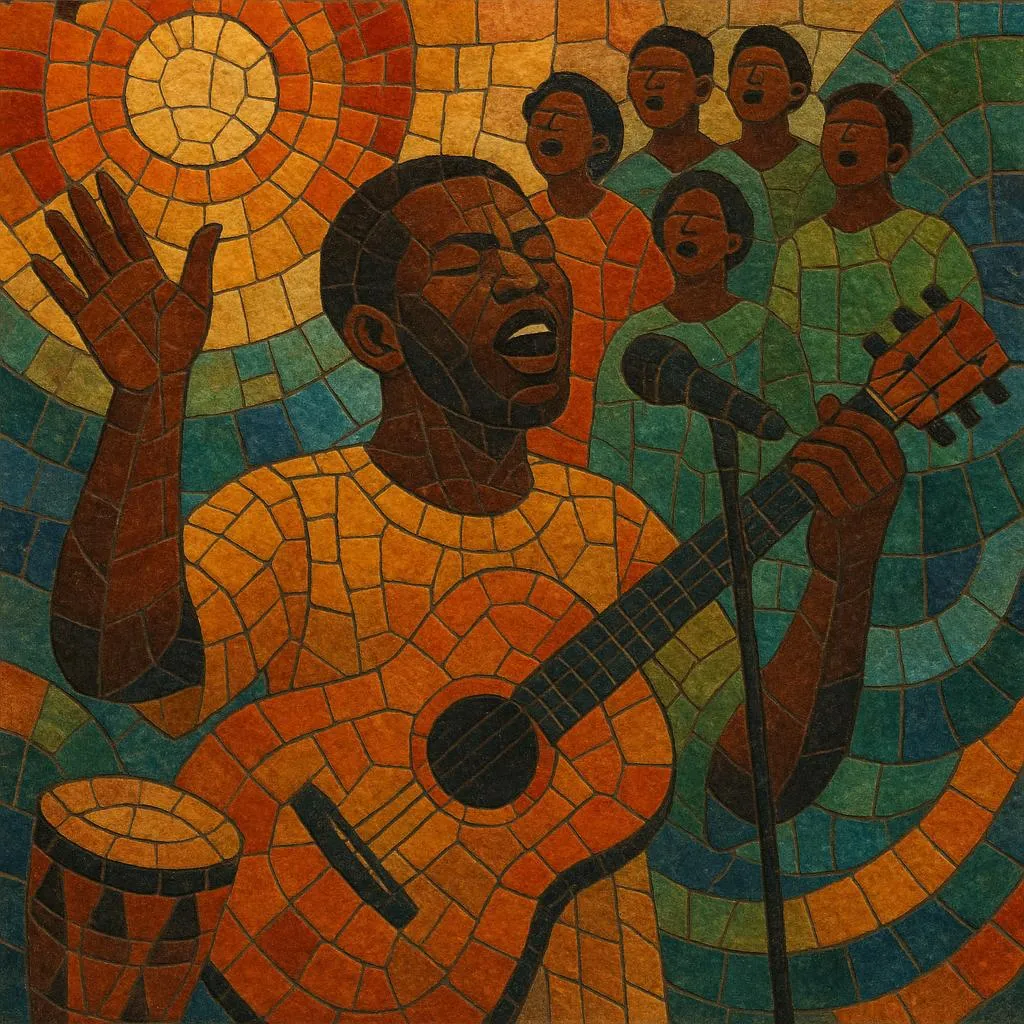
Afrogospel is a contemporary African Christian popular music style that blends local African rhythmic languages and performance practices with modern gospel songwriting.
It commonly combines call-and-response vocals, praise-and-worship themes, and congregational energy with pop, Afrobeats, and African dance-music production.
The sound is often driven by syncopated drum patterns, layered percussion, bright keyboards, and choir or stacked harmonies, aiming for an uplifting, faith-affirming atmosphere.
Afrogospel is less a single uniform sound than a pan-African umbrella for modern gospel that foregrounds African grooves and contemporary recording aesthetics.

History
Afrogospel emerged as African churches, gospel choirs, and solo ministers increasingly adopted contemporary studio production and radio-friendly song forms.
As Afropop and Afrobeats aesthetics rose in mainstream African youth culture, many gospel artists began setting praise lyrics to the same club-ready grooves and melodic sensibilities.
Across West, East, and Southern Africa, local rhythmic traditions and languages shaped distinctive sub-styles while still sharing the same modern gospel core.
Major concerts, church conferences, and gospel award circuits helped the genre professionalize and reach diaspora audiences.
Social video platforms and streaming playlists accelerated cross-border listening, leading to more pan-African collaborations and increasingly polished Afrobeats-adjacent production.
Afrogospel also became a common bridge between church-centered worship music and mainstream pop consumption, especially among younger listeners.