Your digging level
Description
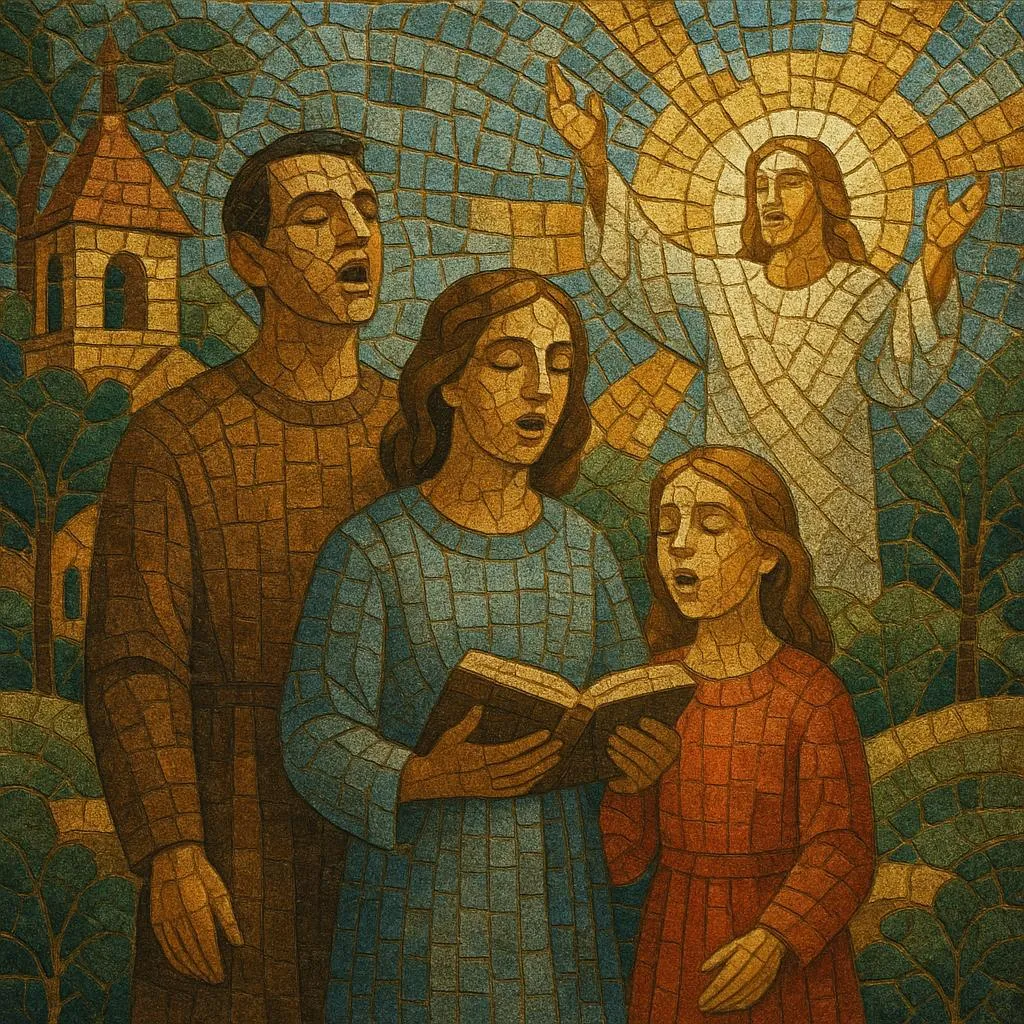
“Música adventist” refers to sacred music associated with the Seventh-day Adventist tradition.
It is primarily congregational and devotional, centered on Christian hymnody and worship songs that emphasize themes such as the Second Coming (Advent), Sabbath rest, hope, salvation, and mission.
Musically, it ranges from traditional Western hymn styles and choral arrangements to contemporary worship-pop and gospel-influenced forms, depending on region and era. The core aesthetic prioritizes clear texts, singable melodies, and reverent performance suited to worship settings.
History
Seventh-day Adventism formed in the mid-1800s in the United States, and its music culture grew out of Protestant hymnody and revival-era congregational singing. Early Adventist worship relied heavily on shared hymn repertoires common in American Protestant churches.
As the denomination organized globally, music became standardized through church publishing, hymnals, and music education. Choirs, vocal quartets, and hymn-based arrangements became widely used in worship, evangelistic meetings, and radio ministries.
With worldwide growth, Adventist music developed distinct regional expressions (e.g., Latin America, Africa, and the Philippines), often blending local musical languages with Protestant hymn and gospel traditions.
Modern “música adventist” includes contemporary worship, pop-ballad praise, and gospel/choral productions released by Adventist labels, media networks, and campus ministries, while traditional hymns remain central in many congregations.