Your digging level
Description
Panamanian pop is contemporary Spanish‑language pop from Panama that blends radio‑friendly melodies and slick production with the country’s long tradition of reggae en español, dancehall, reggaeton, and tropical rhythms. It typically features catchy hooks, mid‑tempo grooves, and romantic or feel‑good themes tailored for both charts and dance floors.
Producers often fuse dembow or dancehall‑derived beats with Latin pop harmony, synth pads, and guitar flourishes. Local flavors—such as cumbia/típico accents or tamborito‑inspired percussion—sometimes color arrangements, giving the music a distinctly Panamanian identity while remaining globally accessible.


History
Although “Panamanian pop” coalesced as a streaming-era label later on, its DNA reaches back to Panama’s 1990s boom of reggae en español and dancehall‑inspired hits. Artists like El General helped popularize a pop‑leaning, melodic approach to Caribbean riddims, while songwriters such as Erika Ender bridged mainstream Latin pop craft with Panamanian talent.
In the 2000s, Panamanian pop crystallized as local acts crossed over throughout Latin America. Flex (Nigga) scored massive success with romantic, pop‑polished reggaeton (e.g., “Te Quiero” in 2008). Joey Montana, Eddy Lover, and groups like La Factoría brought hook‑driven singles that balanced dancehall/reggaeton beats with pop structures, establishing a national reputation for tuneful, radio‑ready songs.
The 2010s saw wider regional and global visibility. Joey Montana’s collaborations and Eddy Lover’s ballad‑to‑urbano blends kept Panama on Latin playlists, while Sech’s worldwide breakout (e.g., “Otro Trago,” 2019) spotlighted a smoother, R&B‑tinged urbano‑pop aesthetic. Meanwhile, indie‑pop and pop‑rock voices (e.g., Iván Barrios) broadened the stylistic palette.
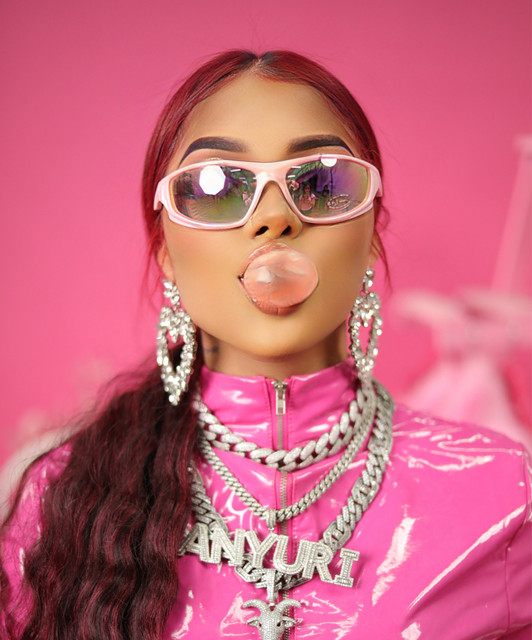
In the 2020s, Panamanian pop spans romantic urbano, dance‑pop, and tropical‑pop fusions. Artists like Anyuri, Makano, and Martin Machore mix glossy pop hooks with dembow, merengue‑ton, and Caribbean swing, while songwriters and producers in Panama City continue to export a distinctly Panamanian pop sensibility to the wider Latin market.