Your digging level
Description
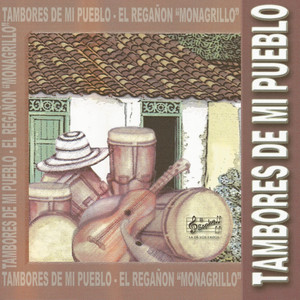
Tamborito (literally “little drum”) is a traditional Panamanian folk music-and-dance genre with Afro‑Iberian roots.
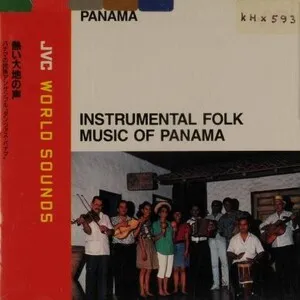
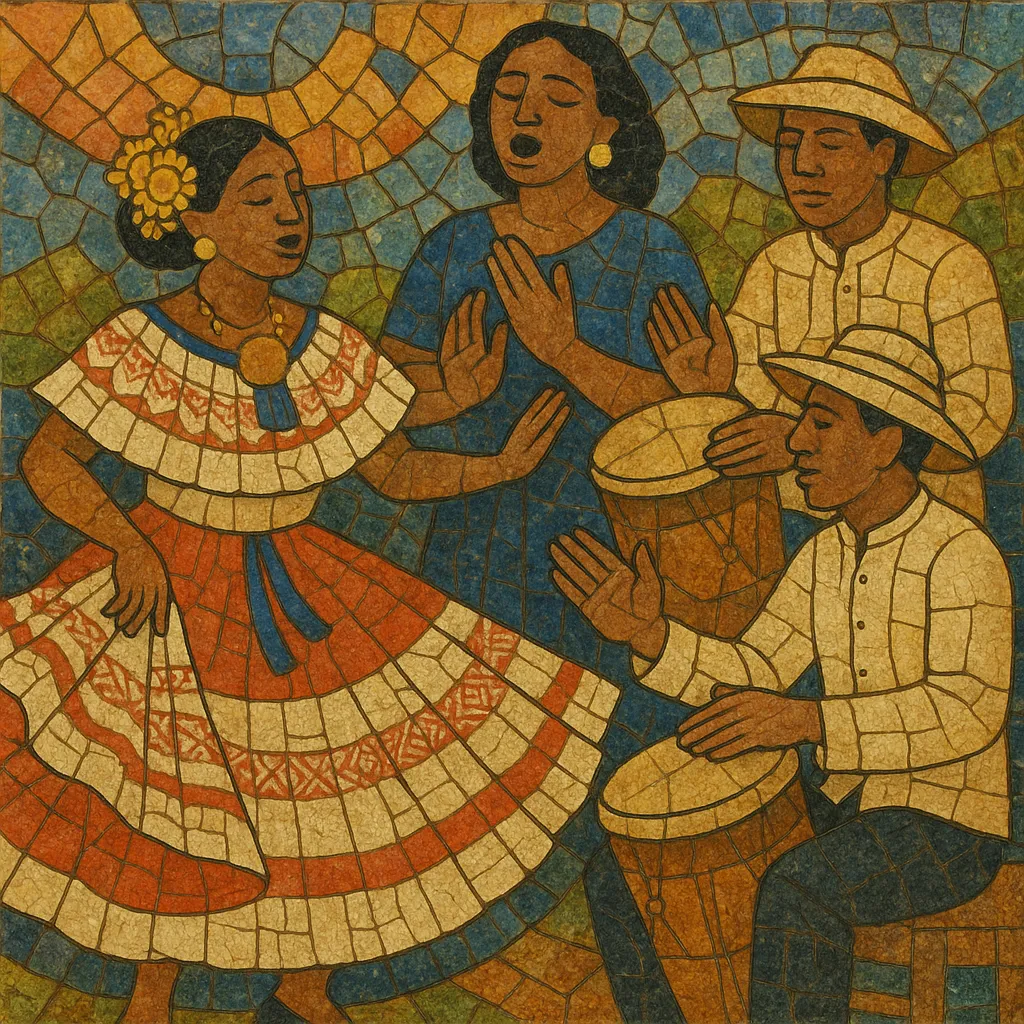
It features a female lead singer (cantadora) answered by a women’s chorus in lively call‑and‑response over a trio of hand‑played drums, vigorous clapping, and shouts.
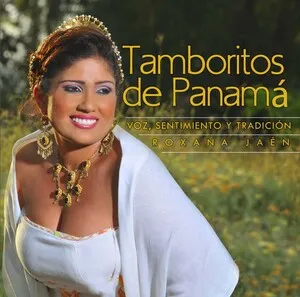
Socially, it is a romantic couple’s dance performed inside a circle formed by an interactive crowd who often add handclaps, choral refrains, and percussive accents. Performers typically wear formal folk costumes (pollera for women, montuno for men).
Tamborito is most associated with community festivities—especially Carnival—and survives as a living emblem of Panamanian identity. Closely related versions are also known in parts of neighboring Colombia, reflecting centuries of regional exchange.
History
Tamborito emerged during the colonial period in Panama (as early as the 1600s) from sustained encounters among West and Central African rhythmic practices, Spanish poetic and dance forms, and Indigenous performance contexts. The very name points to the centrality of hand drums, while the strophic, call‑and‑response singing and participatory circle echo broader Afro‑Atlantic performance traditions.
From its earliest descriptions, tamborito has combined a lead female singer (cantadora) with a responding female chorus and a three‑drum battery—often a repicador (high, improvisatory drum), pujador or seguidor (middle, time‑keeping drum), and a caja or similar bass/box drum—supported by energetic handclaps and shouted interjections. Lyrics are typically short, topical, witty, or flirtatious, and the dance enacts courtship with stylized steps, turns, and playful teasing by the couple in the center of the circle.
Across the 19th and early 20th centuries, tamborito spread from local fiestas to regional and national celebrations. Folklorists, educators, and staged ensembles codified characteristic costumes, choreographies, and repertory, helping to present tamborito as a national symbol. Carnival in Panama City and in the Azuero Peninsula became key showcases, with large crowds actively participating in the clapping and refrains.
Today tamborito thrives in community fiestas, school and university folklore groups, and national ballet folklórico troupes. Recordings, festivals, and cultural institutions continue to document and teach the repertoire. While rooted in tradition, tamborito remains dynamic—its verses adapt to current events and local humor—preserving its social, participatory essence.