Your digging level for this genre

0/8
🏆
Sign in, then listen to this genre to level up

Description

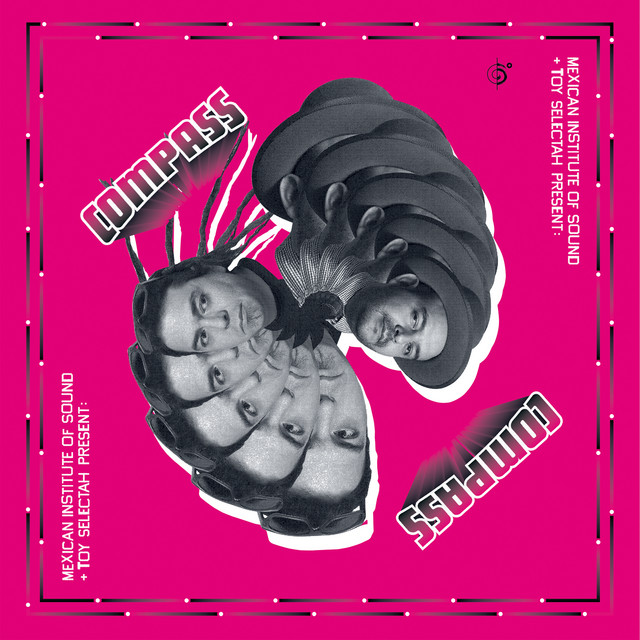
Nu-cumbia is a 21st‑century, electronic reimagining of classic cumbia that blends Colombian and pan–Latin rhythms with contemporary production techniques.

Typically mid‑tempo (about 85–105 BPM), it keeps the genre’s swaying 2/4 groove, guacharaca and hand‑drum patterns, and tumbao‑style bass, while layering hip‑hop sampling, dub delays, filtered synths, and atmospheric sound design. Producers often sample or re-record traditional instrumentation—accordion, gaita flutes, charango, guitar, and percussion—and place it inside modern beat frameworks.

The result feels both rootsy and futuristic: nostalgic melodic motifs and folkloric textures ride alongside punchy kicks, sub‑bass, and detailed FX, making nu‑cumbia equally at home in clubs, headphones, and festival stages.

History

Origins (early–mid 2000s)

Nu‑cumbia emerged as DJs and producers in Buenos Aires and Mexico City began folding classic cumbia—originally from Colombia—into contemporary electronic workflows. They kept the hallmark 2/4 sway and percussion (guacharaca, congas, timbales) but sequenced it with drum machines and samplers, drawing on hip‑hop’s loop logic and dub’s spacious FX.

Blog era & global spread (late 2000s–early 2010s)

Independent club nights and labels (notably the Buenos Aires scene and kindred Mexican collectives) incubated the sound. Music blogs and netlabels amplified it worldwide; the term “nu‑cumbia”/“cumbia digital” circulated through online mixes, MP3 blogs, and compilations, connecting Latin America with Europe and North America. The style cross‑pollinated with global bass scenes, leading to collaborations and remixes that reached new audiences.

Key labels, artists, and aesthetics

A cohort of producers codified the palette: sampled and re‑performed folkloric instruments, dub‑style echoes, minimalist synths, and deep sub‑bass under gently swung cumbia grooves. Albums and EPs presented cumbia as both heritage and canvas for modern beat craft, helping the sound appear at festivals and in boutique electronic circles.

Evolution and hybridization (2010s–present)

Nu‑cumbia diversified into darker, dubbier strains and brighter, pop‑leaning versions. Artists integrated Andean timbres, psych‑folk textures, and cinematic ambience, while others steered toward club‑ready bass music. The sound influenced wider Latin alternative and indie electronic realms, normalizing cumbia’s rhythm as a flexible foundation for modern production.

Today & legacy

Nu‑cumbia now functions as a bridge between traditional Latin American music and contemporary beat culture. It seeded scenes beyond its birthplaces, inspired new producers to revisit regional archives, and helped cement cumbia as a global rhythmic lingua franca.

How to make a track in this genre

Tempo, meter, and groove
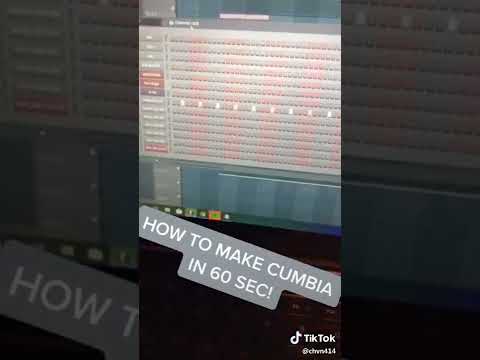
•   Aim for 85–105 BPM in 2/4 (often felt in a laid‑back, half‑time swing). •   Use the cumbia pulse: a steady kick on 1, syncopated snare/clave accents, and a swaying off‑beat feel.
Rhythm section
•   Program or record guacharaca patterns as the shimmer that drives the groove. •   Layer congas/bongos (martillo patterns), cowbell, and timbales for authentic propulsion. •   Build a warm, repeating tumbao‑style bass line with subtle syncopation; let sub‑bass carry the dance energy.
Harmony and melody
•   Favor modal minor (Aeolian/Dorian) or pentatonic motifs for a folkloric color. •   Lead lines can be played by accordion, gaita flutes, charango, nylon‑string guitar, or airy synths. •   Keep harmonic rhythm slow; loop short chord cycles and evolve with arrangement and texture rather than frequent changes.
Sound design & production
•   Combine sample chops of vintage cumbia with clean modern drums; glue them with saturation. •   Use dub techniques—tape‑style delay throws, spring reverb, filtered send/return chains—to create depth and movement. •   Employ tasteful sidechain, low‑pass sweeps, and noise/field recordings (markets, birds, vinyl crackle) for place and atmosphere.
Arrangement & form
•   Intro: establish percussion + texture; tease the bass. •   A/B sections: alternate between melody‑forward passages and drum‑focused drops. •   Breakdowns: strip to percussion and bass, then rebuild with risers and FX. •   Keep interest via mute/unmute phrasing, fills, and evolving percussion layers rather than busy chord changes.
Lyrics & vocals
•   If using vocals, consider Spanish slang or regional storytelling; chantable hooks work well. •   Process vocals with delays and slapback for a dubby, spacey feel.
Performance tips
•   For live sets, trigger stems (percussion, bass, leads) on pads; ride send FX for dub‑style improvisation. •   Blend DJ tools (EQ, filters) with live percussion or melodic instruments to humanize the groove.

Top tracks

Locked
Share your favorite track to unlock other users’ top tracks
Influenced by
Has influenced
Challenges
Digger Battle
Let's see who can find the best track in this genre
© 2025 Melodigging
Melodding was created as a tribute to Every Noise at Once, which inspired us to help curious minds keep digging into music's ever-evolving genres.
Buy me a coffee for Melodigging