Your digging level
Description
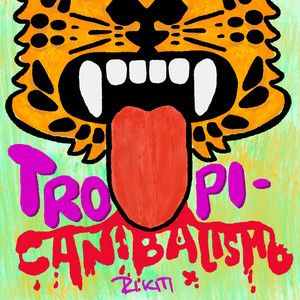
Tropicanibalismo is a Colombian scene and aesthetic that emerged in the early 2000s to reinvent coastal musics such as cumbia, porro, champeta, currulao, and chirimía through a contemporary, experimental lens.
Artists in this movement treat the traditional repertoire as raw material to be “cannibalized”: they splice Afro‑Colombian rhythms with fuzz guitars, Farfisa/organ timbres, dub mixing, tape echo, and left‑field studio techniques. The result moves between sweaty dance‑floor energy and playful, psychedelic collage, while still keeping the hand‑drummed swing and call‑and‑response singing of the Caribbean and Pacific coasts.
Beyond a sound, tropicanibalismo is a DIY, crate‑digging attitude: recover forgotten records and rhythms, filter them through modern electronics and art‑rock sensibilities, and feed them back into Colombia’s urban club and indie circuits.

History
In the late 1990s and early 2000s, Colombian musicians in Bogotá, Medellín, the Caribbean coast, and the Pacific region began re‑listening to their parents’ and grandparents’ records—cumbia, porro, champeta, bullerengue, currulao, and chirimía—alongside Jamaican dub, psychedelic/surf rock, experimental rock, and electronic production. This set the stage for a new urban scene that would reframe coastal traditions with irony, collage, and studio experimentation.
The term “tropicanibalismo” took hold among artists, DJs, and writers to describe an approach that ‘devours’ tropical heritage and recombines it. Early projects began sampling vintage 45s, reharmonizing gaitas and marimba patterns, and running percussion through echo, spring reverb, and lo‑fi pedals. Small venues, artist‑run labels, and independent studios became laboratories for the sound.
Through tours, reissue culture, and collaborations with global beat scenes, the movement’s key bands brought this psychedelic, dub‑tinged tropicalism to international festivals and clubs. Albums mixed analog instruments (gaitas, tambores, marimba de chonta) with organs, fuzz guitars, and modular synths, cementing tropicanibalismo as both a dance and listening phenomenon.
Tropicanibalismo remains less a fixed genre than a practice: research local folk idioms, flip them with experimental arrangement and production, and keep the groove central. New acts continue to mine regional archives while pushing the sound into art‑pop, noise‑cumbia, and electronic hybrids.