Your digging level
Description
Bullerengue is an Afro‑Colombian traditional song‑and‑dance genre from Colombia’s Caribbean coast (Bolívar, Atlántico, Sucre, Córdoba) and the Darién region of Panama. It emerged in Palenques (maroon communities) and has been preserved largely by women elders (cantadoras), who lead songs accompanied by artisan drums.
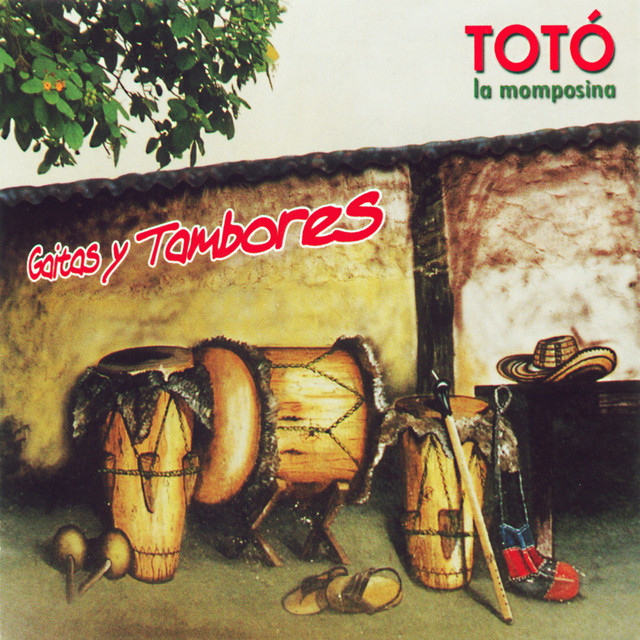
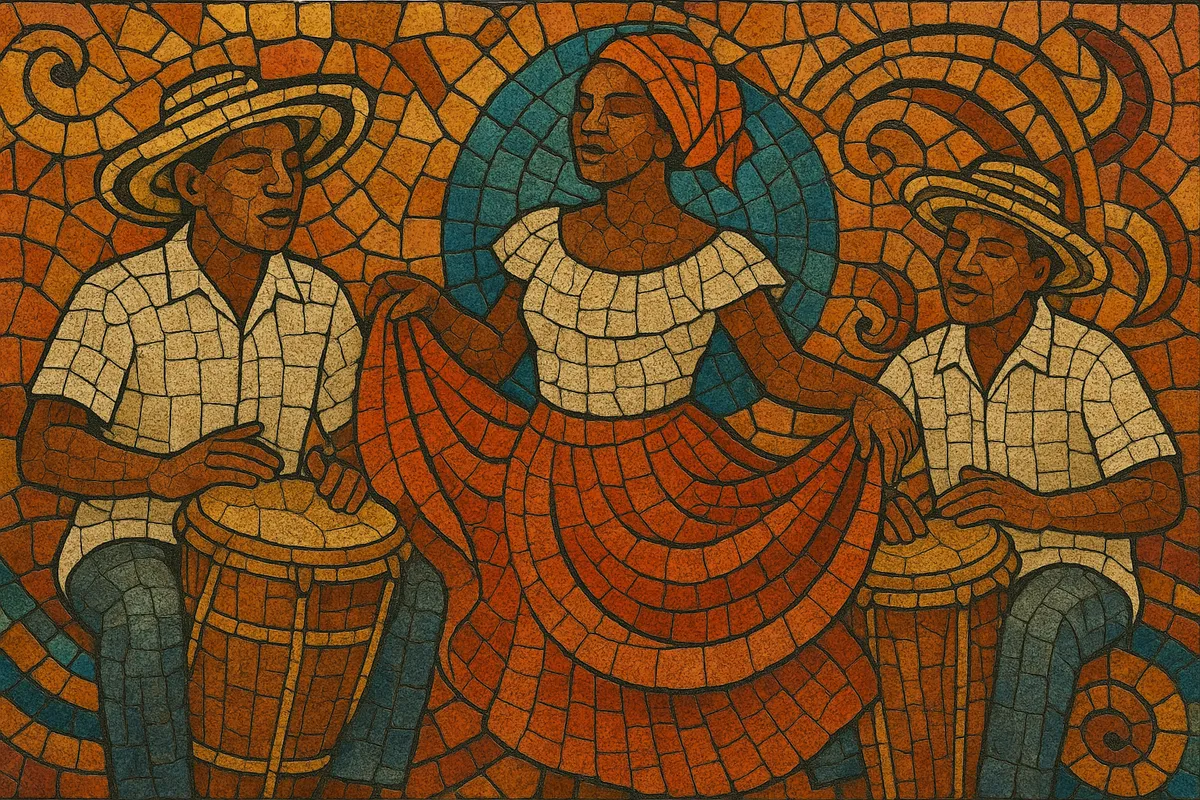
Performances feature a call‑and‑response structure, heavy rhythmic emphasis, and spontaneous lyrical and melodic improvisation. The core ensemble uses three hand‑drums—alegre (soloist drum), llamador (timekeeper), and tambora (bass drum)—along with handclaps, maracas, and communal chorus. Dancers, often in circular formations, accentuate hip motion and skirt work while dialoguing with the drums and chorus.
Several sub‑styles are recognized, including bullerengue sentao (a steadier, grounded feel), bullerengue chalupa (faster and more propulsive), and fandango de lengua (a text‑rich, tongue‑twisting style).
History
Bullerengue took shape between the 17th and 19th centuries within maroon settlements (palenques) on Colombia’s Caribbean coast and in neighboring Darién, Panama. Enslaved Africans and their descendants adapted West and Central African drum practices, antiphonal (call‑and‑response) singing, and communal dance to local contexts, creating a women‑led repertoire that encoded memory, identity, and resistance. The genre’s performance ecology—cantadora, chorus, and drum battery—mirrors African diasporic ring‑shout and work‑song dynamics while rooting itself in coastal lifeworlds.
By the late 19th and early 20th centuries, bullerengue had become a social mainstay for rites of passage, community gatherings, and local festivities. Sub‑styles such as bullerengue sentao and chalupa differentiated tempo, feel, and choreography; fandango de lengua foregrounded rapid‑fire text and verbal wit. Women elders preserved repertory and technique through oral transmission, sustaining stylistic norms for drum timbres, rhythmic ostinatos, and responsorial forms.
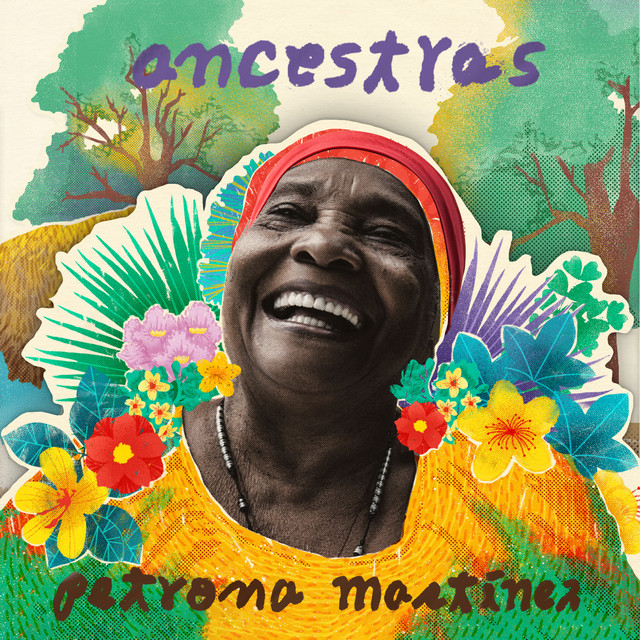
From the mid‑20th century onward, artists and ensembles began recording and touring, bringing bullerengue to national and international attention. Cultural festivals—most notably the Festival Nacional del Bullerengue in Puerto Escondido (Córdoba)—helped formalize pedagogy and transmission beyond family lines. Late‑20th and early‑21st‑century recordings by prominent cantadoras catalyzed new interest among younger musicians, while community schools and heritage initiatives fortified women’s leadership and local instrument making.
Today, bullerengue thrives in community contexts and on global stages. It informs contemporary Colombian roots projects and cross‑genre fusions, yet remains anchored in its traditional matrix: women’s leadership, artisan percussion, communal call‑and‑response, and dance as embodied dialogue with the drums.