Your digging level
Description
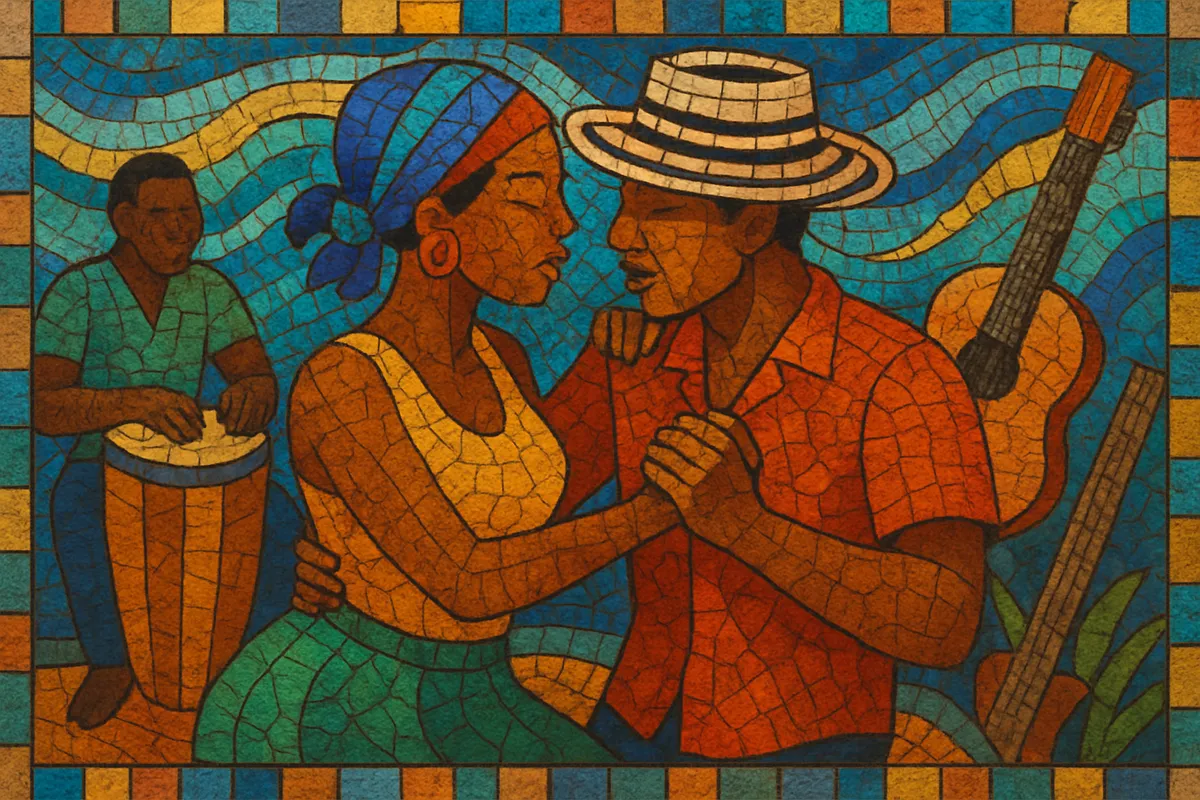
Champeta is an Afro‑Colombian dance music born in the Caribbean coast around Cartagena and Barranquilla, emerging from the picó (sound‑system) culture that blasted imported African LPs at street parties. It translates the kinetic guitar lines and call‑and‑response spirit of Congolese soukous, highlife, and makossa into a distinctly coastal Colombian groove.
Built on bright, interlocking electric‑guitar ostinatos (often in a sebene style), rubbery bass, and hand percussion, champeta favors hypnotic two‑chord vamps, catchy choruses, and playful, often streetwise lyrics delivered in Spanish and, at times, Palenquero. Since the 2000s, the style’s “champeta urbana” wave has folded in drum‑machine kicks, synth hooks, and club sonics while keeping the joyous, communal energy of the picó plaza.

History
Champeta grew out of the Afro‑Colombian picó scene in Cartagena and Barranquilla, where massive sound systems played imported African and Caribbean records. Local DJs and musicians began recreating the electrifying guitar music of Congolese soukous and rumba—especially the fast, cascading sebene sections—blending it with coastal percussion and street party chants. The sound was initially known as “terapia” (therapy), signaling its role as musical release for working‑class neighborhoods.
By the 1990s, champeta crystallized as a scene with its own stars, dances, and aesthetics. While stigmatized by some media as marginal, it became a strong expression of Black coastal identity. Picós like El Rey de Rocha and El Timbalero helped break new singles, and artists such as Charles King, Elio Boom, and Anne Swing (Viviano Torres) defined a local canon with guitar‑driven hits and chantable hooks.
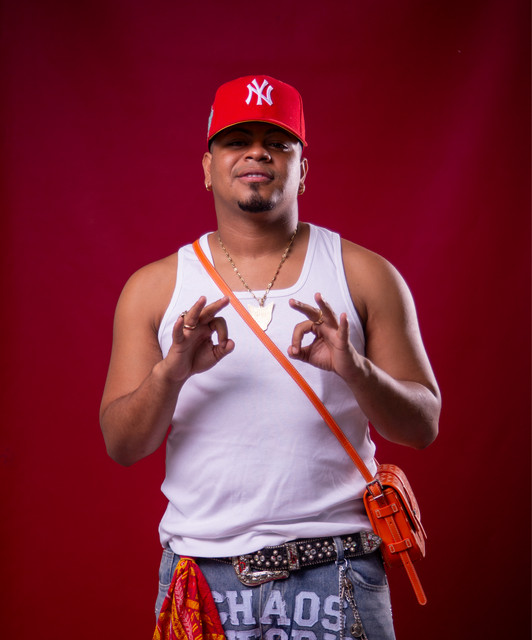
A new wave dubbed “champeta urbana” fused the guitar tradition with 808s, synthetic bass, and club production, paving the way for national hits and collaborations. Artists like Mr. Black, Kevin Flórez, and Twister El Rey pushed the style beyond the coast, while bands such as Bazurto All Stars brought a live, festival‑ready sound. The genre’s rhythmic vocabulary seeped into Colombian pop and urbano, and champeta dance routines gained global visibility through viral performances and stage shows, all while the picó culture remains the scene’s beating heart.