Your digging level

For this genre
0/8
🏆
Sign in, then listen to this genre to level up

Description

Kwassa kwassa is a high-energy soukous dance-music style from the Democratic Republic of the Congo that surged to pan‑African popularity in the late 1980s. It is characterized by interlocking high‑register guitar lines (the sebene), buoyant 4/4 grooves, and call‑and‑response vocals that invite long dance breaks.

The style is inseparable from its namesake dance: a hip‑driven movement with hands following the hips’ arc, performed to an insistent, upbeat pulse. In production, 1980s kwassa kwassa blended classic Congolese rumba instrumentation with drum machines, synths, and punchy studio polish, helping modernize soukous for clubs and diasporic stages.


Sources: Spotify, Wikipedia, Discogs, Rate Your Music, MusicBrainz, and other online sources

History

Origins

Kwassa kwassa emerged in Kinshasa (then Zaire) during the 1980s as a modernized offshoot of Congolese rumba (soukous). Building on the earlier cavacha beat and the long, guitar‑driven sebene sections of 1970s bands like Zaïko Langa Langa, artists sought a sleeker, dance‑forward sound tailored to urban dance floors and the expanding Congolese diaspora.

Breakthrough and the Dance

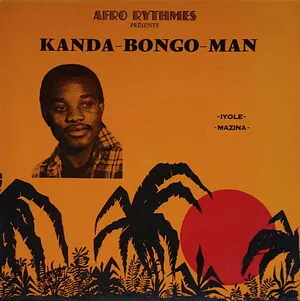
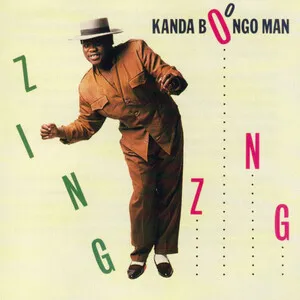
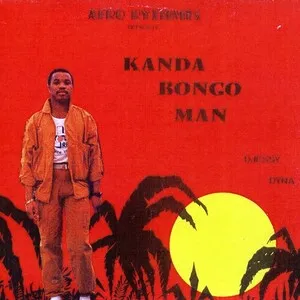
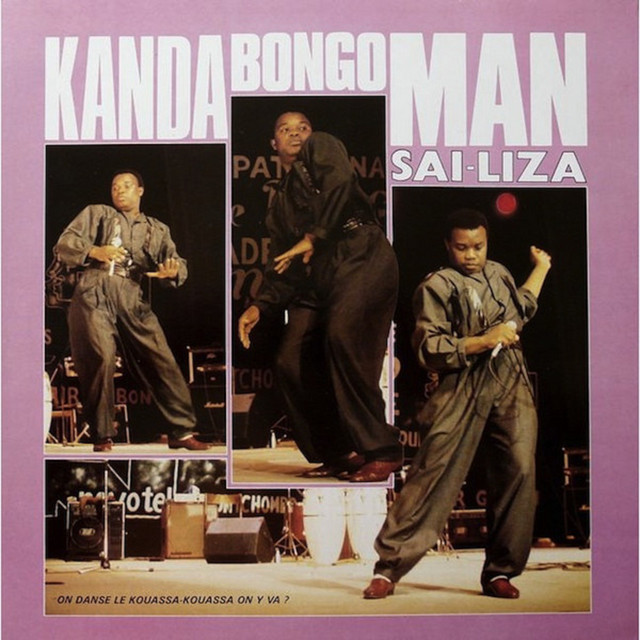
Singer Kanda Bongo Man is widely credited with popularizing both the sound and the dance called “kwassa kwassa,” whose signature involves rotating the hips while the hands trace the hips’ motion. His collaborations with virtuoso guitarist Diblo Dibala showcased rapid, interlocking guitar figures, bright melodies, and streamlined arrangements that left ample space for extended sebenes.

Paris Scene and Continental Spread

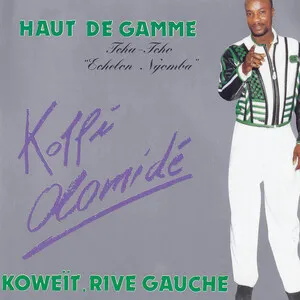
By the late 1980s, Paris had become a production hub for Congolese artists. Groups like Loketo (Aurlus Mabélé, Diblo Dibala) and stars such as Pepe Kallé, Bozi Boziana, Papa Wemba, and Koffi Olomidé helped broadcast kwassa kwassa throughout Central, East, and West Africa. Drum machines, synth brass, and tighter, radio‑friendly forms brought soukous into contemporary pop contexts without sacrificing the genre’s propulsive guitar core.

Legacy and Influence

Kwassa kwassa refreshed soukous and laid a direct foundation for the faster, heavier dance style ndombolo that dominated the 1990s. Its dance vocabulary and bright, cyclical guitar patterns also seeped into other African club styles and informed later pan‑African pop aesthetics.

How to make a track in this genre

Groove and Tempo
•   Aim for an upbeat 4/4 pulse around 120–140 BPM. Keep the backbeat snappy and danceable. •   Use congas, shakers, cowbell, and a crisp snare (or 80s drum machine) to create a bright, forward momentum.
Guitar and Bass (Sebene Focus)
•   Layer two or more high‑tuned electric guitars playing interlocking, cyclical riffs. Favor palm‑muted single‑note lines, arpeggios, and quick melodic ostinati. •   Arrange a long sebene section: gradually add intensity, vary riffs, and trade short licks between lead and rhythm guitars. •   Bass should be steady and melodic, outlining the groove with short, repeating motifs that lock tightly with the kick.
Harmony and Melody
•   Keep harmony simple and sunny (I–IV–V or I–V–vi–IV variants). Major keys and mixolydian flavors work well. •   Melodies should be singable, with call‑and‑response between a lead vocalist and chorus.
Vocals and Lyrics
•   Sing primarily in Lingala (or a mix with French/other regional languages). Themes often celebrate dance, romance, nightlife, community, and praise‑naming. •   Use hooks that can be chanted over the sebene; short refrains help keep dancers engaged.
Arrangement and Production
•   Structure: intro → verse/chorus → extended sebene (instrumental dance break) → refrain/outro. •   Add synth pads or brass stabs sparingly for 80s gloss without masking the guitars. •   A hype voice (atalaku) can punctuate sections with calls, dance cues, and audience interactions.
Performance and Dance
•   Leave space in the arrangement for the kwassa kwassa dance. Signal drops, breaks, and builds so dancers can accent the hip‑and‑hand movements. •   Maintain high energy and clear rhythmic articulation—everything should invite prolonged dancing.

Top tracks

Locked
Share your favorite track to unlock other users’ top tracks
Influenced by
Has influenced
Challenges
Digger Battle
Let's see who can find the best track in this genre
© 2026 Melodigging
Melodding was created as a tribute to Every Noise at Once, which inspired us to help curious minds keep digging into music's ever-evolving genres.
Buy me a coffee for Melodigging