Your digging level
Description
Colombian pop is mainstream Spanish-language pop made in Colombia that blends global pop songwriting with the country’s tropical and Andean rhythms. It typically pairs catchy, radio-friendly hooks with rhythmic flavors from cumbia and vallenato, and—since the 2010s—select elements from reggaeton and urban Latin styles.
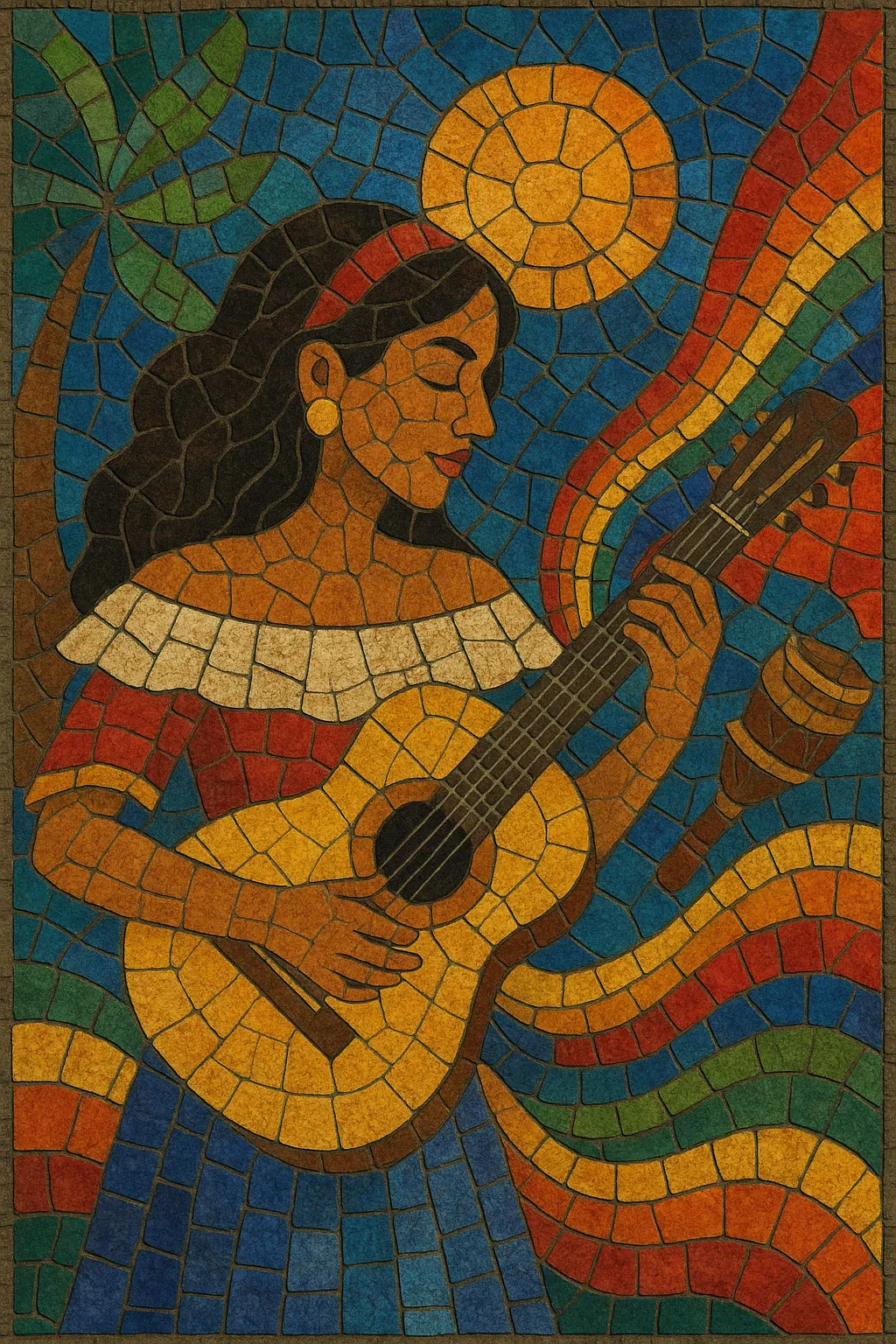
Arrangements often feature polished guitar or piano foundations, layered percussion, and bright synths, while occasional accordion lines, guache, or caja vallenata nod to local tradition. Lyrically, Colombian pop centers on romance, personal growth, and identity, delivered in clear, conversational Spanish (sometimes with English phrases) aimed at broad audiences.
History
Colombian pop coalesced in the 1990s as artists adapted global pop and rock en español to local tastes. While earlier ballads and tropical music dominated the national charts, the international success of Shakira’s mid-1990s albums and Carlos Vives’s fusion of vallenato with pop aesthetics signaled a modern, export-ready Colombian pop identity.
The 2000s saw a surge of artists who cemented a distinct style: Juanes bridged pop and rock with socially conscious and romantic themes; Fonseca and Fanny Lu popularized a light, tropical pop feel that critics later grouped under tropipop; Andrés Cepeda refined a polished, ballad-oriented pop sound. Colombian pop gained consistent airplay across Latin America, Europe, and the U.S. Latin market.
Streaming accelerated collaboration with reggaeton and urbano artists. Acts like Sebastián Yatra and Camilo embraced sleek, midtempo pop with urbano percussion, without abandoning melodic songwriting. Pop acts increasingly issued bilingual singles, remixes, and collaborations, widening the global footprint of Colombian pop while preserving recognizable Colombian rhythmic accents.
Colombian pop continues to thrive as a flexible, hook-driven style. Bands like Morat carry an acoustic-pop and folk-pop thread, while solo artists blend pop with regional, urban, and electronic textures. High production values, international songwriting camps, and cross-genre features keep Colombian pop prominent on global playlists.