Your digging level
Description
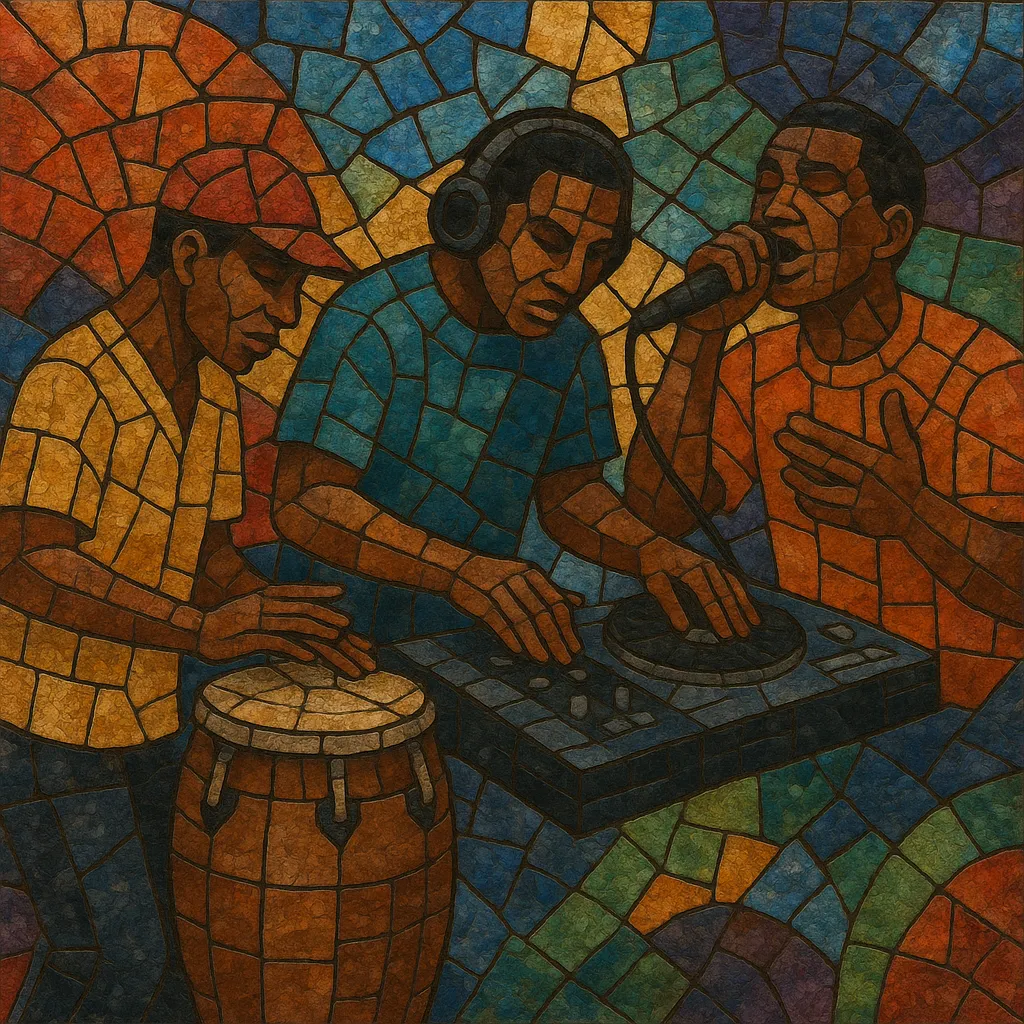
Merenhouse (also called merenrap, electronic merengue, or mambo/mambo de calle in some contexts) is a hybrid dance style that fuses Dominican merengue with house, hip hop, and dancehall. It keeps merengue’s brisk two-beat feel and percussion colors (güira and tambora), but places them over a four‑on‑the‑floor house pulse, adds sampled breaks, rap verses, and dancehall toasts.
The style took shape among Dominican and broader Caribbean diasporic communities in New York City in the late 1980s and blossomed in the 1990s club era. Bright synth hooks, driving bass lines, and chantable call‑and‑response choruses made merenhouse a crossover club staple that moved easily between Latin radio, hip hop programs, and mainstream dance floors.


History
Merenhouse emerged in New York City as DJs, producers, and Dominican musicians began blending the nonstop drive of merengue with house’s four‑on‑the‑floor and the MC‑driven aesthetics of hip hop and dancehall. Early Latin club and freestyle scenes, alongside Latin house, provided the template for dropping güira and tambora textures into drum‑machine grids and for inserting rap verses into Spanish‑language dance tracks.
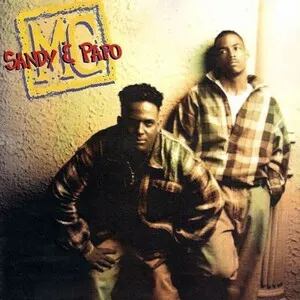
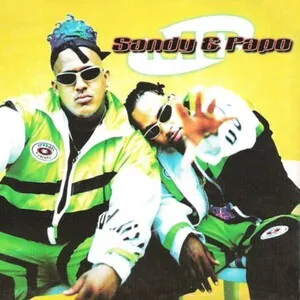
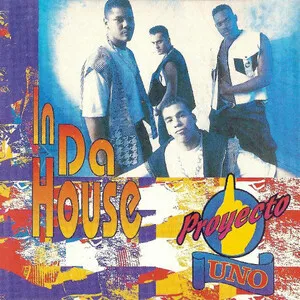
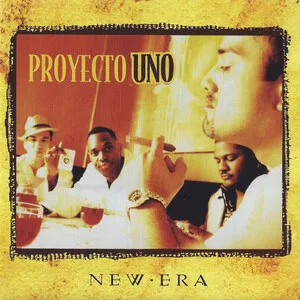
The 1990s saw commercial lift‑off with acts such as Proyecto Uno, Sandy & Papo MC, Ilegales, and later Fulanito. Signature hits like Proyecto Uno’s “El Tiburón,” Sandy & Papo’s “El Mueve Mueve,” Ilegales’ “Fiesta Caliente,” and Fulanito’s “Guayando” crystallized the sound: swift merengue rhythms, house kicks, hip hop flows, and irresistible hooks. Parallel terms like “techno‑merengue” circulated, but merenhouse/merenrap emphasized the explicit integration of rapping and urban club production.
By the 2000s, the sound fed into Dominican merengue urbano (often called mambo de calle) and helped normalize urban vocal delivery in Latin dance music. It also dovetailed with—and influenced—reggaeton’s club‑readiness, given their shared New York and Caribbean circuits. While reggaeton and dembow later dominated youth markets, merenhouse remains a foundational bridge between traditional merengue and contemporary Latin club hybrids. Periodic revivals, sample‑based homages, and DJ edits keep its 90s energy alive in global Latin and open‑format sets.